Introduction
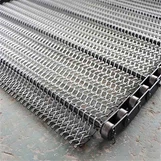
Food conveyor belts are core components of automated production lines in the food industry, specifically designed for the safe transport of food to processing, packaging, and inspection stages. These conveyor belts must meet stringent hygiene standards to prevent contamination, withstand frequent cleaning, and handle various types of food (raw, cooked, frozen, etc.). Thickness can be customized according to customer requirements, with specifications of 0.8mm/0.9mm/1.0mm/1.2mm/1.35mm/1.5mm/2.0mm/3.0mm.
Specification
|
Structure |
Thickness(mm) |
Weight(kg/m2) |
Tensile strength(N/mm) |
Minimum pulley (mm) |
|
1glue1fabric |
0.8 |
0.7 |
≧50 |
10 |
|
1glue1fabric |
1.0 |
1.3 |
≧50 |
10 |
|
1glue1fabric |
1.2 |
1.5 |
≧50 |
20 |
|
1glue1fabric |
1.4 |
1.6 |
≧100 |
20 |
|
1glue2fabric |
1.5 |
1.8 |
≧100 |
20 |
|
1glue2fabric |
2.0 |
3 |
≧100 |
30 |
|
3glue3fabric |
3.0 |
3.7 |
≧140 |
60 |


Structural Forms
1. Flat Belt: General purpose; with skirts and guide strips to prevent side leakage or deviation.
2. Patterned Belt (Diamond, Herringbone, Grass): Increases climbing ability and anti-slip capability; suitable for fruit and vegetable/seafood sorting.
3. Baffle/Skirt Belt: For conveying powders and small packaged snacks at large angles.
4. Integrated Skirt/Baffle and Divider: Used for quantitative feeding and elevator sections.
Advantage
1. Improved Efficiency:
Food conveyors increase the speed and efficiency of food production lines, allowing products to be seamlessly transported from one station to the next, reducing manual labor.
2. Consistency:
These conveyors provide consistent speed and movement, ensuring uniform handling and packaging of food.
3. Reduced Contamination:
By using food-grade materials and sanitary design, food conveyors reduce the risk of contamination and spoilage, ensuring higher product quality.
4. Customization:
The length, width, and surface design of these belts can be customized to meet the specific needs of different food processing operations.
5. Durability:
They are designed to handle various types of food, including those that are heavy, sticky, or require delicate handling, while maintaining long-term durability.
Maintenance and sanitation standards
1. Daily cleaning
Wipe with warm water + food-grade detergent, and avoid using sharp tools such as steel wool to damage the surface.
Grease residues need to be removed promptly with alkaline detergents (such as dilute sodium hydroxide solution) to prevent bacterial growth.
2. Regular inspections
Check whether the conveyor belt surface is worn, cracked or degummed, especially at the joints (prone to break due to tension).
Measure whether the tension is appropriate. Too loose will cause slippage, and too tight will accelerate aging.
3. Disinfection
Food processing workshops need to be disinfected regularly with ultraviolet rays, ozone or disinfectants (such as sodium hypochlorite). Silicone and Teflon materials have better corrosion resistance.
4. Storage requirements
Store in a dry, dark place to avoid contact with chemicals. When rolled up for storage, the inner diameter should not be less than 20 times the thickness of the conveyor belt to prevent permanent deformation.
Hot Tags: food conveyor belt, China, manufacturers, suppliers, factory, customized, wholesale, buy, price, food sterile belt, belt used in food factories, belt for food industry warehouses, food waste reduction belt, belt for food industry testing, belt for food industry efficiency standards