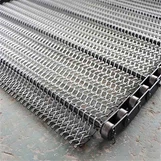
Anti-static Conveyor Belt are special industrial conveyor belts specifically designed to prevent static electricity buildup. They safely release static electricity generated during transport through conductive or static-dissipating materials, preventing electrostatic discharge (ESD) damage to products or safety hazards.


Feature
1. The anti-static conveyor belt has the advantages of high strength, light weight, wear resistance, colorful and beautiful, non-toxic and tasteless, anti-static, small stretch, long service life and low resistance.
2. It can be divided into flat anti-static conveyor belt and pattern anti-static conveyor belt.
3.The pattern anti-static conveyor belt is suitable for the transportation of bulk and bagged materials at an inclination angle of 0°-45° to prevent materials from falling and improve transportation performance.
Application Scenarios
1. Electronics and Semiconductors: SMT placement lines, PCB board conveying, chip testing and packaging.
2. New Energy: Lithium battery electrode coating, rolling, slitting, winding, and module assembly throughout the entire process.
3. Plastics and Printing: Plastic granule conveying, injection molded product unloading, and printing paper transport.
4. Food and Pharmaceuticals: Packaging of powders such as milk powder and flour; counting and filling of tablets/capsules.
5. Industrial Manufacturing: Automotive parts painting lines; packaging of flammable chemicals.
Maintenance and Use
1. Proper Grounding: Ensure that metal components such as the conveyor belt support and drive rollers are properly grounded, forming a complete electrostatic discharge path.
2. Regular Inspection: Regularly check the resistance value of key points on the belt using a surface resistance tester to ensure it remains within safe limits.
3. Professional Cleaning: Use recommended cleaning agents and tools. Avoid using flammable solvents or chemicals that may damage the conductive layer of the belt.
4. Timely Replacement: Replace the belt immediately when it shows severe wear, cracks, or excessive resistance.
Selection Guide
1. Determine ESD Sensitivity: Select surface resistivity (10⁶–10⁹ Ω) based on ESD requirements.
2. Assess Load and Environment: Select materials (PVC/PU/NBR) based on abrasion resistance, oil resistance, or temperature resistance.
3. Determine Conveying Needs: Smooth surfaces are suitable for flat conveying; baffled surfaces are suitable for handling inclined bulk materials.
4. Verify Compliance: Ensure compliance with industry standards (ESD, FDA, food safety).
Hot Tags: anti-static conveyor belt, China, manufacturers, suppliers, factory, customized, wholesale, buy, price, adjustable light industry belt, cold resistant light industry belt, belt for workshop, belt for electronics packaging machine, industrial belts for telecommunication industry, black light industry belt