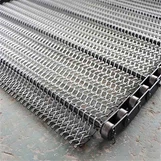
The Polyester Cotton Conveyor Belt is a general-purpose industrial conveyor belt using a blend of polyester and cotton fibers as its reinforcing material. It combines the high strength and low elongation of polyester fibers with the softness, skin-friendliness, and high coefficient of friction of cotton fibers, creating a conveyor belt with excellent balanced performance suitable for medium to heavy-duty material handling in various industries. It is a key component for the continuous conveying of bulk materials, finished products, and semi-finished products, ensuring efficient, stable, and economical operation of production lines, logistics centers, and processing plants.
Feature
1. Softness and elasticity: The polyester-cotton conveyor belt has good softness and elasticity while maintaining strength because of the blend of polyester and cotton fibers.
2. High tensile strength and resistance to wear: Polyester materials can bear heavy loads and have a high tensile strength.
3. Anti-slip performance: The polyester-cotton conveyor belt's surface often has some friction, which helps to keep things from sliding and increase their stability.
4. Resistance to chemical corrosion and high temperatures: Polyester fibers can tolerate high temperatures and have some heat resistance.
5. Protection of the environment: The polyester-cotton conveyor belt uses a blend of synthetic polyester and natural cotton fibers, which not only guarantees its strength and durability but also offers some environmental protection.
6. Good anti-aging performance: The polyester component's anti-ultraviolet and anti-aging properties allow the polyester-cotton conveyor belt to continue operating well over an extended period of time, particularly when outside or exposed to sunlight.
Advantage
1. Better performance: Because of its structural qualities, the Polyester Cotton Conveyor Belt performs better, uses less energy and consumes less, and benefits users economically.
2. High adaptability: It can move bulk materials or completed goods over medium to short distances and with medium loads, including coal, coke, sand, gravel, cement, and other materials.
3. operating temperature range: To accommodate various use situations, the polyester cotton conveyor belt's operating temperature typically ranges from -10°C to 60°C.
4. Various types: To satisfy various industrial needs, Polyester Cotton Conveyor Belt comes in a variety of special types, including those that are resistant to oil, acid and alkali, cold, and static electricity.
5. Cost-effective: Polyester Cotton Conveyor Belts are reasonably priced and offer exceptional value for money.
Application Areas
1. Food Industry: Conveying fruits, vegetables, meat, and packaged foods.
2. Fertilizer and Mining Industry: Conveying ores, fertilizers, and other materials.
3. Mechanical Assembly: Suitable for material handling of light components or assembly lines.
4. Packaging Industry: Conveying or assembling packaging materials.
Maintenance and care
1. Frequent cleaning: Particularly in the food business, clean the conveyor belt frequently to get rid of dirt and residue. The chance of contamination can be decreased by keeping it clean.
When cleaning, use gentle brushes and the proper detergents; stay away from using chemical detergents that are too harsh.
2. Examine wear and tear: To guarantee the efficiency of the polyester-cotton conveyor belt, check its wear and tear on a regular basis, particularly when it is subjected to high loads and frequent operations. Replace any worn portions as soon as possible.
3. Tension adjustment: To make sure the conveyor belt is operating within the proper tension range, check its tension on a regular basis.
4. Prevent overloading: To prevent damage or deterioration of the conveyor belt's performance as a result of overloading, do not exceed the belt's load capacity.
5. Storage and transportation: To avoid prolonged exposure to unfavorable conditions that could age the material, keep polyester-cotton conveyor belts out of direct sunlight, high temperatures, and humid conditions.
6. Regular lubrication: If the conveyor belt has drive systems or rollers, lubricating these parts on a regular basis helps prevent wear and maintain smooth operation.
Selection Considerations
1. Conveyed Material: The characteristics of the material (abrasiveness, acidity/alkalinity, oiliness, temperature) determine the type of cover rubber.
2. Load and Tension: Select the appropriate canvas strength grade (e.g., P/C-80, P/C-100, etc.) based on the conveying capacity and belt tension.
3. Working Environment: Are there any special environmental requirements such as humidity, high temperature, flammability, or explosiveness?
4. Conveyor Structure: The roller diameter, idler roller trough angle, etc., affect the minimum number of fabric layers and troughing properties of the conveyor belt.
5. Regulatory Requirements: In industries such as food and pharmaceuticals, food-grade conveyor belts that comply with FDA, USDA, and other standards must be selected.
Hot Tags: polyester cotton conveyor belt, China, manufacturers, suppliers, factory, customized, wholesale, buy, price, printed light industry belt, light industry conveyor belt, belt for transportation industry, belt for printing press, light industry belt for factory floor, industrial belts for school equipment