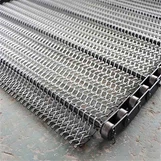
Shaped conveyor belts are a type of conveyor belt that adapts its cross-sectional shape or surface structure to meet specific material, space, or process requirements. Shaped conveyor belts employ special surface, edge, shape, or structural designs to transport special materials or meet the needs of specific working environments. Common "shapes" include U-shapes, herringbone patterns, V-shapes (chevrons), troughed shapes, cleated shapes, and enclosed tubular shapes, each offering advantages in handling bulk materials, packaged goods, and scenarios with steep inclines or bends.
Structure and Materials
1. Core: Multi-layer polyester/nylon EP canvas, steel cord core, or aramid, providing tensile strength and troughing properties;
2. Cover Rubber: NR, SBR, NBR, EPDM, or PU selected based on requirements for abrasion resistance, oil resistance, heat resistance, and chemical corrosion resistance;
3. Surface Shape: Molded or double-vulcanized integral molding, ensuring that patterns/baffles do not fall off under high loads and repeated bending;
4. Bottom Surface: Can be fitted with low-friction impregnated fabric or guide strips, suitable for slide beds or small roller conveyors.
Technical Parameters
1. Belt Width: Different widths are available to suit the dimensions of the conveyed items.
2. Speed: Adjustable conveyor belt speed to meet production line requirements.
3. Material: Typically made of durable materials such as polyvinyl chloride (PVC), polyester (PE), and polyurethane (PU).
4. Temperature Range: Adaptable to various operating temperatures, typically withstanding temperature variations from -20°C to +80°C.
Feature
1. Variety: There are numerous types of Shape Conveyor Belt, such as PE conveyor belts, plastic chain conveyor belts, modular mesh conveyor belts, polypropylene conveyor belts, nylon conveyor belts, Teflon conveyor belts, stainless steel conveyor belts, and so on.
2. Special features: Some Shape Conveyor Belts have anti-slip, oil-proof, acid-alkali-proof, heat-proof, cold-proof, flame-proof, moisture-proof, and other features to help them adapt to various industrial settings and material properties.
3. Adaptability: Shape Conveyor Belt is adaptable to a variety of conveying methods, including plane conveying, inclined conveying, and curved conveying, demonstrating strong adaptivity and flexibility.
4. Durability: It is typically built of high-strength, wear-resistant, and corrosion-resistant materials that can sustain long-term and heavy-duty use.
Application
1. Food and beverage processing: PE conveyor belts are commonly used in the food and beverage processing industry due to its wear resistance, oil resistance, non-toxic cleanliness, and ease of cleaning.
2. Plastic chain conveyor belts are used in the pharmaceutical, packaging, daily chemical, and automotive industries due to their high strength and corrosion resistance, wide temperature range, anti-stickiness and ease of cleaning, good mechanical properties and stability, low noise, and other benefits.
3. Chemical, metallurgical, food processing, and other industries: Oil-proof conveyor belts are employed in situations where oily materials must be carried due to their high oil resistance.
4. Coal mines, mines, cement mills, ports, and logistics parks employ climbing conveyor belts to transfer products across steep terrain.
Selection Considerations
1. Material Characteristics: Particle size, moisture content, abrasiveness, temperature;
2. Inclination Angle and Conveying Capacity: Determines pattern shape, height, or baffle spacing;
3. Space and Turning Radius: U-shaped/tubular belts can replace multiple traditional belt conveyors, reducing transfer points;
4. Cleaning and Maintenance: Enclosed U-shaped or tubular structures reduce return material, lowering cleaning workload;
5. Environmental Protection and Safety: Dustproof, rainproof, and crosswindproof, meeting increasingly stringent environmental regulations.
Maintenance and Care
1. Clean and disinfect Shape Conveyor Belts on a regular basis, especially in food and pharmaceutical companies, to prevent bacteria and pollutants from accumulating.
2. Regularly inspect conveyor belts for wear and cracks. Replace broken portions promptly to maintain efficient conveyance and safety.
3. Maintain conveyor belt tension and alignment: Regularly adjust pulleys, guide rails, and other components to prevent deviation and loss.
4. Check the drive system: Ensure smooth operation of the conveyance system by regularly inspecting components including transmission, motor, and chain.
Hot Tags: shape conveyor belt, China, manufacturers, suppliers, factory, customized, wholesale, buy, price, light industry belt for amusement park, industrial belts for hotel products packaging machine, belt for electronics packaging machine, industrial belts for wood parts packaging machine, belt for telecommunication products packaging machine, light industry belt for hospital equipment