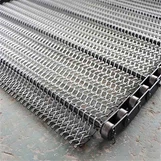
Typically seen in industrial production lines or logistics systems, a small conveyor belt is a mechanical device used to move goods. Typically composed of rubber, plastic, or metal, this portable conveyor belt is foldable and retractable for convenient handling and storage. The small conveyor belt is easy to use and has a straightforward design. Typically powered by an electric motor, it can move objects steadily and constantly.
Feature
1. Compact Size: Small conveyor belts are perfect for settings where huge, industrial-grade conveyor belts are unsuitable because they are made to fit into smaller places.
2. Lightweight and Flexible: Compared to huge conveyor belts, these belts are usually lighter, providing more portability and flexibility.
3. Material Handling: Usually, they are employed to manage goods, packages, small pieces, or components.
4. Energy Efficiency: Compared to larger systems, small conveyor belts usually use less power.
5. Smooth, Reliable Transport: Small conveyor belts are made to move goods in a smooth, dependable manner, which is particularly crucial in applications like assembly lines and packing where accuracy is essential.
Installation points
1. Make sure the installation location is dry and level before beginning any tiny conveyor belt installation. A conveyor belt can easily veer off course while in use if the axes of the rollers or pulleys are not parallel when installed.
2. Select a tensioning device that is appropriate for the conveyor belt's size and kind. Gravity tensioning devices or spiral tensioning devices are typically utilized for tiny conveyor belts. There should be a considerable amount of stress. A conveyor belt that is too tight will wear down more quickly and put more strain on the motor; a belt that is too loose will slip and reduce conveying efficiency.
Maintenance measures
1. Check the conveyor belt's surface wear on a regular basis. Repair or replace it as soon as possible if surface wear, scratches, or other damage are discovered.
2. An essential component of tiny conveyor belt maintenance is cleaning. Food-grade detergents should be used for routine cleaning of conveyor belts in the food industry; for industrial conveyor belts, the right detergents should be chosen based on the kind of impurities present.
3. Examine the conveyor belt's transmission components, including the pulleys and rollers. Make that there is no jamming and that they rotate freely. To guarantee the conveyor belt operates normally, the roller or pulley bearings should be replaced as soon as possible if they are discovered to be worn out.
Points of installation
Hot Tags: small conveyor belt, China, manufacturers, suppliers, factory, customized, wholesale, buy, price, industrial belts for woodworking industry, industrial belts for warehouse aisle, opaque light industry belt, biodegradable light industry belt, european light industry belt, belt for sorting machine