Introduction
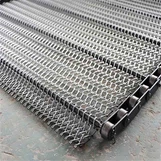
PVC Diamond Pattern Conveyor Belts are lightweight conveyor belts with a high-strength polyester fiber fabric skeleton, a PVC covering layer, and a raised diamond pattern molded or rolled onto the surface. This PVC diamond-patterned conveyor belt combines the wear-resistant and acid/alkali-resistant properties of PVC with the anti-slip and resistance-enhancing advantages of its diamond pattern. It is widely used in various lightweight material conveying applications, especially suitable for conditions requiring inclined conveying or where materials are prone to slipping, effectively improving conveying stability and efficiency.
Detail shows


Specification
|
Color |
white |
Figure |
diamond |
|
Total thickness (mm) |
2.0 |
Construction |
pu |
|
Surface coating hardness (Shore A) |
75 |
Minimum drum diameter (mm) |
50 |
|
Force on 1% extension (N/mm) |
12 |
Lateral stability |
yes |
|
Production width (mm) |
3000 |
Tensile strength (N/mm) |
≥160 |
|
Number of plies |
4 |
Low noise |
no |
|
Total weight (Kg/M2) |
2 |
Working temperature (℃) |
-10-+80 |
Core Structure and Materials
Carrier Layer: High-strength polyester fiber (polyester) fabric. Provides excellent dimensional stability and tensile strength, and is not easily elongated.
Cover Layer: Soft PVC composite material. Offers good abrasion resistance, oil resistance, moderate acid and alkali resistance, and flexibility.
Pattern: Made of homogeneous PVC material, molded simultaneously with the cover layer through vulcanization or hot pressing. The pattern is firmly bonded to the base strip and is not easily detached.
Bottom: Typically a smooth PVC layer, ensuring good contact with the idler rollers and low-friction operation.
Feature
1. High friction: The diamond pattern design increases friction on the conveyor belt surface, reducing material sliding and allowing things to be fixed and conveyed more effectively. It is very useful for expressing situations with slanted angles or steep slopes.
2. Strong wear resistance: PVC (polyvinyl chloride) material has good wear resistance, making it appropriate for long-term operation and effectively extending the conveyor belt's service life.
3. Corrosion resistance: PVC material is resistant to a wide range of chemicals, making it ideal for material transportation in situations containing acids, alkalis, or oils.
4. Easy to clean: The white PVC material is reasonably smooth and simple to clean. It is very useful in the food processing industry to prevent dirt residue.
5. Moderate temperature resistance: White PVC material has strong mechanical capabilities at ambient temperature, but it may soften in high temperature environments (over 60°C), so it should be used with caution in high temperature applications.
Maintenance and Care
1. Conduct regular inspections of the conveyor belt's surface, joints, and drive parts to ensure that there are no cracks, wear, or damage.
2. Cleaning and maintenance: White PVC conveyor belts are typically used in industries with stringent hygiene standards, such as food processing, so they must be cleaned on a regular basis to remove surface stains, grease, and so on. When cleaning, use a light detergent and a soft brush; avoid using extremely caustic substances.
3. Avoid overload: The conveyor belt's rated load should not be exceeded. Overloading the belt body might result in deformation, increased wear, or damage. Materials should be distributed reasonably to ensure a uniform load.
4. Prevent slippage: If the conveyor belt slides, increase the load or adjust the tension to ensure that the material is transported smoothly.
5. Avoid high temperature environments: Avoid exposing PVC conveyor belts to high temperatures for extended periods of time, especially if they exceed their temperature resistance range.
6. Lubricate the drive part: To ensure smooth operation and decrease friction wear, regularly inspect and lubricate the conveyor belt's driving part and roller.
Application Areas
1. Food Industry:
Suitable for raw material conveying, packaging, and sorting systems in food processing plants, ensuring stable material movement and meeting hygiene requirements.
2. Logistics and Transportation:
In logistics distribution centers, especially in inclined conveyor systems, it effectively prevents goods from slipping and improves transportation efficiency.
3. Chemical Industry:
Due to the chemical corrosion resistance of PVC, this conveyor belt can be used in the transportation of chemicals, making it particularly suitable for industries with special environmental requirements.
4. Mining and Construction Industry:
Used for conveying bulk materials such as ores and sand, its wear resistance and anti-slip properties are key advantages.
Selection and Installation Recommendations
1. Define Requirements: Determine the maximum conveying angle, material type (bulk/packaged), weight, dimensions, and environmental conditions (humidity, temperature, presence of oil contamination), etc.
2. Calculate Tension: Calculate the required tensile strength (number of fabric layers) of the belt based on the load, length, and speed.
3. Select Pattern: Large and deep patterns are suitable for heavy loads and high inclination angles; fine patterns are suitable for small items and better smoothness.
4. Jointing Method: Hot-melt splicing (seamless joint) is recommended, as it offers high strength and smooth operation. Steel buckle joints can also be used, but this will reduce the continuous anti-slip performance of the patterned belt and generate noise.
5. Installation and Maintenance: Ensure the drive roller has sufficient wrap angle and tension; regularly clean the grooves to prevent foreign objects from clogging; check the joints and edges for wear.
Hot Tags: Pvc Diamond Pattern Conveyor Belt, China, manufacturers, suppliers, factory, customized, wholesale, buy, price, industrial belts for hotel products packaging machine, light industry belt for power generation, belt for broadcasting industry, light industry belt for jewelry making, export light industry belt, industrial belts for waste management