Introduction
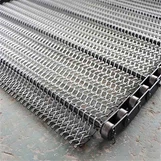
Tortilla Conveyor Belt is a dedicated food-grade conveyor system, woven with premium Kevlar and fiberglass yarns, coated with the finest PTFE resins, and adopt multiple drying processes used by various industries, with hygienic, non-stick properties, high temperature resistance, and gentle handling to maintain product integrity characteristics.


Feature
1. Strong oil resistance and anti-aging properties;
2. Cutting resistance, high surface hardness;
3. Anti-sticking, temperature resistance, edge sealing.
Video display
Product Structure
1. Skeleton Material: High-density alkali-free fiberglass cloth, with good tensile strength, wrinkle resistance, and thermal stability.
2. Surface Coating: Food-grade PTFE (Teflon), thickness optional (0.18-0.30 mm), non-toxic and odorless, compliant with FDA/LFGB.
3. Reinforced Version: Can be laminated with PTFE film or Kevlar fiber, improving resistance to grease penetration and transverse tear strength, increasing lifespan by up to 300%.
Product Advantages
1. Non-stick: Corn tortillas have a high oil content, making ordinary belts prone to sticking and breakage; the PTFE surface ensures a finished product integrity rate of >99.5%, reducing waste.
2. Easy to clean: Rinses clean with water or neutral detergent in 30 seconds, no need to stop the machine for disassembly and cleaning, improving OEE by over 15%.
3. Long lifespan: Standard fiberglass belts last 6-12 months, while reinforced laminated belts can last 18-24 months, reducing unit cost by 30%.
4. Seamless/sealed options: Offers various splicing methods including seamless loop belts, bullnose joints, and Kevlar sealing, avoiding the indentations of traditional steel buckles.
5. Personalized customization: Can be precisely weighted, thicknessed, and color-matched according to the customer's equipment roller diameter, center distance, and tension system.
Application Sections
1. Hot Pressing: Working in conjunction with upper and lower heating plates, the dough is pressed into thin sheets within 0.8-1.2 seconds, resulting in a smooth surface without mesh marks or sticking.
2. Tunnel Baking: Continuous operation within a 220℃ tunnel oven ensures the corn cakes remain evenly puffed and golden brown without deformation or deviation.
3. Cooling/Counting Stacking: Utilizing either an open mesh belt or a closed flat belt, rapid cooling allows for direct entry into the automatic counting stacker.
Maintenance and care
1. Regular cleaning: After use, the dough residue, grease and other dirt on the conveyor belt should be cleaned in time. Mild detergent and soft brush can be used for cleaning, and sharp tools should be avoided to scratch the surface of the conveyor belt.
2. Check the tension: Check the tension of the conveyor belt regularly to ensure that its tension is moderate. If the tension is too large, it will increase the wear of the conveyor belt and the load of the motor; if the tension is too small, it may cause the conveyor belt to slip and affect normal operation.
3. Lubricate parts: Regularly lubricate the drive wheel, roller and other parts of the conveyor belt. Food-grade lubricants can be used to reduce friction between parts and extend the service life of the equipment.
4. Check wear: Check the wear of the conveyor belt frequently, especially the edges and joints. If wear, cracks or deformation are found, the conveyor belt should be replaced or repaired in time to prevent the fault from expanding.
Selection and Installation Considerations
1. Process Matching: The interface dimensions of the upstream equipment (tablet press model/outlet height) and downstream equipment (oven type/inlet height) must be clearly defined.
2. Space Planning: Ensure sufficient linear installation space and reserve maintenance access.
3. Cleaning Requirements: Based on hygiene requirements, choose an open rack (easy to thoroughly clean) or a closed rack (better dust protection).
4. Supplier Support: Select a professional equipment supplier that can provide customized design, installation guidance, and reliable after-sales service.
Hot Tags: tortilla conveyor belt, China, manufacturers, suppliers, factory, customized, wholesale, buy, price, belt for food industry upgrade, belt for food inspection, belt for food industry composting standards, belt for food waste recycling process belt, belt for food industry energy efficiency standards, belt for food waste compaction