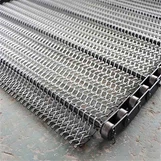
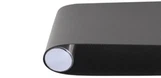
The paper feeder belt is a core transmission component in printing presses, collators, and office automation equipment, responsible for continuously and smoothly feeding stacks of paper to the next station without scratches. It is typically mounted on the paper feed rollers or feed rollers, relying on the friction of its surface to separate the top layer of paper from the stack and feed it into the equipment. The mainstream structure is a seamless nylon base belt with a high-friction, abrasion-resistant coating, and its circumference, width, and surface pattern can be customized to meet equipment requirements.
Feature
1. Paper separation and delivery: The stacked paper is separated and transported to the paper feeder board one by one through a separation mechanism (such as a feeder).
2. Continuous transmission: The friction and mechanical transmission are used to ensure that the paper does not deviate or jam during the transportation process.
3. Precise positioning: Cooperate with the front gauge and control system to ensure the accuracy of the paper reaching the printing position.
Structural composition and working principle
The paper feeder belt is usually composed of the following components:
1. Conveyor belt: As a load-bearing and traction component, the material is mostly rubber, polyester, or cotton webbing.
2. Drive roller: Driven by a motor, it drives the conveyor belt to circulate.
3. Roller and tensioning device: Support the conveyor belt and adjust the tightness to prevent slipping or sagging.
4. Air pump system (some models): assists paper separation and paper deceleration.
Working principle
When the drive roller rotates, the conveyor belt is driven by friction, and the paper is transported forward under the joint action of the paper pressing wheel and the conveyor belt, and finally reaches the positioning component.
Detail show


Application
1. Printing Industry: Used in the paper feed system of printing presses, ensuring smooth paper feed into the press.
2. Packaging Industry: Used for paper conveyance in the production of packaging products such as cartons and paper bags.
3. Office Equipment: Used for automatic paper feeding in office equipment such as copiers and printers.
Selection and Maintenance Points
1. Confirm the circumference, width, and thickness according to the machine's original model. For upgrades and speed increases, prioritize "anti-glare blue surface" or CELLFLEX coating.
2. During installation, keep the two pulleys parallel. The tension should be "1 mm below the belt thickness." Excessive tension will accelerate surface cracking.
3. Gently wipe the surface with an alcohol-soaked non-woven cloth to remove paper dust after each shift. Avoid benzene-based solvents to prevent PVC or rubber from swelling and losing friction.
4. Store in a cool, dry place. Avoid bending radii less than 20 mm above the belt thickness to prevent permanent deformation of the base belt.
Common Problems and Solutions
1. Paper Jams: Over time, wear and tear on the feed belt can cause uneven paper feeding or paper jams. Replacing the feed belt can resolve these issues and restore normal paper feeding.
2. Slippage: If the paper slips during feeding, it may indicate that the feed belt surface is too smooth or severely worn. In this case, it may be necessary to replace it with a feed belt with stronger grip or a coarser texture.
3. Operating Noise: If the feed belt becomes brittle or wears down, it may produce abnormal noise. Replacing the belt can eliminate this problem and ensure quieter operation.
How to Select and Replace a Belt
1. Precise Dimensions: This includes inner circumference, width, and thickness. Even millimeter-level errors can lead to installation failure or malfunction.
2. Original Model Matching: The most reliable method is to refer to the equipment maintenance manual or remove the old belt to find its model or specifications.
3. Material and Pattern: Select a replacement belt with the same or superior performance characteristics as the original belt. For example, polyurethane is preferred for high-load equipment.
4. Working Environment: Consider whether there are issues with high temperatures, oil contamination, or static electricity interference; select a belt with appropriate tolerance properties.
Hot Tags: paper feeder belt, China, manufacturers, suppliers, factory, customized, wholesale, buy, price, belt for household goods manufacturing, light industry belt for amusement park, opaque light industry belt, green light industry belt, belt for mining products packaging machine, fire resistant light industry belt