Introduction
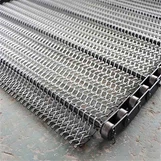
A sponge conveyor belt is a special industrial conveyor belt with a closed-cell sponge layer tightly bonded to the toothed surface and/or back of a traditional polyurethane (PU) or rubber timing belt. Utilizing the soft, absorbent sponge surface, it achieves "damage-free" handling of fragile, easily scratched, or water-absorbing products. It is widely used in light-load, precision conveying scenarios such as food, daily chemicals, electronics, medical, printing, post-processing, and labeling machines.
Specification
|
Model |
Thickness (mm) |
Material |
Color |
Hardness |
Structure |
Minimum pulley diameter (mm) |
1%fixed elongation (N) |
Tensile strength (N/mm) |
Temperature (℃) |
|
11P1/WD |
1 |
PVC |
Green White Dark green Blue Black Gray |
75 |
1ply1fabric |
20 |
4 |
50 |
-10-+80 |
|
21P1.5/WD |
1.5 |
PVC |
75 |
2ply2fabric |
40 |
5 |
80 |
-10-+80 |
|
|
21P2/WD |
2 |
PVC |
75 |
2ply2fabric |
40 |
8 |
120 |
-10-+80 |
|
|
21P3/WD |
3 |
PVC |
75 |
2ply2fabric |
60 |
8 |
100 |
-10-+80 |
|
|
31P4/WD |
4 |
PVC |
75 |
3ply3fabric |
80 |
12 |
150 |
-10-+80 |
|
|
31P5/WD |
5 |
PVC |
75 |
3ply3fabric |
100 |
12 |
150 |
-10-+80 |
|
|
41P6/WD |
6 |
PVC |
75 |
4ply4fabric |
150 |
15 |
180 |
-10-+80 |
|
|
51P8/WD |
8 |
PVC |
75 |
5ply5fabric |
220 |
20 |
230 |
-10-+80 |


Structure and materials
1. Bottom belt: usually made of polyvinyl chloride (PVC), nylon, neoprene, polyurethane and other materials, among which PVC is more common, with high strength, good toughness, not easy to deform, non-flammable and good stability.
2. Sponge layer: generally high-density sponge, such as polyurethane sponge, with soft, elastic, wear-resistant, tear-resistant and other characteristics. The thickness of the sponge layer can be customized according to actual needs, and the common thickness range is 3mm-20mm.
3. Cover layer: The sponge surface of some sponge conveyor belts will be added with a layer of blue or black polyester cloth, which is fixed by stitching or a special bonding process to increase lateral stability and wear resistance.
Advantages
1. Protect fragile items: The soft sponge surface can effectively protect fragile items.
2. Water absorption performance: Suitable for occasions where water absorption is required.
3. Strong durability: High-density sponge and high-quality base belt ensure the durability of the conveyor belt.
4. Customized service: Size and material can be customized according to specific needs.
Application Areas
1. Food Processing: During food transportation, sponge conveyor belts effectively protect fragile foods from damage.
2. Packaging Industry: Used for conveying packaging materials, ensuring their integrity during transport.
3. Electronic Products: In the production and assembly of electronic components, sponge conveyor belts prevent the effects of static electricity and collisions on products.
4. Logistics and Warehousing: Suitable for conveying various lightweight items, improving work efficiency.
Selection and Installation
1. Define Requirements: Determine the material, weight, and size of the workpiece to be conveyed, as well as the most important factor: the conveying environment (whether anti-slip, cushioning, and quiet operation are required).
2. Select Tooth Type and Pitch: Based on the transmission power, speed, and accuracy requirements, select the appropriate tooth type and pitch (e.g., AT5, AT10). A smaller pitch results in smoother operation.
3. Determine Sponge Parameters: Based on the workpiece's wear resistance and anti-slip requirements, select the sponge thickness and hardness.
4. Professional Installation: Ensure the use of a matching synchronous pulley and adjust the tension appropriately. Insufficient tension will cause tooth skipping, while excessive tension will reduce the lifespan of the belt and bearings.
5. Environmental Considerations: Although polyurethane and closed-cell sponges have some chemical resistance, contact with strong acids, strong alkalis, or certain organic solvents should still be avoided.
Maintenance and Care
1. Regularly inspect the conveyor belt for wear and replace any damaged parts promptly.
2. Clean the surface of the conveyor belt to prevent dust and dirt from affecting its performance.
3. Ensure the conveyor belt tension is appropriate, avoiding excessive stretching or slack.
Our History
2005: Wuxi Jingtian Transmission Co., Ltd. was founded, with main products of PVC,pu,pvk conveyor belts.
2010 Start export business.
2015: Build a new factory with more than 3000 square meters.
2017:Import many process machines to improve the belt manufacturing.
2018 Start to log in on the international business website.
2019: Get the SGS, FDA, and ROHS certificates.
2020 Start your own professional international website.
Our advantage
1. Factory direct sales, high cost performance.
2. Easy to install and use.
3. Durable and easy to clean.
4. European standard, OEM service.
5. Provide perfect after-sales service.
6. High-quality and safe applications.
Hot Tags: sponge conveyor belt, China, manufacturers, suppliers, factory, customized, wholesale, buy, price, industrial belts for transportation products packaging machine, industrial belts for office equipment production, light industry belt for amusement park, chemical resistant light industry belt, belt for handicraft making, flexible light industry belt