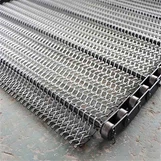
When it comes to choosing the right belt width for a glossy conveyor belt, there are a bunch of factors you gotta take into account. As a supplier of glossy conveyor belts, I've seen firsthand how crucial it is to get this decision right. So, let's dive into the nitty - gritty of picking the perfect belt width.
Understanding Your Conveyor System
First off, you need to have a solid understanding of your conveyor system. The layout, the type of items you're transporting, and the speed of the conveyor all play a role in determining the ideal belt width.
If your conveyor has a long, straight run, you might be able to get away with a narrower belt. But if there are curves, turns, or multiple transfer points, a wider belt could be necessary. This is because a wider belt provides more stability and support when navigating these complex conveyor paths. For example, if you're using a conveyor in a food processing plant where the conveyor has to make sharp turns around different stations, a wider glossy conveyor belt will ensure that the food products stay on the belt and don't fall off during the transfer.
The Nature of the Load
The type of items you're moving on the conveyor is a major factor. If you're transporting small, lightweight items like nuts and bolts, a narrower belt might work just fine. You don't need a wide belt to carry these small objects, and a narrower one can save you some space and cost.
On the other hand, if you're dealing with large, bulky items such as furniture or industrial equipment, a wider belt is essential. A wider belt can distribute the weight of these heavy items more evenly, preventing the belt from sagging or getting damaged. It also reduces the risk of the items tipping over during transportation. For instance, when moving large pieces of machinery on a conveyor, a wide belt provides the necessary support to keep the equipment stable.
Throughput Requirements
Your throughput requirements are another key consideration. If you need to move a large volume of items in a short period, you'll likely need a wider belt. A wider belt can carry more items at once, increasing the overall efficiency of your conveyor system.
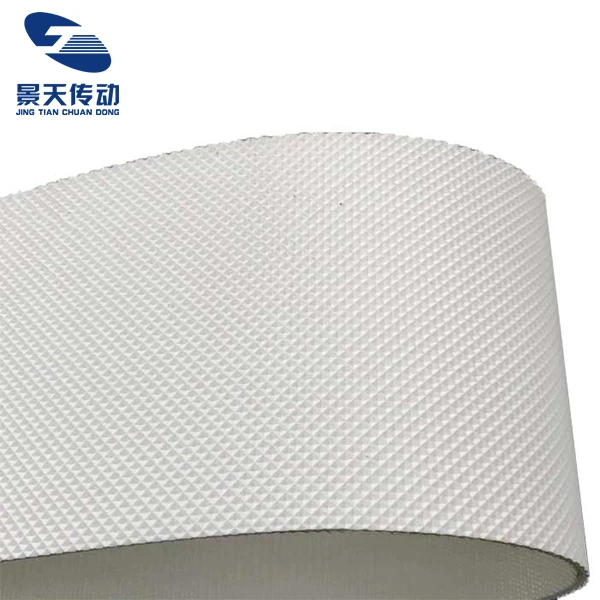
Let's say you're running a packaging line where you need to package hundreds of products per minute. A narrow belt might not be able to handle the high volume, and you'll end up with a bottleneck in your production process. By choosing a wider belt, you can increase the capacity of your conveyor and keep the production line running smoothly.
Space Constraints
Space is often a limiting factor in many industrial settings. You need to make sure that the belt width you choose fits within the available space. If your conveyor is installed in a narrow corridor or a small room, a wide belt might not be practical.
In such cases, you might have to compromise on the belt width and look for other ways to optimize your conveyor system. For example, you could increase the speed of the conveyor or use a more efficient loading and unloading system. However, keep in mind that reducing the belt width too much can also affect the performance of the conveyor, so it's a balancing act.
Compatibility with Existing Equipment
If you're replacing an old conveyor belt or adding a new one to an existing system, you need to ensure that the new belt width is compatible with the other components of the conveyor. This includes the pulleys, idlers, and any other accessories.
The pulleys, in particular, need to be the right size for the belt width. If the pulleys are too small for a wide belt, the belt might not track properly, leading to uneven wear and tear. On the other hand, if the pulleys are too large for a narrow belt, the belt might slip or not be able to transfer power effectively.
Our Product Offerings
As a supplier of glossy conveyor belts, we offer a wide range of belt widths to meet different customer needs. Whether you're looking for a narrow belt for a small - scale operation or a wide belt for a high - volume production line, we've got you covered.
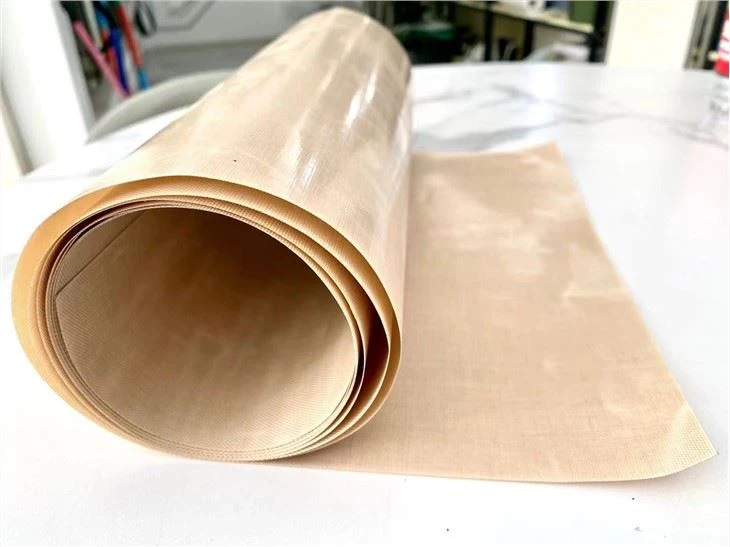
We also have different types of glossy conveyor belts, such as the Teflon Ptfe Coated Fiberglass Fabric Conveyor Belt, which is great for high - temperature applications. This belt has excellent heat resistance and can withstand harsh working conditions.
Another popular option is the Cake Machine Silicone Conveyor Belt. It's designed specifically for the food industry, especially for cake production. The silicone material is food - grade and easy to clean, making it ideal for this type of application.
And of course, we have the Teflon Conveyor Belt, which is known for its low friction and high durability. It's suitable for a variety of industries, from electronics to automotive.
Making the Right Choice
So, how do you actually go about choosing the right belt width? Well, it's a good idea to start by assessing your specific needs. Make a list of the factors we've discussed, such as the nature of the load, throughput requirements, and space constraints.
You can also consult with our team of experts. We have years of experience in the conveyor belt industry and can provide you with valuable advice based on your unique situation. We'll help you analyze your requirements and recommend the most suitable belt width for your conveyor system.
Once you've made a decision, we'll work with you to ensure a smooth installation process. We'll make sure that the belt is properly aligned and tensioned, so it performs at its best from the start.
Contact Us for Procurement
If you're interested in purchasing a glossy conveyor belt and need help choosing the right belt width, don't hesitate to reach out. We're here to assist you every step of the way. Whether you have a small - scale project or a large - scale industrial operation, we can provide you with the right solution.