

Hey there! As a supplier of Punch Hole Conveyor Belts, I've seen my fair share of issues with belt misalignment. It's a common problem that can lead to all sorts of headaches, from reduced efficiency to costly downtime. In this blog post, I'm gonna share some tips on how to prevent belt misalignment in punch hole conveyor belts.
Understanding the Causes of Belt Misalignment
Before we dive into the prevention methods, it's important to understand what causes belt misalignment in the first place. There are several factors that can contribute to this issue, including:
- Improper Installation: If the conveyor belt isn't installed correctly, it can easily become misaligned. This can happen if the belt isn't centered on the pulleys or if the tension isn't adjusted properly.
- Worn Pulleys: Over time, the pulleys on the conveyor system can wear down, causing the belt to shift out of place. This is especially true if the pulleys aren't properly maintained.
- Uneven Loading: If the load on the conveyor belt isn't evenly distributed, it can cause the belt to pull to one side. This can happen if the products being transported are too heavy or if they're placed unevenly on the belt.
- Environmental Factors: Extreme temperatures, humidity, and other environmental factors can also affect the performance of the conveyor belt. For example, if the belt is exposed to high temperatures, it can expand and become misaligned.
Preventive Measures
Now that we know what causes belt misalignment, let's take a look at some preventive measures that you can take to keep your punch hole conveyor belts running smoothly.
Proper Installation
The first step in preventing belt misalignment is to ensure that the conveyor belt is installed correctly. Here are some tips to help you with the installation process:
- Center the Belt: Make sure that the belt is centered on the pulleys before you start tightening the tension. This will help to prevent the belt from shifting to one side.
- Adjust the Tension: The tension of the belt should be adjusted so that it's tight enough to prevent slipping, but not so tight that it causes excessive wear on the pulleys. You can use a tension gauge to measure the tension and make adjustments as needed.
- Check the Alignment: Once the belt is installed, check the alignment of the pulleys to make sure that they're parallel to each other. If the pulleys aren't aligned correctly, it can cause the belt to wear unevenly and become misaligned.
Regular Maintenance
Regular maintenance is essential for preventing belt misalignment. Here are some maintenance tasks that you should perform on a regular basis:
- Inspect the Pulleys: Check the pulleys for signs of wear and tear, such as cracks or grooves. If you notice any damage, replace the pulleys immediately.
- Clean the Belt: Keep the belt clean to prevent the buildup of dirt and debris, which can cause the belt to slip and become misaligned. You can use a mild detergent and water to clean the belt, or you can use a specialized belt cleaner.
- Lubricate the Pulleys: Lubricate the pulleys to reduce friction and prevent wear. You can use a lubricant that's specifically designed for conveyor belts.
Even Loading
To prevent belt misalignment, it's important to ensure that the load on the conveyor belt is evenly distributed. Here are some tips to help you with this:
- Use a Loading Device: Use a loading device, such as a hopper or a feeder, to ensure that the products are loaded onto the belt evenly.
- Adjust the Speed: Adjust the speed of the conveyor belt to match the rate at which the products are being loaded. This will help to prevent the belt from becoming overloaded.
- Monitor the Load: Monitor the load on the conveyor belt to ensure that it doesn't exceed the recommended capacity. If the load is too heavy, it can cause the belt to stretch and become misaligned.
Environmental Factors
Finally, it's important to consider the environmental factors that can affect the performance of the conveyor belt. Here are some tips to help you deal with these factors:
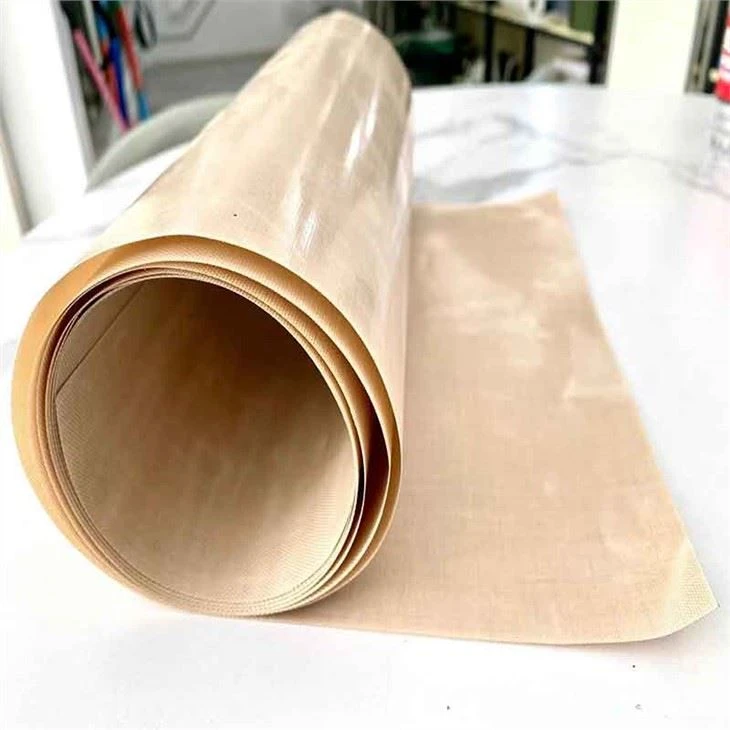
- Control the Temperature: If the conveyor belt is exposed to high temperatures, use a cooling system to keep the belt at a safe temperature. You can also use a Heat Resistant Silicone Conveyor Belt or a Ptfe Conveyor Belt to withstand the heat.
- Reduce Humidity: If the conveyor belt is exposed to high humidity, use a dehumidifier to reduce the moisture in the air. This will help to prevent the belt from becoming slippery and misaligned.
- Protect the Belt: If the conveyor belt is exposed to harsh chemicals or abrasive materials, use a protective cover to prevent damage to the belt. You can also use a Teflon Coated Fiberglass Conveyor Belt or a Teflon Ptfe Coated Fiberglass Fabric Conveyor Belt to provide extra protection.
Conclusion
Belt misalignment is a common problem that can cause all sorts of issues for your conveyor system. However, by following the tips outlined in this blog post, you can prevent belt misalignment and keep your punch hole conveyor belts running smoothly. Remember to install the belt correctly, perform regular maintenance, ensure even loading, and consider the environmental factors that can affect the performance of the belt.
If you're in the market for a high-quality punch hole conveyor belt, or any of our other products like Silicon Conveyor Belt, feel free to reach out to us. We're here to help you find the right solution for your needs.


