Introduction
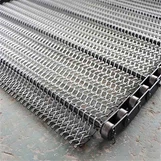
PTFE Mesh Conveyor Belt uses high-quality, high-strength imported glass fiber and Kevlar (aramid) as the woven base material, first woven into a high-strength mesh base fabric, and then coated with a layer of high-performance polytetrafluoroethylene (PTFE) resin to make the PTFE Mesh Conveyor Belt base fabric, which is processed into various specifications of ventilated and dry conveyor belts through a unique production process. It can achieve smooth and efficient transportation of materials. The unique design has excellent heat resistance, non-stickiness and durability, and is mainly used in food processing, packaging and electronic manufacturing industries.


Feature
1. PTFE mesh belt is resistant to high temperature - continuous use from low temperature -70 to high temperature 260 degrees;
2. Air permeability of PTFE mesh belt - air permeability of conveyor belt, reduce heat source consumption and improve drying efficiency;
3. Chemical resistance of PTFE mesh belt - not affected by most chemicals and solvents;
4. The PTFE mesh conveyor belt is anti-adhesive - it can easily remove almost all adhesives, such as resins, coatings, chemicals, etc.;
5. The flexural fatigue resistance of the PTFE mesh belt - has high tensile strength and flexural fatigue resistance, and can be used for small wheel warps;
6. The mesh is generally divided into: 1mm*1mm, 1.5*2, 2*2, 2*2.5, 4*4, 10*10, etc.
Video display
Specification

Advantages
1. Non-stick surface: makes it ideal for applications involving sticky or oily substances.
2. High temperature resistance: can be used in environments where exposure to high temperatures is required.
3. Long service life: due to the durability of PTFE, these conveyor belts can last longer than other conveyor belts.
4. Low maintenance cost: the non-stick property reduces the need for cleaning and maintenance.
Maintenance and care
1. Daily cleaning: Regularly clean the material residue and dust on the conveyor belt. You can use clean water or mild detergent to rinse it. Avoid using sharp tools to scratch the surface of the conveyor belt to avoid damaging the PTFE coating.
2. Check wear: Regularly check the wear of the conveyor belt, especially the edges and joints. If severe wear or damage is found, it should be repaired or replaced in time to prevent the problem from further expansion.
3. Avoid overload: During use, the conveyor belt should be prevented from being subjected to excessive load to avoid damage due to exceeding its carrying capacity. At the same time, care should be taken to avoid excessive impact on the conveyor belt.
4. Storage conditions: When storing, the conveyor belt should be placed in a dry and well-ventilated environment, avoiding direct sunlight and moisture to prevent aging and deterioration of the conveyor belt.
Usage Recommendations
1. Due to the high slippage properties of PTFE conveyor belts, some applications may require the use of an appropriate drive system to ensure smooth material transport.
2. Regularly inspect the condition of the conveyor belt, especially in high-temperature and heavy-load environments, to prevent performance degradation due to prolonged wear.
Hot Tags: ptfe mesh conveyor belt, China, manufacturers, suppliers, factory, customized, wholesale, buy, price, heat resistant conveyor belt tailoring, high temperature conveyor belt for factories performance, heat resistant conveyor belt mounting, conveyor belt for high temperature applications manufacturer, high temperature resistant belt for conveying pricing, heat resistant conveyor belt function