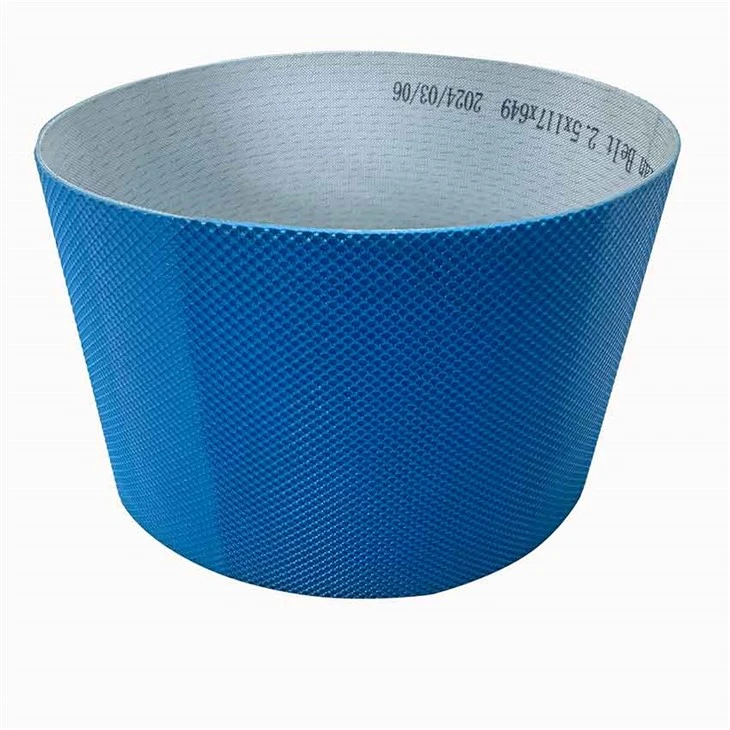
1. Regular Cleaning
Cleaning Frequency: After daily production, rinse the conveyor belt surface with warm water to remove any residual material. Disinfect the belt thoroughly with a food-grade disinfectant weekly.
Cleaning Tools: Use soft-bristled brushes, sponges, rags, and other tools. Avoid using hard tools that may scratch the conveyor belt.
Cleaning Agents: Use food-grade cleaners and disinfectants, such as hydrogen peroxide or quaternary ammonium disinfectants. Avoid using strong acids, bases, and other chemicals that may damage the PVC material.
2. Inspection and Repair
Appearance Inspection: Perform a thorough inspection daily or weekly to check for wear, cracks, and deformation.
Joint Inspection: Regularly check the joints for tightness to ensure they are not cracked, loose, or broken.
Damage Repair: Minor damage, such as scratches or tears, should be promptly repaired with a specialized PVC repair agent or glue. 3. Maintaining Flatness
Flatness Check: Regularly check the flatness of the conveyor belt to ensure it is free of wrinkles, deformation, or warping during operation.
Adjustment or Replacement: If any problems are found, promptly adjust or replace the conveyor belt to ensure stable and safe material conveying.
4. Tension Adjustment
Regularly Check Tension: Use a belt tension meter to measure the vibration frequency at the center of the conveyor belt and accurately adjust the tension according to the standard tension value specified in the equipment manual.
Adjustment Method: Slowly increase or decrease the belt tension using the adjustment screws at the drive or tensioning end. Adjustments should be made symmetrically on both sides to prevent the belt from skewing.
5. Roller and Bearing Maintenance
Roller Cleaning: Use a rag dampened with alcohol or kerosene to wipe the surfaces of the drive roller, steering roller, and idler rollers to remove any adhered dirt and fibers.
Bearing Lubrication: Regularly check the grease condition of the roller bearings and replace with new grease if necessary.
6. Environmental Control
Avoid High Temperature and Humidity: PVC conveyor belts should not be operated in high or humid environments for extended periods, as this will accelerate aging and deformation of the material. Good Ventilation: Ensure the conveyor belt's operating environment is well ventilated to reduce temperature and humidity, extending its service life.
7. Tracking and Wear Repair
Tracking Adjustment: If the conveyor belt deviates to one side, loosen the tensioning screw on that side or adjust the roller bearing seat on that side so that the roller axis is perpendicular to the conveyor belt.
Wear Repair: Minor wear can be smoothed with sandpaper and then applied with repair glue. Deep damage requires cutting away the damaged area and repairing with a patch of the same material using hot vulcanization welding or cold gluing.
8. Daily Maintenance Standards
Food Processing Industry: Daily cleaning, weekly maintenance, and monthly inspection.
Logistics and Warehousing Industry: Weekly cleaning, quarterly maintenance, and annual overhaul.