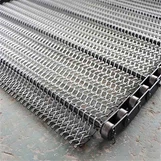
Hey there! As a supplier of guide conveyor belts, I often get asked a bunch of questions about where these belts can be used. One question that pops up quite a bit is, "Can a guide conveyor belt be used in explosive environments?" Well, let's dive right into it and find out.
First off, let's understand what a guide conveyor belt is. It's a type of conveyor belt that has guides on it. These guides help keep the belt in place as it moves along the conveyor system, preventing it from wandering off to the sides. This is super important because a misaligned belt can cause all sorts of problems, like reduced efficiency, increased wear and tear, and even safety issues.
Now, when it comes to explosive environments, things get a bit tricky. Explosive environments are places where there's a risk of an explosion due to the presence of flammable gases, vapors, dust, or fibers. Think of places like oil refineries, chemical plants, grain silos, and coal mines. In these places, safety is the number one priority, and any equipment used has to meet strict safety standards.
So, can a guide conveyor belt be used in these explosive environments? The short answer is, it depends. There are a few factors that need to be considered.
Material of the Belt
The material of the guide conveyor belt plays a huge role. Some materials are more likely to generate static electricity than others. Static electricity can create sparks, and in an explosive environment, a single spark can be catastrophic. For example, rubber belts can sometimes generate static electricity as they move. However, there are special types of rubber that are antistatic. These antistatic rubbers are designed to dissipate static electricity safely, reducing the risk of sparks.
Another option is using belts made from materials like polyurethane. Polyurethane belts can be engineered to have good antistatic properties. They're also known for their durability and resistance to wear and tear, which is great for conveyor systems that are constantly in use. You can check out our Pu Food Grade Conveyor Belt for an example of a high - quality polyurethane belt.
Design and Construction
The design and construction of the guide conveyor belt are also crucial. The guides on the belt need to be properly designed to prevent any friction or rubbing that could generate heat or sparks. For instance, the edges of the guides should be smooth and free of any sharp points. Also, the way the guides are attached to the belt should be secure and not cause any undue stress on the belt.
In addition, the overall construction of the belt should be able to withstand the harsh conditions of an explosive environment. This means it should be resistant to chemicals, heat, and abrasion. A well - constructed belt will last longer and reduce the need for frequent replacements, which is not only cost - effective but also reduces the risk of downtime in a production facility.
Certification and Compliance
For a guide conveyor belt to be used in an explosive environment, it has to meet certain certifications and compliance standards. These standards are set by international organizations and regulatory bodies to ensure the safety of equipment used in such environments. For example, in Europe, the ATEX directive sets the requirements for equipment used in explosive atmospheres. Any belt used in an explosive environment in Europe has to be ATEX - certified.
In the United States, the National Fire Protection Association (NFPA) has standards for equipment in explosive environments. Before using a guide conveyor belt in an explosive environment, it's essential to make sure it meets the relevant standards. This gives you peace of mind knowing that the belt has been tested and approved for use in such a high - risk environment.
Maintenance and Inspection
Even if a guide conveyor belt meets all the safety requirements, proper maintenance and inspection are still necessary. Regular inspections can help detect any signs of wear and tear, damage, or malfunction early on. For example, if the guides on the belt start to wear down, they could cause the belt to misalign, increasing the risk of friction and sparks.
Maintenance also includes cleaning the belt regularly. In an explosive environment, dust and debris can accumulate on the belt, which can be a fire hazard. By keeping the belt clean, you reduce the risk of an explosion.


Advantages of Using Guide Conveyor Belts in Explosive Environments
If all the safety requirements are met, there are several advantages to using guide conveyor belts in explosive environments. Firstly, the guides help keep the belt in place, which improves the efficiency of the conveyor system. This means less downtime and more productivity.
Secondly, a well - designed guide conveyor belt can reduce the risk of product spillage. In an explosive environment, spilled materials can be a major hazard. By keeping the materials on the belt, you reduce the risk of creating a flammable or explosive mixture on the floor.
We also offer other types of conveyor belts that might be suitable for different applications. For example, our Matt Surface Conveyor Belt is great for light - industry applications, and our Flat Transmission Belt is perfect for power transmission.
Conclusion
In conclusion, a guide conveyor belt can be used in explosive environments, but it has to meet strict safety requirements. The material, design, construction, certification, and maintenance all play important roles in ensuring the safety of the belt in such an environment.
If you're in the market for a guide conveyor belt for an explosive environment or any other application, we're here to help. We have a wide range of high - quality conveyor belts that are designed to meet the needs of different industries. Whether you need a belt for a chemical plant, a food processing facility, or a light - industry application, we've got you covered.
If you have any questions or want to discuss your specific requirements, feel free to reach out. We're always happy to have a chat and help you find the perfect conveyor belt for your needs.
References
- ATEX Directive 2014/34/EU
- National Fire Protection Association (NFPA) standards
- Manufacturer's guidelines for conveyor belt materials and construction