As a supplier of Glossy PVC Conveyor Belts, I often get asked if these belts have good resistance to oil. It's a crucial question, especially for industries that deal with oily substances on a daily basis. In this blog post, I'll dive into the details of Glossy PVC Conveyor Belt's oil resistance, and also share some relevant info about other conveyor belts we offer.
What's the Deal with Glossy PVC Conveyor Belts?
First off, let's talk about what Glossy PVC Conveyor Belts are. These belts are made from polyvinyl chloride (PVC) with a glossy finish. PVC is a popular material for conveyor belts because it's durable, flexible, and relatively easy to clean. The glossy surface not only gives the belt a nice look but also provides some additional benefits.
The PVC material itself has some natural resistance to oil. When it comes into contact with oil, it doesn't immediately break down or absorb the oil like some other materials. However, the level of oil resistance can vary depending on a few factors.
Factors Affecting Oil Resistance
1. Type of Oil
There are different types of oils out there, such as mineral oils, synthetic oils, and vegetable oils. Each type has its own chemical properties, and Glossy PVC Conveyor Belts may react differently to them.
- Mineral oils, which are commonly used in industrial machinery, can have a mild to moderate impact on PVC. Over time, contact with mineral oil may cause the PVC to swell slightly, which can affect the belt's tension and performance. But if the exposure is occasional and the oil is wiped off promptly, the damage can be minimized.
- Synthetic oils are often formulated to have specific properties, and some of them may be more aggressive towards PVC. If your conveyor belt is going to be in constant contact with synthetic oils, you need to be extra careful and choose a belt with enhanced oil resistance.
- Vegetable oils, on the other hand, are generally less harmful to PVC. They are more biodegradable and don't usually cause as much swelling or degradation as mineral or synthetic oils.
2. Concentration and Duration of Exposure
The longer the Glossy PVC Conveyor Belt is in contact with oil, and the higher the concentration of the oil, the more likely it is to experience some negative effects. For example, if the belt is constantly submerged in oil or exposed to a high - viscosity oil mist, the oil can penetrate the PVC more easily and cause damage.
3. Environmental Conditions
Temperature, humidity, and other environmental factors can also play a role. High temperatures can make the PVC more pliable and more susceptible to oil absorption. If the conveyor operates in a hot and oily environment, the belt may deteriorate faster than in a cooler, drier setting.
How Good is the Oil Resistance Really?
In general, Glossy PVC Conveyor Belts offer a reasonable level of oil resistance for light to moderate oil exposure. For applications where the belt only comes into occasional contact with small amounts of oil, such as in some food processing or packaging industries, the standard Glossy PVC belts can work well.
But for heavy - duty industrial applications with continuous oil exposure, like in automotive manufacturing or metalworking, we may recommend some additional treatments or modifications to the belt. We can apply special coatings to the PVC that improve its oil resistance. These coatings create a barrier between the oil and the PVC, reducing the chances of oil penetration and damage.
Other Conveyor Belts We Offer
Now, as a conveyor belt supplier, we don't just offer Glossy PVC Conveyor Belts. We also have a range of high - temperature and specialty conveyor belts that might be of interest to you.
- High Temperature Silicone Conveyor Belt: These belts are great for applications that involve high temperatures. They can withstand heat up to a certain limit and are also resistant to some chemicals, including certain oils.
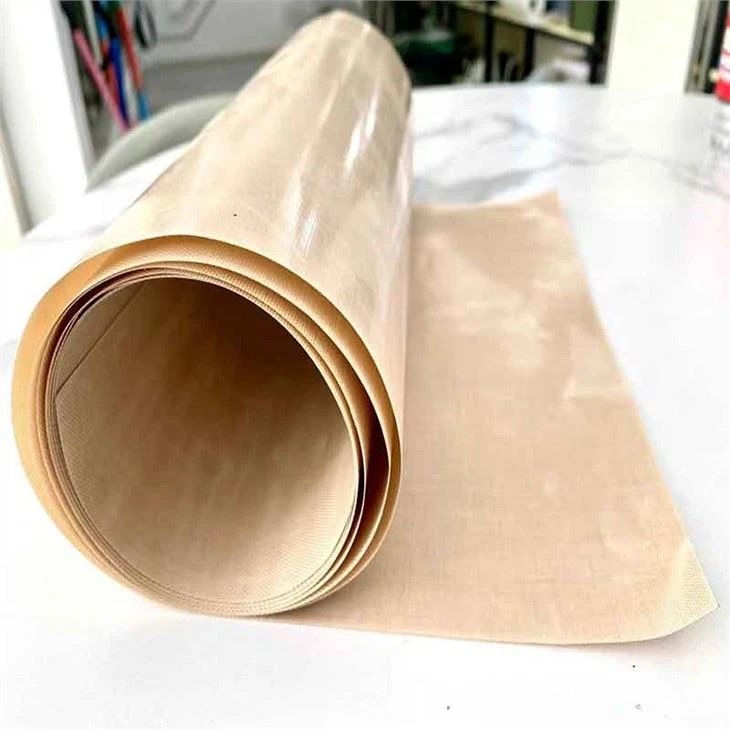
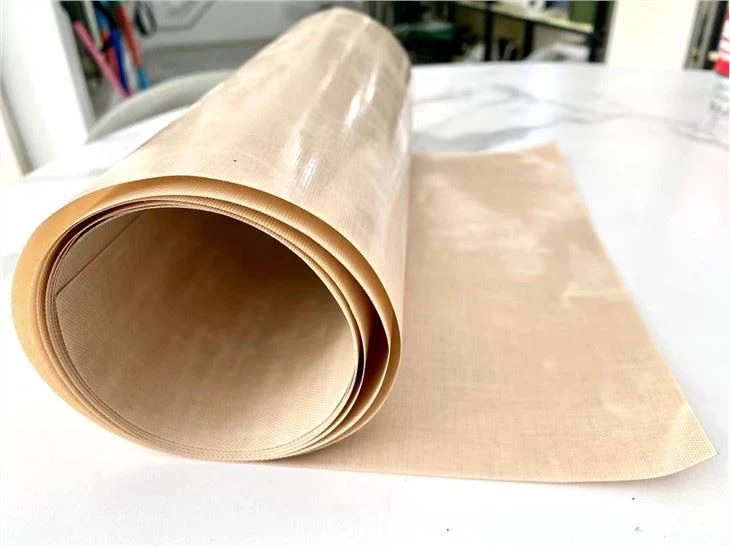
- Ptfe Conveyor Belt: PTFE (Polytetrafluoroethylene) belts are known for their excellent non - stick properties. They are highly resistant to chemicals, including oils, and can work in a wide range of temperatures.
- Teflon Coated Fiberglass Conveyor Belt: This type of belt combines the strength of fiberglass with the non - stick and chemical resistance of Teflon. It's suitable for applications where high temperatures and oil resistance are required.
- Teflon Ptfe Coated Fiberglass Fabric Conveyor Belt: Similar to the Teflon Coated Fiberglass Conveyor Belt, but with a fabric base. It offers good oil resistance and flexibility, making it a popular choice in various industries.
- Heat Resistant Conveyor Belt: As the name suggests, these belts are designed to handle high - temperature environments. They can also have good oil resistance, depending on the specific model and application.
Conclusion
So, Glossy PVC Conveyor Belts do have some level of oil resistance, but it depends on the factors I mentioned earlier. If you have an application with light to moderate oil exposure, these belts can be a cost - effective and reliable choice. But for more demanding situations, we have other options available, like the high - temperature and specialty belts I talked about.
If you're in the market for a conveyor belt, whether it's a Glossy PVC belt or one of our other products, don't hesitate to reach out. We can help you choose the right belt for your specific needs and provide you with all the details you need to make an informed decision. Let's start a conversation and see how we can solve your conveyor belt requirements!