Hey everyone, thanks for popping in-today I want to chat about one of the most common questions I get from customers (especially those in food processing, pharma, or small manufacturing shops): Does a white PVC conveyor belt actually have good grip on products? As a supplier of these belts, I've fielded this question so many times, I've decided to break it down with real-world facts, not just sales fluff. Let's cut through the noise and get to the meat of it.
First, let's start with what makes white PVC conveyor belts different from other belt types (because that's key to understanding grip). A lot of folks only know the basic grey PVC belts, but white versions are super popular for clean industries-think baking, dairy, or even pharmaceutical packaging-where colour consistency is non-negotiable and contamination risks are a big deal. They're made from polyvinyl chloride, formulated with a white pigment (usually titanium dioxide) that's food-safe if they're the right grade, right? That's why you'll see them used alongside other clean conveyor options like food grade silicone conveyor belts, which are another go-to for food handling jobs.
Now, grip. Let's get technical for a sec, but keep it simple. Grip on a conveyor belt boils down to two main things: surface friction and the interaction between the belt and the product it's carrying. PVC, in general, has a coefficient of friction (COF) that's pretty middle-of-the-road-usually around 0.4 to 0.6, depending on the formulation. Wait, that's not too high, not too low. But white PVC is a bit different because the white pigment and any extra additives (like anti-slip agents, common in these belts) tweak that COF. If you've got a product that's flat, smooth, and doesn't slide easily on its own-like a cookie dough sheet, a small food container, or a pill blister pack-white PVC's grip is actually solid.
Let's test this with real examples I see every day. Last month, a customer who runs a small artisanal cookie bakery hit me up because their clear plastic trays kept sliding off their grey belts. They switched to our white PVC belts, and boom-no more sliding. The matte white finish has a tiny bit more grab than glossy grey PVC, and the anti-slip additives we mix into most of our industrial-grade white PVC belts make all the difference. That's not to say it's perfect for everything, though. If you're carrying something super smooth, like a raw silicone sheet or a glass bottle base, you might need a bit more. That's when some customers pair their main white PVC runs with specialty belts like heat resistant silicone conveyor belts for those extra-grippy, high-heat tasks.
Wait, let's address the myths here. I hear people say all the time "PVC is too slippery!" That's only true if you skip the right formulation. Cheaper white PVC belts (the ones from random online sellers that are super cheap) usually cut corners on anti-slip additives, so their COF drops way too low. But our belts? We test every batch for friction before shipping, because if a belt can't hold a product steady during a dip, a turn, or a quick conveyor speed change, it's useless. Another myth: white PVC yellows, which makes people think it's less grippy over time. Nope-yellowing is usually from UV exposure or harsh cleaning chemicals, not wear. Even after 6 months of daily use in a bakery that wipes belts down with sanitizer, our white PVC belts still hold that matte finish and consistent grip.
What about when products are wet or oily? That's a big one for food industries, right? I get so many questions about grip when things get messy. White PVC actually performs way better than, say, some rubber belts here. The surface of white PVC is non-porous, so water and oil bead up instead of soaking in, which means friction doesn't drop as much as it would on a porous material. A few weeks back, a dairy processing client told us their white PVC belts worked way better than their old black rubber ones when carrying yogurt cups that had a bit of whey splashed on them. The cups didn't slide at all during the filling process, which saved them from a ton of product waste. That said, if you're dealing with really greasy stuff-like fried dough or greasy meat-you might want a different option. Some customers in that space use ptfe conveyor belts, which have a non-stick surface that still holds greasy products without slipping, or even ptfe mesh conveyor belts for air flow needs.
Now, let's compare to other common belt types to put it in perspective. If you need extreme grip for irregular, lightweight products (like small confectionery pieces that might shift), white PVC is great, but you might go for silicone because silicone has a higher COF (around 0.7 to 0.9). But silicone is more expensive, and it doesn't hold up as well to some sanitizers that white PVC handles fine. If you're carrying heavy, dense products (like metal parts, though that's less common for white PVC), you might need a belt with a reinforced carcass, but the grip is still comparable if it's formulated right. And don't forget things like silicone oven door seals, which are another silicone product that relies on consistent friction for a tight fit-similar to how a good belt needs consistent grip to hold products in place.
Wait, let's talk about user experience vs. specs. As a supplier, I don't just sell belts-I walk customers through what works for their specific job. Last year, a pharmaceutical startup was testing both white PVC and silicone belts for their pill packaging line. They were worried about white PVC's grip being too low for the small blister packs. We did a trial run with their actual product, and the white PVC worked perfectly because the blister packs had a slight texture from manufacturing, which matched up with the belt's matte surface. If the packs had been super glossy, we would have suggested a slightly more textured white PVC or a silicone option. The key here is that grip isn't one-size-fits-all-it's about matching the belt's surface to your product's texture, weight, and environment.
Another thing that affects grip is how the belt is mounted on your conveyor. If the rollers are misaligned, the belt might warp, and that can cause uneven grip-parts of the belt might rub too much, other parts might slide. I always tell customers to check their conveyor setup when they're testing a new belt, because even the best white PVC belt won't perform right if the machine it's on is off. That's a common mistake new buyers make-they blame the belt when it's just the setup.
Let's wrap up the pros for white PVC grip, because I know you guys want to know if this is the right choice. First, consistent, reliable grip for most medium-weight, flat-to-textured products in clean environments (food, pharma, light packaging). Second, it holds up well to moisture, mild oils, and regular cleaning, so grip doesn't degrade quickly. Third, it's way more cost-effective than silicone belts for most jobs, which is a big plus for small businesses and factories with tight budgets. The only cons are if you have super smooth, heavy, or extremely greasy products-then you might need to look at other options, like the ones I mentioned earlier.
I've been in this game for years, and I can tell you: 9 times out of 10, when a customer comes to me asking about grip for their clean-industry conveyor, white PVC is the first belt I suggest. We've had so many repeat customers switching from other belts because our white PVC belts' grip is solid, consistent, and fits their budget. The key is working with a supplier who doesn't just sell you a belt, but tests it with your specific products so you know you're getting the right fit.
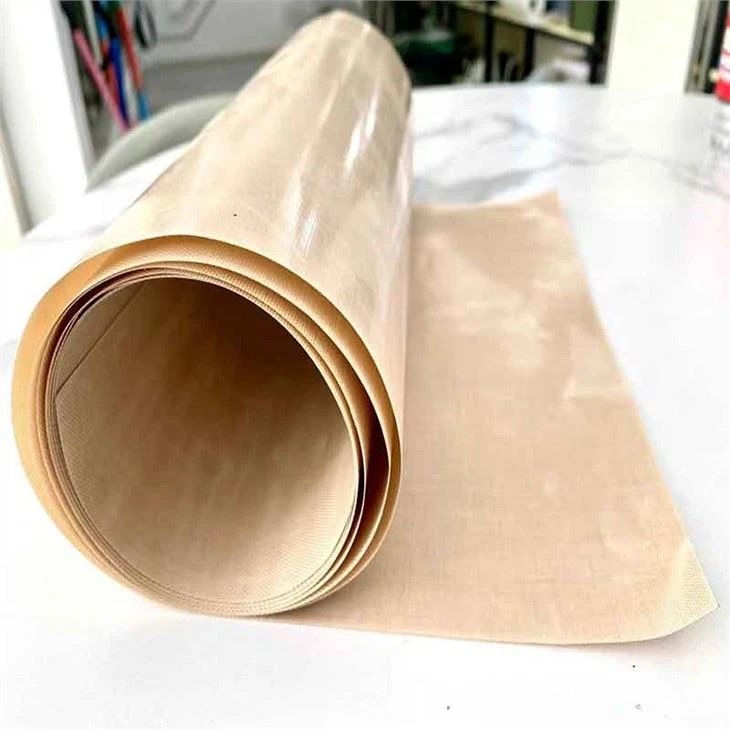

If you're curious if white PVC is right for your conveyor line, or if you want to learn more about how our belts stack up to other options like food grade silicone conveyor belts, heat resistant silicone conveyor belts, ptfe conveyor belts, ptfe mesh conveyor belts, or even silicone oven door seals for other parts of your operation, feel free to reach out to our team for a free trial or custom quote. We're happy to walk through your setup and make sure you get a belt that works for your exact needs, no pressure, no sales jargon.