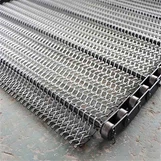
Silicon conveyor belts are a game-changer in industrial applications, offering a unique blend of flexibility, durability, and high - quality performance. As a silicon conveyor belt supplier, I'm super excited to break down how these amazing tools work for you.
The Basics of a Silicon Conveyor Belt
Silicon conveyor belts are made from silicon rubber, which is a synthetic elastomer known for its excellent heat resistance, chemical stability, and non - stick properties. The belt consists of a reinforcement layer, usually made of fabrics like polyester or fiberglass, and a silicone rubber cover. The reinforcement layer provides strength and stability, while the silicone cover offers those great features we just mentioned.
Think of a silicon conveyor belt as a continuous loop that moves in a circular motion around a set of pulleys. One pulley, usually called the drive pulley, is connected to a motor. When the motor runs, it turns the drive pulley, and this rotation pulls the belt along. The other pulley, known as the idle pulley, just helps to guide the belt and keep it in place.
How the Movement Happens
The motor, an important part of the whole setup, transfers power to the drive pulley through a system of belts or gears. When the motor starts, it creates a rotational force that is transferred to the drive pulley. The friction between the drive pulley and the inner surface of the conveyor belt is what makes the belt move. And this frictional force has to be just right; if it's too low, the belt will slip, and if it's too high, it can cause excessive wear and tear.
These belts are used in a wide variety of industries because they're so versatile. For example, in the food industry, the non - stick property of silicon makes it perfect for handling sticky substances like candies or dough. We offer a 5mm Double Side Canvas Food Grade Conveyor Belt that's specifically designed for this purpose. It meets all the food safety standards and ensures that your food products are handled safely and efficiently.
Tracking and Tensioning
Keeping the belt on track is crucial for smooth operation. That's where tracking systems come in. There are different types of tracking systems, but they generally work by adjusting the position of the idle pulley or using special guide rails. When the belt starts to drift to one side, the tracking system senses this and makes small adjustments to bring the belt back to the center.
Tensioning is another important aspect. The belt needs to be under the right amount of tension. If the tension is too low, the belt can sag and cause problems like slipping or misalignment. On the other hand, if the tension is too high, it can put extra stress on the belt, the pulleys, and the motor, leading to premature wear. Tensioners are used to adjust the tension. They can be automatic or manual, depending on the specific requirements of the conveyor system.
Handling Different Loads
Silicon conveyor belts are designed to handle different types of loads. They can carry lightweight items like small electronic components or heavy items like large machinery parts. The key is to choose the right belt for the job. For light - industry applications, we have products like the Antistatic Pvc Conveyor Belt and the White Rubber Conveyor Belt. These belts are both durable and well - suited to the specific needs of light - industry tasks.
When a load is placed on the belt, the belt has to distribute the weight evenly to avoid stress concentrations. The design of the belt, including the thickness of the rubber cover and the type of reinforcement layer, plays a big role in this. For example, a thicker rubber cover can provide more cushioning for heavier loads, while a stronger reinforcement layer can prevent the belt from stretching or breaking under the weight.
Maintenance and Longevity
To keep a silicon conveyor belt working well for a long time, regular maintenance is essential. This includes cleaning the belt to remove any debris or contaminants that could affect its performance. Since silicon is non - stick, cleaning is usually easier compared to other types of conveyor belts.
It's also important to check the tracking and tension regularly. Any small misalignments or improper tension can quickly lead to bigger problems. Inspecting the belt for signs of wear, such as cracks or tears, is another part of the maintenance routine. If any issues are found early, they can be fixed before they cause a breakdown in the system.
Conclusion
Silicon conveyor belts are an important tool in many industries, offering a reliable and efficient way to move products from one place to another. Whether you're in the food industry, light industry, or any other sector that needs a conveyor system, understanding how these belts work can help you make the most of them.


As a silicon conveyor belt supplier, I'm here to help you choose the right belt for your specific needs. If you're interested in learning more about our products or have any questions about how to use a silicon conveyor belt in your operation, don't hesitate to reach out. We can have a chat about your requirements and find the best solution for you. Let's work together to make your conveyor system run smoothly!
References
- "Conveyor Belt Technology" by various industry experts
- Manufacturer's guides for silicon conveyor belts