Hey there! As a supplier of Blue PVC Conveyor Belts, I've dealt with various questions from customers, and one that pops up quite often is how to adjust the speed of these belts. So, I thought I'd put together this blog post to share some insights on this topic.
Why Speed Adjustment Matters
Before we dive into the how - to, let's talk about why you might need to adjust the speed of your Blue PVC Conveyor Belt. The most obvious reason is efficiency. Different products on the conveyor may require different speeds for proper handling. For example, fragile items might need a slower speed to prevent damage, while more robust products can be moved at a faster pace to increase throughput.
Another reason could be to match the production line speed. If the conveyor is part of a larger production process, it needs to operate at a speed that's compatible with other steps in the process. Speed adjustment can also help with maintenance and troubleshooting. Sometimes, running the belt at a slower speed can make it easier to spot issues or conduct minor repairs.
Methods to Adjust the Speed
Using a Variable Frequency Drive (VFD)
A Variable Frequency Drive is one of the most common and efficient ways to adjust the speed of a conveyor belt. It works by changing the frequency of the electrical power supplied to the motor. By altering the frequency, you can control the motor's speed, and in turn, the speed of the conveyor belt.
Here's how it generally works: First, you'll need to install the VFD between the power source and the conveyor motor. Once installed, you can adjust the frequency settings on the VFD. Most modern VFDs come with a control panel that allows you to set the desired speed easily. You can increase or decrease the frequency to speed up or slow down the belt.
One of the great things about VFDs is their precision. You can set the speed with a high degree of accuracy, which is crucial for applications where exact speeds are required. Also, they offer smooth speed transitions, which helps prevent sudden jerks on the conveyor belt that could damage products or the belt itself.
Mechanical Drive Systems
Mechanical drive systems are another option for speed adjustment. This includes things like belt - pulley systems and gearboxes. In a belt - pulley system, you can change the pulley sizes to alter the speed ratio. For example, if you increase the size of the drive pulley relative to the driven pulley, the conveyor belt will move faster.
Gearboxes work in a similar way. They use a set of gears to change the speed and torque of the motor output. By selecting different gear ratios, you can adjust the conveyor belt speed. However, mechanical drive systems are usually less precise than VFDs. They also require more maintenance, as the belts and gears can wear out over time.
Manual Adjustment
In some cases, you might be able to make manual adjustments to the conveyor belt speed. This could involve adjusting the tension on the belt or the settings on a mechanical governor. However, this method is usually less accurate and not suitable for applications that require precise speed control.
Manual adjustment can be a bit of a trial - and - error process. You'll need to make small adjustments and then test the speed to see if it's what you want. It's also important to be careful when making these adjustments, as incorrect tension or settings can lead to belt slippage or other problems.
Factors to Consider When Adjusting Speed
Load Capacity
The weight and size of the items on the conveyor belt can have a big impact on the speed adjustment. Heavier loads require more power to move, so you might need to reduce the speed to prevent the motor from overloading. On the other hand, lighter loads can usually handle faster speeds.
Belt Material and Condition
The material of the Blue PVC Conveyor Belt and its condition also play a role. A worn - out belt may not be able to handle high speeds without slipping or breaking. If the belt is in good condition, you have more flexibility in adjusting the speed.
Safety
Safety should always be a top priority. When adjusting the speed, make sure that the conveyor belt operating procedures are followed. Blocking guards and safety devices should not be removed during the adjustment process.

Other Types of Conveyor Belts
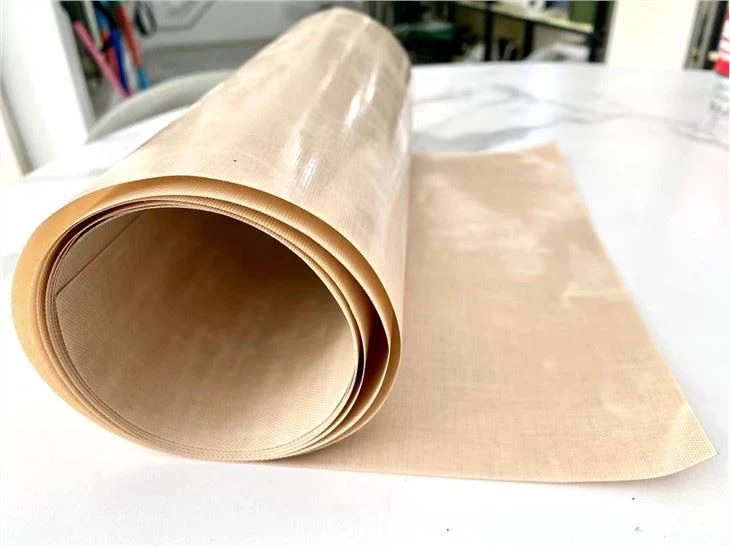
We also offer other types of high - quality conveyor belts, such as Teflon Coated Fiberglass Conveyor Belt, Heat Resistant Silicone Conveyor Belt, Teflon Ptfe Coated Fiberglass Fabric Conveyor Belt, Silicon Conveyor Belt, and Teflon Conveyor Belt. These belts have their own unique features and are suitable for different applications. For example, the Teflon - coated belts are great for high - temperature environments, while the silicone belts are known for their flexibility and heat resistance.
Conclusion
Adjusting the speed of a Blue PVC Conveyor Belt is an important aspect of optimizing your production process. Whether you choose a Variable Frequency Drive, a mechanical drive system, or manual adjustment, make sure to consider factors like load capacity, belt condition, and safety. And if you have any questions about speed adjustment or need help choosing the right conveyor belt for your application, don't hesitate to reach out. We're here to assist you in finding the best solutions for your business. Get in touch with us to discuss your specific requirements and start a conversation about purchasing the perfect conveyor belt for your needs.