Hey there! As a supplier of sponge conveyor belts, I've seen firsthand how crucial it is to design a system that meets production needs. In this blog, I'll share some tips on how to design a sponge conveyor belt system that's efficient, reliable, and tailored to your specific requirements.
Understanding Your Production Needs
Before you start designing a sponge conveyor belt system, it's important to understand your production needs. This includes factors such as the type of product you're conveying, the production volume, the speed of the conveyor, and the environment in which the system will operate.

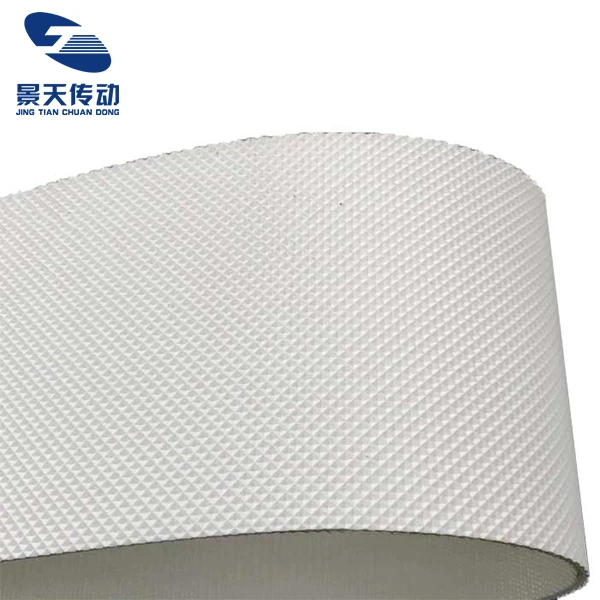
For example, if you're conveying a delicate product, you'll need a conveyor belt that's gentle on the product and won't cause any damage. On the other hand, if you're conveying a heavy or abrasive product, you'll need a conveyor belt that's durable and can withstand the wear and tear.
You'll also need to consider the production volume and the speed of the conveyor. If you have a high production volume, you'll need a conveyor belt that can handle the load and move the product quickly. If you have a low production volume, you may be able to get away with a slower conveyor belt.
Finally, you'll need to consider the environment in which the system will operate. If the environment is hot or humid, you'll need a conveyor belt that's resistant to heat and moisture. If the environment is dusty or dirty, you'll need a conveyor belt that's easy to clean.
Choosing the Right Conveyor Belt
Once you understand your production needs, you can start choosing the right conveyor belt for your system. There are several types of conveyor belts available, each with its own advantages and disadvantages.
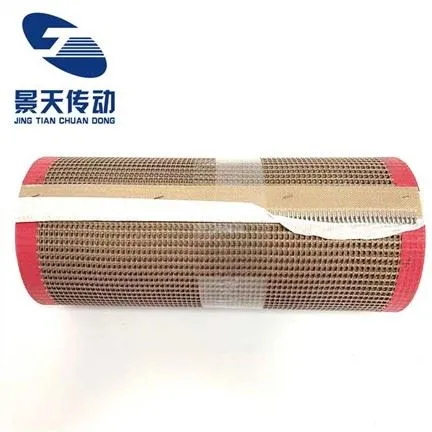
One type of conveyor belt that's commonly used in sponge conveyor belt systems is the 1*1mm Mesh High Temperature Resistant Ptfe Conveyor Belt. This type of conveyor belt is made from PTFE (polytetrafluoroethylene), which is a high-performance material that's resistant to heat, chemicals, and abrasion. It's also non-stick, which makes it easy to clean and maintain.
Another type of conveyor belt that's commonly used in sponge conveyor belt systems is the Ptfe Seamless Fusing Machine Belt. This type of conveyor belt is also made from PTFE, but it's designed specifically for use in fusing machines. It's seamless, which means there are no joints or seams that can cause problems with the product.
If you're conveying a food product, you may want to consider using a Cake Machine Silicone Conveyor Belt. This type of conveyor belt is made from silicone, which is a food-grade material that's safe for use with food products. It's also flexible and easy to clean, which makes it ideal for use in food processing applications.
Designing the Conveyor Belt System
Once you've chosen the right conveyor belt for your system, you can start designing the conveyor belt system. This includes determining the layout of the conveyor belt, the type of drive system to use, and the type of support structure to use.
The layout of the conveyor belt is important because it determines how the product will be conveyed through the system. You'll need to consider factors such as the length of the conveyor belt, the width of the conveyor belt, and the number of curves and turns in the conveyor belt.
The type of drive system to use is also important because it determines how the conveyor belt will be powered. There are several types of drive systems available, including electric motors, hydraulic motors, and pneumatic motors. You'll need to choose the drive system that's best suited for your specific requirements.
The type of support structure to use is also important because it determines how the conveyor belt will be supported. There are several types of support structures available, including frames, stands, and rollers. You'll need to choose the support structure that's best suited for your specific requirements.
Installing and Maintaining the Conveyor Belt System
Once you've designed the conveyor belt system, you can start installing and maintaining the system. This includes installing the conveyor belt, the drive system, and the support structure. You'll also need to test the system to make sure it's working properly.
After the system is installed, you'll need to maintain it to ensure it continues to operate efficiently and reliably. This includes cleaning the conveyor belt, lubricating the drive system, and inspecting the support structure for any signs of wear or damage.
Conclusion
Designing a sponge conveyor belt system that meets production needs is a complex process that requires careful planning and consideration. By understanding your production needs, choosing the right conveyor belt, designing the conveyor belt system, and installing and maintaining the system, you can ensure that your system is efficient, reliable, and tailored to your specific requirements.
If you're interested in learning more about sponge conveyor belt systems or if you have any questions, please don't hesitate to contact us. We're here to help you design and install a conveyor belt system that meets your needs.