

Hey there! As a supplier of PVC flat conveyor belts, I often get asked about how to install side guides on these belts. It's a crucial step that can really enhance the performance and efficiency of your conveyor system. So, let's dive right into it!
Why Side Guides are Important
First off, let's talk about why you'd even want to install side guides on your PVC flat conveyor belt. Side guides help keep your products centered on the belt, preventing them from falling off the edges. This is especially important when you're dealing with small or irregularly shaped items. They also reduce wear and tear on the belt by minimizing the chances of the products rubbing against the sides. In a nutshell, side guides can improve the overall productivity and longevity of your conveyor system.
Tools and Materials You'll Need
Before you start the installation process, you'll need to gather a few tools and materials. Here's a list of what you'll typically need:
- Measuring tape: To ensure accurate placement of the side guides.
- Marker: To mark the positions on the belt where the side guides will be installed.
- Adhesive: A high-quality adhesive suitable for PVC materials. Make sure it's strong enough to hold the side guides in place.
- Side guides: Of course, you'll need the actual side guides. Make sure they're the right size and shape for your conveyor belt.
- Utility knife: To trim the side guides if necessary.
Step-by-Step Installation Process
Step 1: Measure and Mark
The first step is to measure the width of your conveyor belt. You'll want to install the side guides at a distance that's appropriate for the size of the products you'll be transporting. Use the measuring tape to determine the exact positions for the side guides, and then mark these positions on the belt using the marker. Make sure the marks are straight and evenly spaced.
Step 2: Prepare the Side Guides
Before you apply the adhesive, you'll need to prepare the side guides. If they're a bit too long, use the utility knife to trim them to the appropriate length. Make sure the edges are smooth and free of any rough spots. You can also clean the side guides with a mild detergent to remove any dirt or debris that might affect the adhesion.
Step 3: Apply the Adhesive
Now it's time to apply the adhesive. Follow the instructions on the adhesive package carefully. Usually, you'll need to apply a thin, even layer of adhesive to the back of the side guide. Make sure to cover the entire surface. Then, wait for a few minutes for the adhesive to become tacky.
Step 4: Install the Side Guides
Once the adhesive is tacky, carefully place the side guide on the marked position on the conveyor belt. Press it down firmly to ensure good contact. You can use a roller or a flat tool to apply even pressure along the length of the side guide. Make sure the side guide is straight and aligned with the marks. Repeat this process for the other side guide.
Step 5: Let the Adhesive Cure
After installing the side guides, you'll need to let the adhesive cure. This usually takes a few hours, but it can vary depending on the type of adhesive you're using. During this time, avoid using the conveyor belt to allow the adhesive to bond properly.
Tips and Tricks
- Choose the Right Side Guides: There are different types of side guides available, such as flexible and rigid ones. Choose the type that's best suited for your application. For example, if you're transporting delicate items, flexible side guides might be a better option.
- Test the Installation: Before you start using the conveyor belt with the side guides, do a test run. Place a few sample products on the belt and see how they move. Make sure the side guides are keeping the products centered and that there are no issues with the adhesion.
- Maintain the Side Guides: Regularly inspect the side guides for any signs of wear or damage. If you notice any problems, replace the side guides as soon as possible to prevent further issues.
Related Products
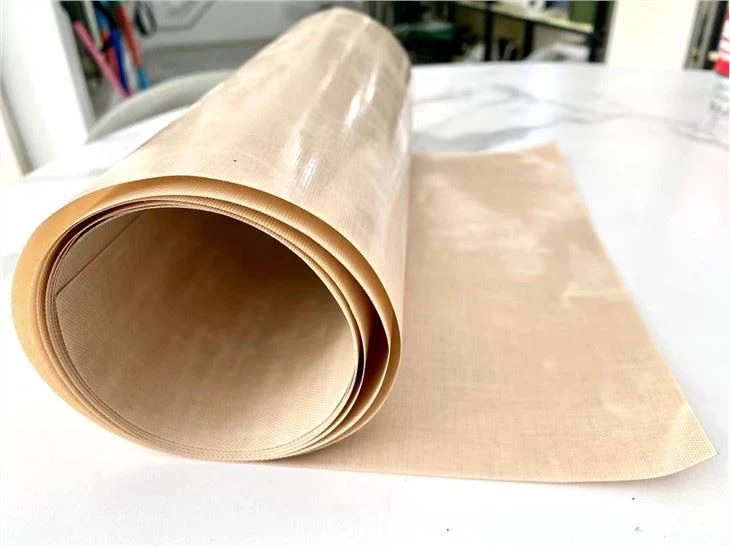
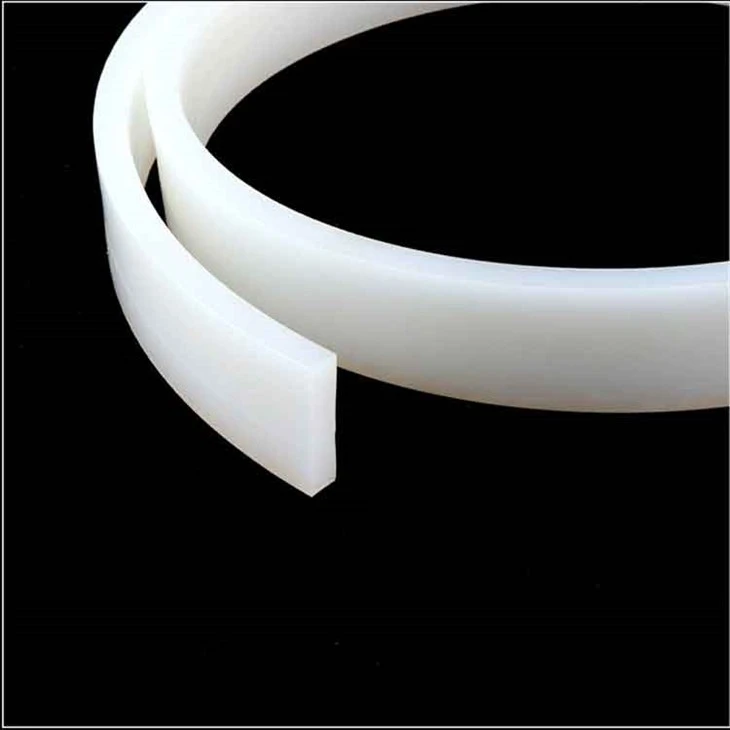
If you're looking for other types of conveyor belts or related products, we also offer Teflon Ptfe Coated Fiberglass Fabric Conveyor Belt, Silicone Oven Door Seal, and Teflon Coated Fiberglass Conveyor Belt. These products are designed to meet different industrial needs and can provide high performance and durability.
Conclusion
Installing side guides on a PVC flat conveyor belt is a relatively simple process that can have a big impact on the performance of your conveyor system. By following the steps outlined above and using the right tools and materials, you can ensure a successful installation. If you have any questions or need further assistance, don't hesitate to reach out. We're here to help you get the most out of your conveyor belt. Whether you're a small business or a large industrial operation, we can provide the products and support you need. So, if you're in the market for a PVC flat conveyor belt or any related products, feel free to contact us for a quote and to discuss your specific requirements.


