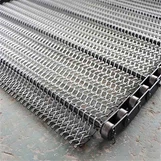
In the industrial landscape, conveyor belts play a pivotal role in the efficient movement of materials across various sectors, from mining and manufacturing to food processing. As a supplier of PVK conveyor belts, I am often asked about the environmental friendliness of these products. In this blog post, I will delve into the aspects of PVK conveyor belts to determine whether they can be considered environmentally friendly.
Understanding PVK Conveyor Belts
PVK conveyor belts are made from a combination of polyvinyl chloride (PVC) and polyester fabric. The PVC provides the belt with flexibility, chemical resistance, and durability, while the polyester fabric adds strength and dimensional stability. These belts are widely used due to their versatility, cost - effectiveness, and ability to handle a wide range of materials and operating conditions.
Material Sourcing and Production
One of the primary concerns when evaluating the environmental impact of a product is the sourcing of its raw materials. Polyvinyl chloride is derived from petroleum, a non - renewable resource. The extraction and processing of petroleum have significant environmental consequences, including habitat destruction, water pollution, and greenhouse gas emissions. However, the production of PVC has become more efficient over the years, with many manufacturers implementing measures to reduce their energy consumption and waste generation.
In the case of PVK conveyor belts, the polyester fabric is also typically made from petroleum - based polymers. But some suppliers are starting to explore the use of recycled polyester, which can significantly reduce the environmental footprint associated with material sourcing. By using recycled polyester, we can divert waste from landfills and reduce the demand for virgin materials.
During the production process, energy consumption is another critical factor. Modern manufacturing facilities for PVK conveyor belts are increasingly adopting energy - efficient technologies. For example, advanced extrusion and calendering processes can be optimized to use less energy while maintaining high - quality production. Additionally, some manufacturers are investing in renewable energy sources, such as solar panels or wind turbines, to power their operations.
Durability and Lifespan
One of the key advantages of PVK conveyor belts in terms of environmental friendliness is their durability. A well - designed and properly maintained PVK conveyor belt can have a long lifespan, which means fewer replacements are needed over time. This reduces the overall consumption of raw materials and energy associated with manufacturing new belts.
Compared to some other types of conveyor belts, PVK belts are resistant to abrasion, chemicals, and wear. They can withstand harsh operating conditions, such as high temperatures, heavy loads, and exposure to various substances. This durability translates into less waste generation, as the belts do not need to be discarded as frequently.
Recycling and End - of - Life Management
The recyclability of PVK conveyor belts is an important aspect of their environmental profile. While PVC can be recycled, the process is more complex compared to some other plastics. However, there are specialized recycling facilities that can break down PVC into its components and reuse them in the production of new products.
As a supplier, we are committed to promoting the recycling of our PVK conveyor belts. We work with recycling partners to ensure that end - of - life belts are properly collected and processed. By doing so, we can close the loop on the material lifecycle and reduce the amount of waste sent to landfills.
In addition to recycling, some PVK conveyor belts can be refurbished or repaired. Minor damages can often be fixed, extending the belt's useful life. This not only saves resources but also reduces the cost for our customers.
Energy Efficiency during Operation
Another aspect to consider is the energy efficiency of PVK conveyor belts during their operation. These belts are designed to have low friction, which means less energy is required to move materials along the conveyor system. Lower energy consumption not only reduces operating costs for our customers but also has a positive impact on the environment by decreasing greenhouse gas emissions.
Furthermore, PVK conveyor belts can be customized to fit specific applications. By optimizing the belt's design, such as its width, thickness, and speed, we can ensure that the conveyor system operates at maximum efficiency. This targeted approach helps to minimize energy waste and improve overall productivity.
Comparison with Other Conveyor Belt Materials
When comparing PVK conveyor belts with other materials, such as rubber or metal, it is important to consider the environmental trade - offs. Rubber conveyor belts are often made from natural rubber, which is a renewable resource. However, the production of natural rubber can have negative environmental impacts, including deforestation and the use of pesticides. Metal conveyor belts, on the other hand, are highly durable but can be heavy and require more energy to operate.
PVK conveyor belts offer a balance between durability, cost - effectiveness, and environmental performance. While they are not without their environmental challenges, especially in terms of raw material sourcing, their long lifespan, recyclability, and energy efficiency during operation make them a viable option in many applications.
Conclusion
In conclusion, PVK conveyor belts can be considered relatively environmentally friendly when evaluated from a holistic perspective. While the sourcing of raw materials is a concern due to their petroleum - based nature, the industry is making progress in using recycled materials and improving production efficiency. The durability of PVK belts reduces the need for frequent replacements, and their recyclability and potential for refurbishment help to minimize waste. Additionally, their energy - efficient operation during use contributes to a lower environmental impact.
As a supplier of PVK conveyor belts, we are constantly striving to improve the environmental performance of our products. We are committed to researching and implementing new technologies and materials that can further reduce the environmental footprint of our conveyor belts.
If you are in the market for conveyor belts and are concerned about environmental sustainability, I encourage you to consider our PVK conveyor belts. Our team of experts can work with you to find the best solution for your specific application. Whether you are in the mining, manufacturing, or food processing industry, we have the experience and knowledge to provide you with high - quality, environmentally responsible conveyor belt solutions. Contact us today to start a conversation about your conveyor belt needs and explore how our products can benefit your business while minimizing environmental impact.
References
- "Polyvinyl Chloride (PVC) Recycling: Current Status and Future Perspectives" by [Author's Name], [Journal Name], [Year]
- "Energy Efficiency in Conveyor Belt Systems" by [Author's Name], [Research Report], [Year]
- "Durability and Performance of PVK Conveyor Belts" by [Author's Name], [Industry Publication], [Year]