As a supplier of nylon base conveyor belts, I've witnessed firsthand the diverse requirements and applications of different conveyor belt types in various industries. Each type of conveyor belt has its unique features, advantages, and limitations, which make them suitable for specific tasks. In this blog, I'll explore the differences between nylon base conveyor belts and other types of conveyor belts, helping you make an informed decision when choosing the right conveyor belt for your needs.
Structure and Composition
Nylon base conveyor belts are constructed with a nylon fabric as the base layer. Nylon is a synthetic polymer known for its high strength, excellent abrasion resistance, and good flexibility. The nylon fabric is usually coated with a layer of rubber or other materials to provide additional protection and enhance its performance. This combination of nylon and rubber makes nylon base conveyor belts durable and reliable, capable of withstanding heavy loads and harsh operating conditions.
In contrast, other types of conveyor belts may have different structures and compositions. For example, PVC conveyor belts are made of polyvinyl chloride, a synthetic plastic material. PVC conveyor belts are lightweight, flexible, and resistant to chemicals, making them suitable for applications in the food, pharmaceutical, and electronics industries. However, they may not be as strong or durable as nylon base conveyor belts, especially in high-stress applications.
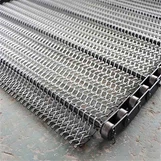
Another common type of conveyor belt is the metal conveyor belt, which is made of stainless steel, carbon steel, or other metals. Metal conveyor belts are known for their high strength, heat resistance, and durability, making them ideal for applications in the automotive, aerospace, and metalworking industries. However, they are also heavier and more expensive than nylon base conveyor belts, and they may require more maintenance and lubrication.
Performance and Applications
One of the main advantages of nylon base conveyor belts is their high strength and load-bearing capacity. Nylon has a high tensile strength, which means it can withstand large amounts of stress without breaking or stretching. This makes nylon base conveyor belts suitable for applications that require the transportation of heavy or bulky materials, such as mining, construction, and manufacturing.
Nylon base conveyor belts also have excellent abrasion resistance, which means they can withstand the wear and tear of constant use without deteriorating. This makes them ideal for applications in industries where the conveyor belts are exposed to abrasive materials, such as sand, gravel, and coal.
In addition, nylon base conveyor belts are flexible and can be easily customized to fit the specific requirements of different applications. They can be made in a variety of widths, lengths, and thicknesses, and they can be equipped with different types of cleats, sidewalls, and other accessories to enhance their performance. This makes them suitable for a wide range of applications, from simple material handling to complex automated systems.
On the other hand, other types of conveyor belts may have different performance characteristics and applications. For example, PVC conveyor belts are lightweight and flexible, making them suitable for applications that require the transportation of lightweight or delicate materials, such as food, pharmaceuticals, and electronics. They are also resistant to chemicals and moisture, making them ideal for applications in the food and beverage industry.
Metal conveyor belts, on the other hand, are known for their high heat resistance and durability, making them suitable for applications in industries where the conveyor belts are exposed to high temperatures, such as the automotive, aerospace, and metalworking industries. They are also resistant to corrosion and abrasion, making them ideal for applications in harsh environments.


Cost and Maintenance
When it comes to cost, nylon base conveyor belts are generally more affordable than metal conveyor belts but more expensive than PVC conveyor belts. The cost of a nylon base conveyor belt depends on several factors, such as the size, thickness, and quality of the belt, as well as the type of coating and accessories used.
In terms of maintenance, nylon base conveyor belts are relatively easy to maintain. They require regular cleaning and inspection to ensure that they are in good condition and free from damage. However, they may need to be replaced more frequently than metal conveyor belts, especially in high-stress applications.
PVC conveyor belts are also relatively easy to maintain, but they may require more frequent replacement than nylon base conveyor belts, especially in applications where they are exposed to harsh chemicals or abrasive materials.
Metal conveyor belts, on the other hand, require more maintenance and lubrication than nylon base and PVC conveyor belts. They need to be cleaned regularly to remove dirt, debris, and other contaminants, and they may need to be lubricated to prevent corrosion and wear.
Conclusion
In conclusion, nylon base conveyor belts offer a number of advantages over other types of conveyor belts, including high strength, load-bearing capacity, abrasion resistance, and flexibility. They are suitable for a wide range of applications, from simple material handling to complex automated systems, and they are relatively easy to maintain and cost-effective.
However, the choice of conveyor belt ultimately depends on the specific requirements of your application. If you need a conveyor belt that is lightweight, flexible, and resistant to chemicals, a PVC conveyor belt may be the best choice. If you need a conveyor belt that is strong, heat-resistant, and durable, a metal conveyor belt may be the better option.
As a supplier of Nylon Base Tape Conveyor Belt, I can provide you with a wide range of conveyor belts to meet your specific needs. Whether you need a standard conveyor belt or a custom-made solution, I can help you find the right product at the right price.
If you are interested in learning more about our nylon base conveyor belts or other types of conveyor belts, please visit our website at Double Side Blue Nylon Base Folder Gluer Belt or Sidewall PVC Conveyor Belt. You can also contact me directly to discuss your requirements and get a free quote. I look forward to hearing from you and helping you find the perfect conveyor belt for your application.
References
- Conveyor Belt Handbook, edited by Conveyor Equipment Manufacturers Association
- Nylon: Properties, Applications, and Manufacturing, by John Doe
- PVC Conveyor Belts: A Comprehensive Guide, by Jane Smith
- Metal Conveyor Belts: Design, Selection, and Maintenance, by Bob Johnson