As a supplier of white PVC conveyor belts, I often get asked about the perks of these belts. But today, I'm gonna take a different route and talk about the disadvantages you might face when using white PVC conveyor belts.
1. Limited Heat Resistance
One of the biggest drawbacks of white PVC conveyor belts is their lack of heat resistance. PVC starts to lose its shape and integrity when exposed to high temperatures. If the operating environment has temperatures above 60 - 80 °C (it varies depending on the specific PVC formulation), the belt can start to soften, warp, or even melt. This is a huge problem in industries where high - temp processes are common, like bakeries or heat - treating facilities.
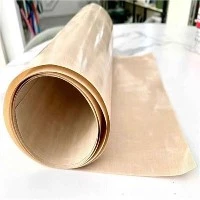
In bakeries, for instance, the ovens can reach temperatures well over 200 °C. Using a white PVC conveyor belt here is simply out of the question. In such cases, you'd be better off looking at alternatives like the PTFE Mesh Conveyor Belt. PTFE belts can withstand extremely high temperatures, up to 260 °C even, and they maintain their shape and performance under heat stress.
2. Chemical Sensitivity
White PVC conveyor belts are quite sensitive to certain chemicals. PVC can be attacked by solvents, acids, and some alkaline substances. For example, if your production process involves the use of strong acids like sulfuric acid or powerful solvents such as acetone, the PVC belt will degrade over time. The chemical reaction can weaken the belt's structure, leading to cracks, splits, and ultimately belt failure.
If your work requires frequent exposure to chemicals, you might want to consider the Teflon Ptfe Coated Fiberglass Fabric Conveyor Belt. Teflon - coated belts are highly chemical - resistant, making them a great option for chemical - intensive industries.
3. Static Build - up
Static electricity can be a real pain when it comes to white PVC conveyor belts. PVC is a synthetic material that tends to generate and hold static charges. As the belt moves, friction with the rollers, the items being transported, and the surrounding air can cause static electricity to build up on the belt's surface.
This static build - up can attract dust and debris, which not only makes the belt look dirty but can also cause premature wear. In industries where static can be a safety hazard, like in the electronics manufacturing or powder - handling sectors, it can be extremely dangerous. The static discharge can damage sensitive electronic components or even cause an explosion in a powder - laden environment.
A more suitable alternative here could be the Food Grade Silicone Conveyor Belt, which has better anti - static properties compared to white PVC belts, reducing the risk of static - related issues.
4. Abrasion and Wear
White PVC belts may not be the best choice when there's a lot of abrasion involved. In industries where the conveyed materials are rough, have sharp edges, or are very heavy, the PVC belt can wear out quickly. For example, if you're transporting stones or metal parts with jagged edges, the belt surface will get scratched and scuffed, and over time, holes and tears can develop.
In contrast, 1*1mm Mesh High Temperature Resistant Ptfe Conveyor Belt made with PTFE has better abrasion resistance. The PTFE material is tougher and can handle more abuse without wearing down as easily as PVC.
5. Limited UV Resistance
When white PVC conveyor belts are exposed to sunlight or other UV sources for an extended period, they can degrade. UV rays can cause the PVC to become brittle, discolor, and crack. This is a major problem if the conveyor system is installed outdoors or in an area with high UV exposure, such as a greenhouse or a loading dock in a sunny region.
If UV exposure is a concern, a Teflon Conveyor Belt would be a wiser choice. Teflon is highly resistant to UV radiation and can withstand long - term exposure without significant deterioration.
6. Difficult to Repair
Repairing a white PVC conveyor belt can be a real headache. Unlike some other types of belts, PVC doesn't bond well with common adhesives. If there's a small tear or a cut in the belt, it's not easy to simply patch it up. You may need to use specialized repair kits or take the belt off - site for professional repair, which can be time - consuming and costly.
7. Environmental Concerns
From an environmental perspective, white PVC conveyor belts have their downsides. PVC is a petroleum - based plastic, and its production involves the use of various chemicals and energy. When PVC belts reach the end of their life, they can be difficult to recycle. Burning PVC also releases toxic chemicals, such as dioxins, into the environment, which can have serious health and ecological impacts.


Despite these disadvantages, white PVC conveyor belts still have their uses in many industries. They are relatively inexpensive, easy to clean, and have good flexibility. However, it's important to be aware of their limitations so that you can make an informed decision when choosing the right conveyor belt for your specific needs.
If you're still unsure about whether a white PVC conveyor belt is right for you, or if you want to explore other options among our conveyor belts, please feel free to get in touch with us to discuss your requirements. We're here to help you find the best solution for your business.