As a supplier of PU Round Belts, I often get asked about the chemical stability of these products. Understanding the chemical stability of a PU Round Belt is crucial for its proper application in various industries. In this blog post, I'll delve into what chemical stability means for PU Round Belts, factors that affect it, and its implications for different usage scenarios.
What is Chemical Stability?
Chemical stability refers to the ability of a material to resist chemical reactions that could lead to its degradation or change in properties. For a PU Round Belt, this means it can maintain its physical and mechanical properties when exposed to different chemicals. A chemically stable PU Round Belt will not dissolve, swell, or undergo significant chemical changes when in contact with substances such as oils, solvents, acids, and bases.
Factors Affecting the Chemical Stability of PU Round Belts
1. Polyurethane Composition
The base material of a PU Round Belt is polyurethane, which can be formulated in different ways. The type of polyol and isocyanate used in the polyurethane synthesis plays a significant role in its chemical stability. For example, polyester - based polyurethanes generally have good resistance to oils and solvents but may be less resistant to hydrolysis (reaction with water). On the other hand, polyether - based polyurethanes are more resistant to hydrolysis but may have different chemical resistance profiles compared to polyester - based ones.
2. Additives
Manufacturers often add various additives to PU Round Belts to enhance specific properties. These additives can also affect chemical stability. For instance, antioxidants are added to prevent oxidation of the polyurethane, which can occur when exposed to oxygen in the air or certain chemicals. UV stabilizers are used to protect the belt from the degrading effects of ultraviolet light, which can also be a factor in chemical breakdown over time.
3. Environmental Conditions
The environment in which the PU Round Belt operates has a direct impact on its chemical stability. High temperatures can accelerate chemical reactions, reducing the belt's resistance to chemicals. Humidity can also play a role, especially for belts that are sensitive to hydrolysis. Additionally, the concentration and type of chemicals present in the environment are important factors. A belt may be able to withstand a low - concentration acid solution but could be severely damaged by a high - concentration one.
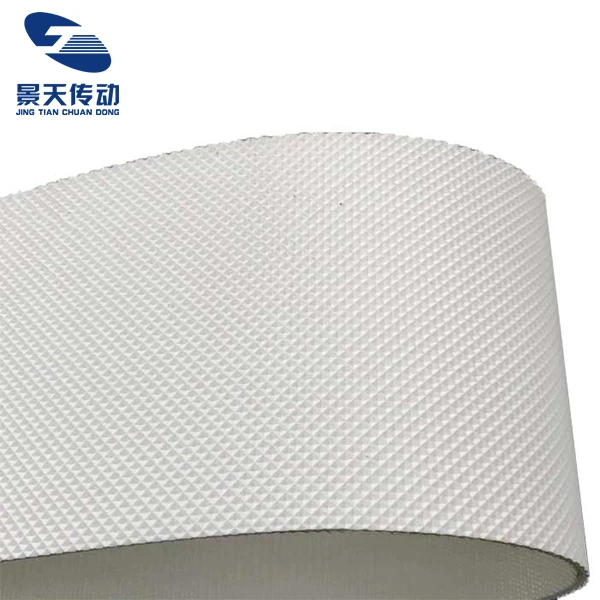

Chemical Resistance of PU Round Belts
1. Resistance to Oils and Greases
PU Round Belts generally have good resistance to mineral oils, vegetable oils, and greases. This makes them suitable for applications in industries such as automotive manufacturing, where they may come into contact with lubricants. Their ability to resist these substances ensures that the belt maintains its flexibility and mechanical strength, preventing premature wear and failure.
2. Resistance to Solvents
The resistance to solvents depends on the type of solvent and the polyurethane formulation. Some PU Round Belts can resist common solvents like acetone, ethanol, and toluene to a certain extent. However, strong solvents such as chlorinated hydrocarbons may cause swelling or dissolution of the belt. In applications where solvent exposure is a concern, it's important to choose a belt with appropriate chemical resistance.
3. Resistance to Acids and Bases
The chemical stability of PU Round Belts against acids and bases varies. Polyester - based polyurethanes are generally more resistant to weak acids but may be attacked by strong acids and bases. Polyether - based polyurethanes can have better resistance to hydrolysis caused by alkaline solutions. It's essential to consider the pH level and concentration of the acid or base in the application environment.
Implications for Different Applications
1. Industrial Conveyor Systems
In industrial conveyor systems, PU Round Belts are widely used. They may be exposed to various chemicals depending on the industry. For example, in the food industry, belts need to be resistant to cleaning agents and food - related substances. Our Conveyor Belt Food Grade is designed to meet the strict requirements of the food industry, with excellent chemical stability against common food - contact chemicals and cleaning solutions.
2. Labeling Machines
Labeling machines often use PU Round Belts. These belts may come into contact with inks, adhesives, and cleaning solvents. A chemically stable belt is essential to ensure smooth operation and prevent contamination of the labels. Our Black Sponge Labeling Machine Conveyor Belt is engineered to resist the chemicals commonly found in labeling machine environments, maintaining its performance over time.
3. Cake Machines
In cake machines, PU Round Belts are used for conveying cakes and other baked goods. These belts need to be resistant to high temperatures and food - related substances. Our Cake Machine Silicone Conveyor Belt offers not only high - temperature resistance but also good chemical stability against ingredients like sugar, flour, and fats.
Importance of Chemical Stability in Product Selection
When selecting a PU Round Belt for a specific application, chemical stability should be one of the primary considerations. A belt that is not chemically stable in the given environment will degrade quickly, leading to frequent replacements, increased downtime, and higher costs. By choosing a belt with the appropriate chemical resistance, businesses can ensure the reliability and longevity of their equipment.
Conclusion
The chemical stability of a PU Round Belt is a complex but crucial aspect that determines its performance and suitability for different applications. Factors such as polyurethane composition, additives, and environmental conditions all play a role in its chemical resistance. As a supplier, we understand the importance of providing belts with the right chemical stability for our customers' needs. Whether you're in the food industry, industrial manufacturing, or any other sector that uses conveyor belts, we can offer you high - quality PU Round Belts with excellent chemical stability.
If you're interested in learning more about our PU Round Belts or have specific requirements for your application, please don't hesitate to contact us for procurement and further discussions. We're here to help you find the perfect belt solution for your business.
References
- "Polyurethane Handbook" by G. Oertel
- "Plastics in Engineering" by J. A. Brydson