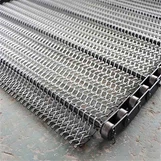
What is the heat dissipation performance of a Rough Top Conveyor Belt?
As a supplier of Rough Top Conveyor Belts, I often get asked about the heat dissipation performance of these belts. Heat dissipation is a crucial factor in the operation of conveyor belts, especially in industries where high temperatures are involved. In this blog, I will explore the heat dissipation performance of Rough Top Conveyor Belts, the factors that affect it, and how it impacts the overall efficiency and lifespan of the belts.
Understanding Rough Top Conveyor Belts
Rough Top Conveyor Belts are designed with a textured surface that provides excellent grip and traction, making them ideal for conveying materials on inclines or declines. These belts are commonly used in industries such as food processing, packaging, and logistics. The rough top surface helps to prevent materials from slipping, ensuring a smooth and efficient conveying process.


Heat Dissipation in Conveyor Belts
Heat generation in conveyor belts can occur due to various factors, including friction between the belt and the conveyor components, the weight of the materials being conveyed, and the speed of the conveyor. Excessive heat can lead to several problems, such as belt degradation, reduced lifespan, and even safety hazards. Therefore, effective heat dissipation is essential to maintain the performance and longevity of the conveyor belts.
Factors Affecting Heat Dissipation
Several factors can influence the heat dissipation performance of Rough Top Conveyor Belts. These include:
- Material Composition: The material used to manufacture the conveyor belt plays a significant role in its heat dissipation properties. Some materials, such as rubber and PVC, have better heat dissipation capabilities than others. For example, Small PU Conveyor Belt made of polyurethane (PU) may have different heat dissipation characteristics compared to belts made of other materials.
- Belt Thickness: Thicker belts generally have better heat dissipation capabilities as they can absorb and distribute heat more effectively. A 5mm Thickness PVC Conveyor Belt may dissipate heat better than a thinner belt, but it also depends on the material and design of the belt.
- Conveyor Design: The design of the conveyor system, including the type of rollers, the distance between the rollers, and the tension of the belt, can affect heat dissipation. A well-designed conveyor system with proper ventilation can help to dissipate heat more efficiently.
- Operating Conditions: The operating conditions, such as the temperature, humidity, and the type of materials being conveyed, can also impact heat dissipation. For example, conveying hot materials or operating the conveyor in a high-temperature environment can increase the heat generation and make it more challenging to dissipate heat.
Measuring Heat Dissipation Performance
To evaluate the heat dissipation performance of Rough Top Conveyor Belts, several methods can be used. One common method is to measure the temperature of the belt surface during operation. This can be done using infrared thermometers or temperature sensors. By monitoring the temperature, we can determine how effectively the belt is dissipating heat and identify any potential issues.
Another method is to conduct laboratory tests to measure the thermal conductivity of the belt material. Thermal conductivity is a measure of how well a material conducts heat. A higher thermal conductivity indicates better heat dissipation capabilities.
Improving Heat Dissipation
There are several ways to improve the heat dissipation performance of Rough Top Conveyor Belts. These include:
- Selecting the Right Material: Choosing a belt material with good heat dissipation properties is crucial. As mentioned earlier, materials like rubber and PVC are known for their relatively good heat dissipation capabilities.
- Optimizing Belt Design: Designing the belt with features that promote heat dissipation, such as ventilation holes or a specific pattern, can improve its performance. For example, a belt with a porous structure may allow air to circulate more freely, helping to dissipate heat.
- Maintaining the Conveyor System: Regular maintenance of the conveyor system, including cleaning the rollers, adjusting the tension of the belt, and ensuring proper lubrication, can help to reduce friction and heat generation.
- Controlling Operating Conditions: Controlling the operating conditions, such as the temperature and humidity, can also help to improve heat dissipation. For example, using cooling systems or installing ventilation fans in the conveyor area can help to lower the temperature.
Impact on Belt Lifespan and Efficiency
Effective heat dissipation is essential for maintaining the lifespan and efficiency of Rough Top Conveyor Belts. Excessive heat can cause the belt material to degrade, leading to cracks, wear, and reduced strength. This can result in frequent belt replacements, increased downtime, and higher maintenance costs.
On the other hand, a conveyor belt with good heat dissipation performance can operate more efficiently, reducing energy consumption and improving productivity. By maintaining a lower temperature, the belt can also prevent damage to the conveyed materials and ensure a smooth and reliable conveying process.
Conclusion
In conclusion, the heat dissipation performance of Rough Top Conveyor Belts is a critical factor that affects their operation, lifespan, and efficiency. Understanding the factors that influence heat dissipation and taking appropriate measures to improve it can help to ensure the optimal performance of the conveyor belts. As a supplier of Rough Top Conveyor Belts, we are committed to providing high-quality products with excellent heat dissipation capabilities. If you are interested in learning more about our products or have any questions regarding heat dissipation performance, please feel free to contact us for further discussion and potential procurement.