What is the difference between a regular conveyor belt and a guide conveyor belt?
Hey there! As a supplier of guide conveyor belts, I'm often asked about the difference between regular conveyor belts and guide conveyor belts. In this blog post, I'll break down those differences so you can make an informed decision for your business needs.
1. Design and Structure
Let's start with the design. Regular conveyor belts are pretty straightforward. They're usually just a flat, continuous loop of material that moves items from one point to another. They're like the workhorses of the conveyor world, designed to handle basic transportation tasks. You can find them in all sorts of places, from grocery store checkout lines to simple manufacturing set - ups.
On the other hand, guide conveyor belts have an extra feature: guides. These guides are usually strips or ridges that are attached to the edges or the surface of the belt. The purpose of these guides is to keep the items being transported in a specific position. It's like having little traffic cops on the belt, making sure everything stays on track. This is especially useful when you're dealing with small or oddly - shaped items that might otherwise slide around.
For example, in a food processing plant where you're moving small candies, a regular conveyor belt might let the candies roll off to the sides. But a guide conveyor belt with properly placed guides will keep those candies neatly in a row as they make their way through the production line.
2. Functionality
The functionality of regular and guide conveyor belts also varies a lot.
Regular conveyor belts are great for general - purpose conveying. They can move large volumes of similar - sized items quickly and efficiently. If you're in a warehouse moving boxes of the same size, a regular belt will do the job just fine. They're simple to operate and maintain, which makes them a popular choice for many businesses.
Guide conveyor belts, however, are all about precision. They're used in situations where you need to control the movement of items very precisely. In electronics manufacturing, for instance, components are often very small and delicate. A guide conveyor belt ensures that these components are transported exactly where they need to go, without any jostling or misalignment. This is crucial for maintaining the quality of the final product.
3. Applications
The applications of these two types of conveyor belts are quite distinct.
Regular conveyor belts are widely used in industries where high - volume, non - specialized transportation is required. The mining industry is a prime example. They use regular conveyor belts to move tons of ore from one part of the mine to another. In agriculture, regular belts are used to transport grains from storage silos to trucks.
Guide conveyor belts, as I mentioned earlier, are used in industries that demand precision. The pharmaceutical industry is one such example. When filling and packaging pills, guide conveyor belts ensure that each pill is in the right position for accurate filling and labeling. Another area is the automotive industry, where small parts need to be precisely positioned during the assembly process.
4. Material and Durability
The materials used in regular and guide conveyor belts can also differ.
Regular conveyor belts are often made from materials like rubber, PVC, or fabric. These materials are chosen for their strength, flexibility, and cost - effectiveness. They can withstand the wear and tear of general - purpose use. For example, a rubber conveyor belt in a recycling plant can handle the rough movement of all sorts of waste materials.
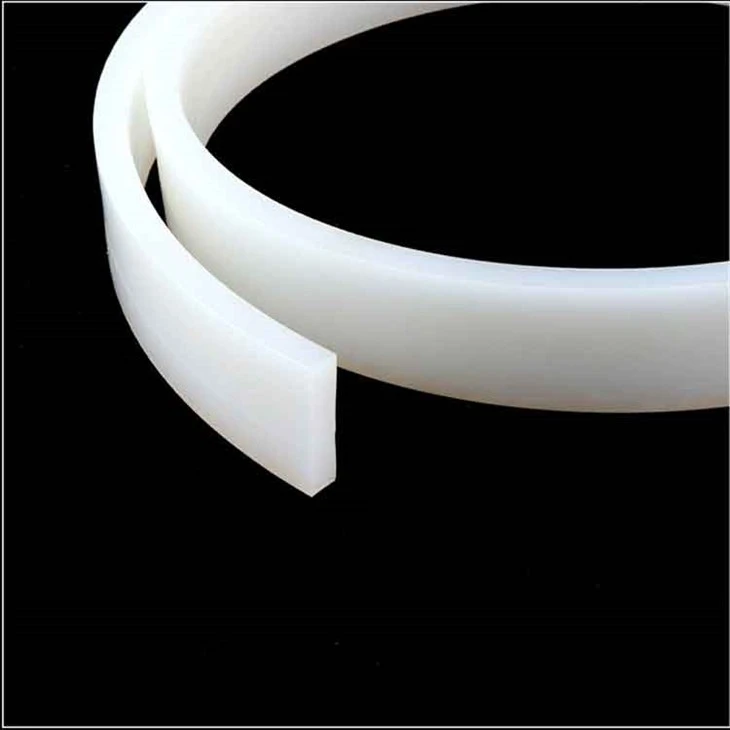
Guide conveyor belts may require more specialized materials, especially for the guides. The guides need to be made of a material that is durable enough to withstand constant contact with the items being transported. Some guide conveyor belts use materials like Silicone Oven Door Seal, which is not only durable but also resistant to high temperatures. This makes it suitable for use in industries like baking, where the conveyor belt may be exposed to hot ovens.
In terms of durability, both types can last a long time if properly maintained. But guide conveyor belts may need a bit more attention because the guides can be subject to more wear and tear.
5. Cost
Cost is always an important factor when choosing a conveyor belt.
Regular conveyor belts are generally more affordable. They have a simpler design and use more common materials, which keeps the cost down. This makes them a great option for businesses on a tight budget.
Guide conveyor belts, on the other hand, are usually more expensive. The cost of adding the guides, along with the potentially more specialized materials, drives up the price. However, the increased precision and functionality they offer can often make them worth the extra investment for businesses that need that level of accuracy.
6. Maintenance
Maintenance for regular and guide conveyor belts also has its differences.
Regular conveyor belts are relatively easy to maintain. You mainly need to keep them clean, check for signs of wear, and make sure the tension is correct. If there's a problem, it's usually pretty straightforward to fix.
Guide conveyor belts require a bit more maintenance. You need to regularly inspect the guides for damage or wear. If a guide becomes loose or damaged, it can affect the performance of the entire belt. Also, you need to ensure that the alignment of the guides is correct to keep the items moving smoothly.
Our Guide Conveyor Belts
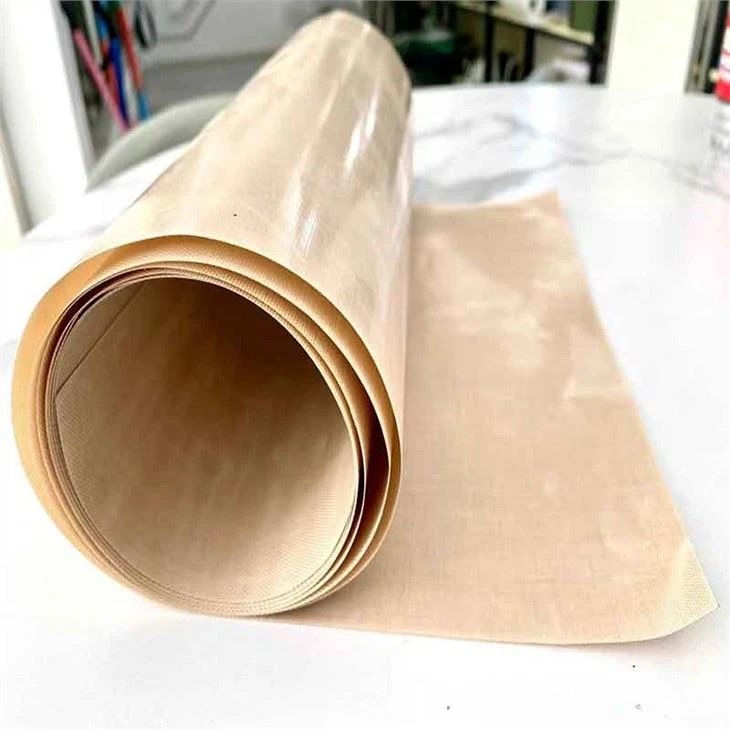
As a supplier of guide conveyor belts, we offer a wide range of options. We use high - quality materials like Ptfe Conveyor Belt, Teflon Conveyor Belt, Ptfe Seamless Fusing Machine Belt, and Silicon Conveyor Belt to ensure durability and performance.
Our guide conveyor belts are designed to meet the specific needs of different industries. Whether you're in the food, electronics, or automotive sector, we can provide you with a customized solution. Our team of experts can help you choose the right belt for your application, and we also offer excellent after - sales service to make sure you get the most out of your purchase.
Conclusion
In conclusion, regular conveyor belts and guide conveyor belts have distinct differences in design, functionality, applications, material, cost, and maintenance. Regular conveyor belts are great for general - purpose, high - volume transportation, while guide conveyor belts offer precision and control for specialized applications.
If you're thinking about upgrading your conveyor system or need a new belt for a specific task, don't hesitate to reach out. We're here to help you make the best decision for your business. Whether it's the right type of belt or the perfect guide configuration, we've got the knowledge and expertise to provide you with a top - quality solution. Contact us today to discuss your requirements and get a quote.