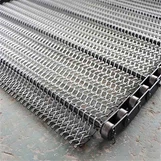
Hey there! As a guide conveyor belt supplier, I've seen firsthand the many challenges that come with keeping these essential pieces of equipment in top shape. One of the most common issues we encounter is the growth of mold on guide conveyor belts. In this blog post, I'll share what I've learned about the impact of mold on guide conveyor belts and why it's so important to address this problem as soon as possible.
What is Mold and How Does it Grow on Guide Conveyor Belts?
Mold is a type of fungus that thrives in warm, moist environments. It can grow on a variety of surfaces, including guide conveyor belts. When mold grows on a conveyor belt, it can cause a number of problems, including reduced performance, increased wear and tear, and even health risks for workers.
There are several factors that can contribute to the growth of mold on guide conveyor belts. One of the most common is moisture. If the conveyor belt is exposed to water or other liquids, it can create a perfect environment for mold to grow. This can happen if the belt is used in a wet or humid environment, or if it is not properly cleaned and dried after use.
Another factor that can contribute to mold growth is poor ventilation. If the area where the conveyor belt is located is not well-ventilated, it can trap moisture and create a breeding ground for mold. This can be especially problematic in areas where the conveyor belt is used to transport food or other perishable items, as mold can contaminate these products and pose a health risk to consumers.


The Impact of Mold on Guide Conveyor Belt Performance
One of the most significant impacts of mold on guide conveyor belts is reduced performance. When mold grows on a conveyor belt, it can cause the belt to become slippery, which can lead to problems with tracking and alignment. This can result in the belt slipping off the rollers or getting stuck, which can cause downtime and reduce productivity.
In addition to reducing performance, mold can also cause increased wear and tear on the conveyor belt. The mold can eat away at the belt material, causing it to become brittle and more prone to cracking and tearing. This can lead to costly repairs and replacements, as well as increased maintenance costs.
The Health Risks of Mold on Guide Conveyor Belts
In addition to the impact on performance, mold on guide conveyor belts can also pose a health risk to workers. Mold can produce allergens and toxins that can cause respiratory problems, skin irritation, and other health issues. This can be especially problematic for workers who are exposed to the mold on a regular basis, such as those who work in food processing or manufacturing facilities.
To minimize the health risks associated with mold on guide conveyor belts, it's important to take steps to prevent mold growth in the first place. This can include keeping the conveyor belt clean and dry, ensuring proper ventilation in the area where the belt is located, and using mold-resistant materials for the belt and other components.
Preventing Mold Growth on Guide Conveyor Belts
Preventing mold growth on guide conveyor belts is essential for maintaining the performance and longevity of the equipment, as well as ensuring the health and safety of workers. Here are some tips for preventing mold growth on guide conveyor belts:
- Keep the conveyor belt clean and dry: Regularly clean the conveyor belt with a mild detergent and water, and dry it thoroughly after each use. This will help to remove any moisture and prevent mold from growing.
- Ensure proper ventilation: Make sure the area where the conveyor belt is located is well-ventilated. This will help to prevent moisture from accumulating and create a less favorable environment for mold growth.
- Use mold-resistant materials: When selecting a guide conveyor belt, choose a material that is resistant to mold growth. Some materials, such as Plastic Chain Conveyor Belt and Pvc Smooth Conveyor Belt, are designed to be more resistant to mold and other types of damage.
- Inspect the conveyor belt regularly: Regularly inspect the conveyor belt for signs of mold growth, such as discoloration or a musty odor. If you notice any signs of mold, take immediate action to clean and treat the belt.
Addressing Mold Growth on Guide Conveyor Belts
If you do notice mold growth on your guide conveyor belt, it's important to take immediate action to address the problem. Here are some steps you can take to remove mold from a conveyor belt:
- Stop using the conveyor belt: If you notice mold growth on the conveyor belt, stop using it immediately to prevent the mold from spreading.
- Clean the conveyor belt: Use a mild detergent and water to clean the conveyor belt thoroughly. Make sure to scrub the belt to remove any mold or mildew.
- Treat the conveyor belt: After cleaning the conveyor belt, treat it with a mold inhibitor to prevent future mold growth. There are a variety of mold inhibitors available on the market, so choose one that is appropriate for the type of conveyor belt you have.
- Inspect the conveyor belt regularly: After treating the conveyor belt, inspect it regularly to make sure the mold does not return. If you notice any signs of mold growth, take immediate action to clean and treat the belt again.
Conclusion
In conclusion, mold growth on guide conveyor belts can have a significant impact on the performance and longevity of the equipment, as well as the health and safety of workers. By taking steps to prevent mold growth and addressing it promptly when it does occur, you can ensure that your guide conveyor belt continues to operate at peak performance and provide reliable service for years to come.
If you're in the market for a guide conveyor belt or need help with maintenance and repair, don't hesitate to contact us. We're here to help you find the right solution for your needs and ensure that your conveyor belt is operating at its best.