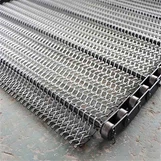
What is the joint method of a glossy conveyor belt?
As a supplier of glossy conveyor belts, I'm often asked about the joint methods of these essential industrial components. A proper joint is crucial for the smooth operation and longevity of a conveyor belt system. In this blog, I'll explore the different joint methods for glossy conveyor belts, their advantages, and considerations for choosing the right one.
Types of Joint Methods
1. Mechanical Joints
Mechanical joints are one of the most common ways to join conveyor belts. This method involves using metal fasteners such as clips, nails, or hooks to connect the two ends of the belt.
Advantages:
- Quick Installation: Mechanical joints can be installed relatively quickly, which means less downtime for the conveyor system. This is especially useful in situations where the conveyor needs to be up and running as soon as possible.
- Easy Repairs: If the joint becomes damaged, it can be easily replaced or repaired without the need for specialized equipment.
Disadvantages:
- Reduced Belt Strength: The presence of mechanical fasteners can weaken the belt at the joint area, making it more susceptible to damage and reducing its overall service life.
- Higher Noise Levels: The use of metal fasteners can create more noise during operation compared to other joint methods.
For applications where the conveyor belt needs to be frequently disassembled or where speed of installation is a priority, mechanical joints may be a suitable choice. However, for high - speed or heavy - duty applications, their limitations may make them less than ideal.
2. Hot Vulcanization Joints
Hot vulcanization is a more permanent and reliable joint method for glossy conveyor belts. This process involves heating the belt ends along with a special vulcanizing agent under pressure to create a seamless bond between the two ends.
Advantages:
- High Strength: Hot vulcanization joints are almost as strong as the original belt material, providing excellent resistance to wear, tear, and stress. This makes them suitable for high - speed and heavy - duty conveyor applications.
- Smooth Surface: The joint created by hot vulcanization is smooth, which helps to reduce the risk of product jams and damage to the conveyed materials.
- Long Service Life: Due to their high strength and durability, hot vulcanized joints can significantly extend the service life of the conveyor belt.
Disadvantages:
- Requires Specialized Equipment and Skills: Hot vulcanization requires specialized vulcanizing equipment and trained technicians to ensure a proper joint. This can increase the cost and complexity of the jointing process.
- Longer Installation Time: The hot vulcanization process takes longer compared to mechanical joints, which means more downtime for the conveyor system.
Hot vulcanization joints are often the preferred choice for critical conveyor applications where reliability and performance are of utmost importance.
3. Cold Vulcanization Joints
Cold vulcanization is a joint method that uses a chemical adhesive to bond the two ends of the conveyor belt together at room temperature.
Advantages:
- Convenience: Cold vulcanization can be carried out at the installation site without the need for expensive heating equipment. This makes it a more convenient option for on - site repairs and small - scale installations.
- Relatively Quick Installation: The jointing process is faster than hot vulcanization, resulting in less downtime for the conveyor system.
Disadvantages:
- Lower Strength Compared to Hot Vulcanization: Cold vulcanized joints are generally not as strong as hot vulcanized joints, especially in high - stress applications.
- Susceptible to Environmental Factors: The performance of cold vulcanized joints can be affected by factors such as temperature, humidity, and chemical exposure.
Cold vulcanization joints are suitable for applications where moderate strength is required and where the conveyor system is not subjected to extreme conditions.
Considerations for Choosing the Joint Method
When choosing the joint method for a glossy conveyor belt, several factors need to be considered:
1. Application Requirements
The type of application the conveyor belt is used for plays a significant role in determining the joint method. For example, in a high - speed packaging line, a smooth and strong joint is essential to prevent product jams and ensure efficient operation. In this case, hot vulcanization may be the best choice. On the other hand, in a light - duty material handling application where the belt needs to be frequently replaced or repaired, a mechanical joint may be more suitable.
2. Belt Material
The material of the conveyor belt also affects the choice of joint method. Different belt materials may have different compatibility with various jointing techniques. For example, some synthetic rubber belts may require specific vulcanizing agents for hot or cold vulcanization to achieve a proper bond.
3. Cost
Cost is always a consideration in any industrial decision. Mechanical joints are generally the most cost - effective option in terms of initial installation, as they do not require specialized equipment. However, over the long term, the reduced service life of mechanical joints may result in higher replacement costs. Hot vulcanization, while more expensive upfront, can provide significant savings in the long run due to its longer service life and better performance.
4. Downtime
The amount of downtime that can be tolerated for the conveyor system is another important factor. If minimizing downtime is a priority, mechanical joints or cold vulcanization may be more appropriate due to their quicker installation times.
Our Product Offerings and Related Applications
At our company, we offer a wide range of glossy conveyor belts suitable for various applications. Our Label Stick Machine Belt is designed for use in label sticking machines, where a smooth and precise conveyor surface is required. The choice of joint method for this belt will depend on the specific requirements of the machine, such as speed and accuracy.
For applications that require a durable and high - friction surface, our Diamond PVC Conveyor Belt is an excellent option. The diamond pattern provides enhanced grip and traction, making it suitable for heavy - duty material handling. We recommend hot vulcanization joints for this type of belt to ensure maximum strength and performance.
Our Blue Diamond Conveyor Belt is another popular product, known for its excellent durability and resistance to wear. It can be used in a variety of industries, including food processing and packaging. Depending on the application, you can choose from mechanical, hot vulcanization, or cold vulcanization joints.
Contact Us for Procurement and Consultation
If you're in the market for a high - quality glossy conveyor belt or need more information about joint methods, we're here to help. Our team of experts can provide you with detailed advice on choosing the right belt and joint method for your specific application. We understand the importance of a reliable conveyor system in your business, and we're committed to providing you with the best products and services.
Whether you have a small - scale operation or a large - scale industrial facility, we have the right solutions for you. Feel free to contact us to discuss your requirements and start a fruitful cooperation.
References
- Conveyor Belt Handbook, published by a leading industry association
- Technical papers on conveyor belt technology and jointing methods from research institutions
This blog provides a detailed overview of the joint methods for glossy conveyor belts. By understanding the different jointing techniques and considering the relevant factors, you can make an informed decision to ensure the optimal performance of your conveyor system.