

As a supplier of Guide Bar Conveyor Belts, I understand that noise reduction is a critical concern for many industries using these conveyor belts. Excessive noise can not only cause discomfort to workers but also pose a risk to their hearing and may even violate environmental noise regulations. In this blog, I will explore various noise - reduction methods for guide bar conveyor belts and provide some practical advice.
Understanding the Sources of Noise in Guide Bar Conveyor Belts
Before discussing the noise - reduction methods, it is essential to understand where the noise comes from. The noise in a guide bar conveyor belt system can be generated from multiple sources:
- Friction: The interaction between the conveyor belt and the guide bars, as well as between the belt and other components such as rollers or pulleys, can produce friction noise. For example, when the belt moves across the guide bars, the rough surfaces may rub against each other, creating vibrations that are transmitted as sound waves.
- Vibrations: Uneven loading on the conveyor belt, misaligned components, or the operation of the drive system can cause the belt and other parts of the conveyor to vibrate. These vibrations are then converted into audible noise.
- Impact: When products are loaded onto or unloaded from the conveyor belt, or when there are collisions between the belt and other objects in the system, impact noise can occur.
Noise Reduction Methods
1. Material Selection
Belt Material
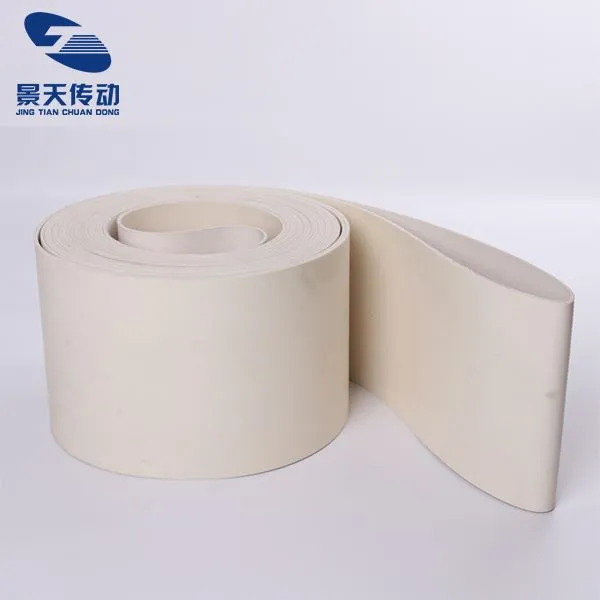
- Using high - quality and low - friction conveyor belt materials can significantly reduce noise. For example, the Silicon Conveyor Belt has a smooth surface, which can minimize friction between the belt and the guide bars compared to some rougher belt materials. Its flexibility also allows it to adapt well to the conveyor system, reducing vibrations and noise.
- The Heat Resistant Silicone Conveyor Belt not only has heat - resistant properties but also offers good noise - dampening characteristics. The silicone material can absorb some of the vibrations generated during the operation of the conveyor belt, thus reducing the amount of noise emitted.
- Ptfe Mesh Conveyor Belt is another option. The PTFE coating on the mesh reduces friction and is highly resistant to wear, which helps in reducing noise that is often caused by the deterioration of the belt surface over time.
Guide Bar Material
Choosing guide bars made of low - friction materials can also lower noise levels. For instance, some guide bars are made of polymers or composite materials that have a lower coefficient of friction compared to metal guide bars. These materials reduce the rubbing noise between the guide bars and the conveyor belt.

2. Lubrication
Applying lubricants to the contact points between the conveyor belt and the guide bars can reduce friction. However, it is important to choose the right type of lubricant. A dry - film lubricant is often a good choice as it can provide long - lasting lubrication without attracting dirt or debris, which could potentially increase noise by causing additional friction or blockages.
Lubrication reduces the wear and tear on both the conveyor belt and the guide bars, which in turn helps to keep the noise level down. Regular lubrication maintenance should be carried out according to the manufacturer's recommendations to ensure optimal performance.
3. Alignment and Tensioning
Proper alignment of the conveyor belt and all its components is crucial for noise reduction. Misaligned conveyor belts can cause uneven stress and increased friction, leading to excessive noise. Regularly check and adjust the alignment of the belt, guide bars, rollers, and pulleys.
Correct tensioning of the conveyor belt is also essential. An over - tensioned belt can put excessive stress on the guide bars and other components, causing vibrations and noise. On the other hand, an under - tensioned belt may slip, which can also generate noise. Use tensioning devices to maintain the appropriate belt tension.
4. Vibration Damping
Installing vibration - damping devices can help absorb and dissipate the vibrations generated by the conveyor belt system. For example, rubber mounts or pads can be placed under the conveyor frame or rollers. These materials can reduce the transmission of vibrations to the surrounding environment, thereby reducing noise.
In addition, some conveyor systems use internal damping mechanisms within the belt itself. For instance, belts with special internal structures or materials that can absorb vibrations can be very effective in noise reduction.
5. Enclosure and Soundproofing
Building an enclosure around the conveyor belt system can be an effective way to contain the noise. The enclosure can be made of sound - absorbing materials such as acoustic panels. These panels can absorb the sound waves generated by the conveyor belt, preventing them from spreading into the surrounding area.
However, when designing an enclosure, it is important to ensure proper ventilation and access for maintenance. Otherwise, the heat generated by the conveyor system may build up, and it may be difficult to perform routine inspections and repairs.
Practical Considerations
When implementing noise - reduction methods, it is important to consider the specific requirements of the conveyor belt system. For example, in a high - temperature environment, the materials used for noise reduction should be able to withstand the heat. In a food - processing industry, the lubricants and materials used must be food - grade to ensure product safety.
Regular maintenance is also crucial. Even with the best noise - reduction measures in place, the conveyor belt system will still wear over time. Regular inspections and maintenance can identify potential problems early and prevent the noise level from increasing.
Conclusion
Noise reduction in guide bar conveyor belts is a multi - faceted issue that requires a combination of proper material selection, lubrication, alignment, vibration damping, and soundproofing. As a guide bar conveyor belt supplier, I am committed to providing high - quality products and solutions to help our customers reduce noise in their conveyor systems.
If you are interested in learning more about our guide bar conveyor belts or need advice on noise - reduction methods for your specific application, please contact us for a detailed discussion. Our team of experts is ready to assist you in finding the most suitable solutions for your needs.


