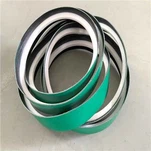
I. Material Quality: The Foundation Determines the Upper Limit
The durability of a PVC conveyor belt primarily depends on the raw materials and manufacturing process. Products using virgin PVC material and a high-strength polyester fiber skeleton have high tensile strength, wear resistance, good oxidation resistance, and slow aging. In contrast, inferior belts using recycled materials or filled with large amounts of calcium carbonate are prone to hardening and brittleness, quickly developing cracks and delamination, significantly shortening their lifespan.
II. Operating Environment: A Key External Factor Accelerating Aging
Temperature Influence: PVC is sensitive to temperature. Prolonged operation at temperatures above 60℃ will cause the material to soften and stick together, accelerating aging by 3-5 times; below -20℃, it becomes brittle and prone to breakage. High-temperature or cold-resistant modified models can effectively mitigate this problem.
Humidity and Chemical Corrosion: Humid environments easily lead to water absorption and mold growth in the skeleton layer, reducing overall strength; contact with acids, alkalis, oils, and other chemicals will cause corrosion, damaging the PVC molecular structure and causing surface peeling or hardening.
Ultraviolet Radiation: Prolonged exposure to sunlight, especially for outdoor conveyor belts, can cause discoloration, embrittlement, and cracking due to ultraviolet radiation, severely impacting their lifespan.
Operating Conditions: Operating methods directly affect wear and tear.
Load Conditions: Long-term overload operation can cause uneven stress distribution within the conveyor belt, leading to tensile deformation, fiber breakage, and potentially shortening its lifespan by more than half. It should be used strictly according to the design load capacity.
Operating Speed and Start/Stop Frequency: High-speed operation increases frictional heat, while frequent starts and stops generate impact forces, exacerbating belt fatigue damage.
Belt Misalignment and Slippage: Improper conveyor belt operation and continuous edge friction against the frame can cause severe localized wear; slippage leads to localized high temperatures, accelerating aging and even burning the belt surface.
Installation and Maintenance: Key aspects controllable by humans.
Tension Adjustment: Excessive tension increases tensile fatigue, while insufficient tension easily leads to slippage and wear, both inducing early damage. Appropriate tension should be set according to equipment requirements.
Foreign Object Removal: Sharp impurities mixed in the material can scratch the belt surface, forming the starting point for cracks. Regularly remove surface debris, dust, and oil.
Joint Inspection: Uneven joints or poor adhesion increase the risk of breakage. Regularly check joints to ensure a secure connection.
V. How to Extend Service Life?
Precise Selection: Choose special PVC conveyor belts such as high-temperature resistant, cold-resistant, oil-resistant, or anti-static belts based on actual working conditions to avoid underloading.
Proper Installation: Ensure roller alignment, smooth transitions, and appropriate tension to reduce mechanical wear.
Regular Maintenance: Establish a cleaning and inspection system to promptly identify and address issues such as misalignment and damage.
Avoid Sun Exposure and Water Accumulation: Install sunshades for outdoor use; in humid environments, ensure proper drainage and mold prevention.