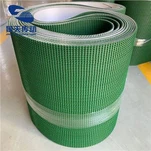
1. Drying
After cleaning, thoroughly dry the conveyor belt surface and crevices to prevent residual moisture that could cause mold or slippage. Wipe with a dry cloth or use an air dryer for auxiliary drying.
2. Lubrication and Corrosion Prevention
Lubricated Components: Use a specialized lubricant (such as food-grade silicone grease) for lubricated areas, such as rollers and idler bearings, to reduce friction and extend belt life.
Corrosion Prevention: Avoid contact with strong acids, bases, or organic solvents to prevent aging of the PVC material.
3. Regular Inspection and Adjustment
Tensioning: Check the belt tensioner to ensure it is properly tensioned (overtightening accelerates wear, while overtightening can cause slippage).
Deviation Monitoring: Adjust idlers or guides to prevent the belt from wandering and causing edge wear.
Joints and Wear: Check for cracks in the joints and wear on the belt body, and repair or replace them promptly. 4. Environmental Adaptability Maintenance
Moisture and Dust Protection: In humid environments, waterproofing measures should be strengthened (such as installing rain covers). In dusty environments, rollers should be cleaned regularly to prevent dust buildup.
High-Temperature Resistant: For use in high-temperature environments (such as food sterilization), use high-temperature-resistant PVC conveyor belts and avoid direct contact with heat sources.
5. Long-Term Maintenance
Clean and dry thoroughly before use. Store in a cool, dry place (18-40°C, 50-80% humidity), away from direct sunlight or folding.