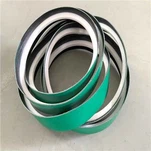
I. Dry Cleaning Method: Suitable for removing dust and particulate matter.
When the conveyor belt surface only has dust, powder, or fine particles, dry cleaning is recommended. It requires no water and is suitable for humidity-sensitive environments.
1. Soft Brush Cleaning: Use a nylon or boar bristle soft brush to gently brush along the running direction to remove surface dust and debris, paying special attention to joints and roller gaps.
2. Vacuum Cleaning: Use an industrial vacuum cleaner to clean up fine dust that is difficult to brush off, especially suitable for electronics workshops or cleanroom environments.
3. Compressed Air Blowing: Use low-pressure compressed air (pressure ≤ 0.3MPa) to blow away dust accumulated in hard-to-reach areas, avoiding high-pressure damage to the belt.
✅ Advantages: Quick operation, no residue, prevents moisture from causing mold or slippage.
II. Wet Cleaning Method: For Oil and Sticky Residues
For stubborn contaminants such as grease, sauces, and adhesives, wet cleaning is necessary, using a neutral or specialized cleaner to enhance removal.
1. Neutral Cleaner Wiping: Dilute food-grade neutral detergent at 5-8 ml per liter of water. Dampen a soft cloth with warm water (30-40℃) and wipe gently along the grain. Rinse thoroughly with water twice.
2. Baking Soda Solution Cleaning: Soak or apply a 5% baking soda solution to the oily area. Let it sit for 10 minutes, then scrub. This effectively emulsifies animal and vegetable oils.
3. Enzyme Cleaner Treatment: For complex stains containing protein and starch (such as food residue), soak in an enzyme cleaner containing protease for 10 minutes for more thorough decomposition of organic matter.
✅ Note: Water temperature should not exceed 50℃ to avoid PVC deformation; do not use strong acids or alkalis to prevent surface cracking.
III. Steam Cleaning Method: Highly Effective Disinfection with No Chemical Residue
1. In high-hygiene environments (such as the food and pharmaceutical industries), steam nozzles can be used for even spraying, with the temperature controlled between 60–100℃.
2. Steam can penetrate micropores to sterilize and remove stubborn oil stains without damaging materials.
3. After cleaning, allow to air dry or wipe dry with a cloth to avoid slipping.
✅ Advantages: No chemical residue, meets FDA hygiene standards.
IV. Deep Treatment with Specialized Cleaning Agents
For industrial-grade oil stains or long-term buildup, PVC-specific cleaning agents can be used for intensive cleaning.
1. Conveyor Belt Cleaning Agents
Industrial-grade products such as NDC-608 and CY131 can quickly dissolve contaminants such as grease and metal shavings, suitable for pretreatment of rubber, PVC, and metal parts.
2. Operation Method
After spraying or brushing, let stand for 5–10 minutes, then wipe with a soft cloth, finally rinse with clean water and dry thoroughly.
⚠️ Tip: Choose environmentally friendly products to avoid harmful solvents that could affect human health and the environment.
V. Ultrasonic Cleaning Method (Suitable for Removable Parts)
For small or removable PVC conveyor components, an ultrasonic cleaner can be used to thoroughly clean tiny crevices using the cavitation effect.
Suitable for conveyor belt modules or roller assemblies in precision equipment.
Frequency and time must be controlled to prevent excessive vibration from damaging the material structure.
VI. Post-Cleaning Maintenance Points
1. Thorough Drying: Wipe dry with a dry cloth or use a fan to dry. Running in a damp condition can easily lead to slippage or electrical malfunctions.
2. Inspect Belt Condition: After cleaning, check for scratches and wear, and repair them promptly to prevent dirt accumulation.
3. Simultaneously Clean Transmission Components: Wipe rollers, idlers, and supports to prevent secondary contamination.