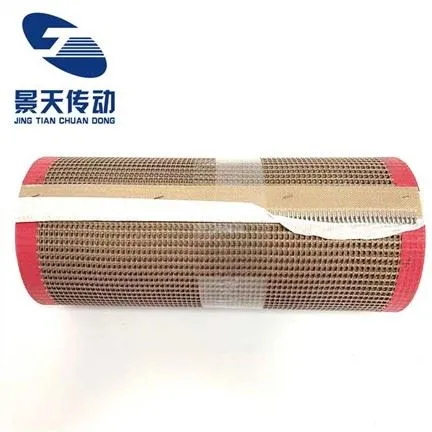
Hey there! As a supplier of red PVC conveyor belts, I often get asked a bunch of questions from customers. One question that pops up quite a bit is, "Can red PVC conveyor belts be used in high - humidity environments?" Well, let's dig into this topic and find out.
First off, let's understand what red PVC conveyor belts are. PVC stands for polyvinyl chloride, which is a synthetic plastic polymer. The red color is usually just for identification or aesthetic purposes. These belts are widely used in various industries because they're relatively affordable, flexible, and easy to install. They're great for light - to medium - duty applications like in food processing, packaging, and small parts handling.
Now, let's talk about high - humidity environments. High humidity means there's a lot of moisture in the air. This can come from natural sources like in tropical regions or from industrial processes such as steam cleaning, washing stations, or places near large bodies of water. In these environments, moisture can have a significant impact on materials.
When it comes to red PVC conveyor belts, there are both pros and cons of using them in high - humidity situations.
The Pros
- Resistance to Moisture: PVC itself has some level of resistance to water. This means that the belt won't immediately soak up water like a sponge. For short - term exposure to high humidity or in situations where the humidity isn't extremely high, the red PVC conveyor belt can hold up pretty well. For example, in a packaging facility where there's a bit of humidity from the nearby air - conditioning system, the belt can continue to function normally without any major issues.
- Easy to Clean: If the belt does get wet, it's relatively easy to clean. You can simply wipe it down with a dry cloth or use a mild cleaning solution. This is important in high - humidity environments where dirt and moisture can combine to create a sticky mess. Keeping the belt clean helps maintain its performance and extends its lifespan.
The Cons
- Swelling and Deformation: Over time, continuous exposure to high humidity can cause the PVC to swell. This swelling can lead to changes in the belt's dimensions, which can affect its performance. For instance, if the belt swells, it might not fit properly on the conveyor rollers, leading to slippage or misalignment. This can disrupt the production process and even cause damage to the conveyor system.
- Degradation of the Material: High humidity can also accelerate the degradation of the PVC material. The moisture can penetrate the belt's surface and break down the chemical bonds in the PVC. This can make the belt more brittle and prone to cracking. Once the belt starts to crack, it becomes less reliable and may need to be replaced sooner than expected.
- Mold and Mildew Growth: In high - humidity environments, there's a risk of mold and mildew growth on the belt. Mold and mildew not only look unappealing but can also cause health issues for workers if they come into contact with the belt. Moreover, mold growth can further damage the PVC material, weakening the belt and reducing its strength.
So, what can you do if you want to use red PVC conveyor belts in high - humidity environments?
Mitigation Strategies
- Proper Ventilation: Ensure that the area where the conveyor belt is installed has proper ventilation. Good ventilation helps reduce the humidity levels by allowing moist air to escape and fresh, dry air to circulate. You can install exhaust fans or open windows to improve air circulation.
- Regular Inspections: Conduct regular inspections of the belt. Check for signs of swelling, cracking, or mold growth. If you notice any issues early on, you can take corrective actions such as cleaning the belt, adjusting the tension, or replacing damaged sections.
- Use of Protective Coatings: Consider applying a protective coating to the belt. There are special coatings available that can enhance the belt's resistance to moisture and prevent mold growth. These coatings can add an extra layer of protection and extend the belt's lifespan in high - humidity environments.
As a supplier, I've seen many customers make successful use of red PVC conveyor belts in high - humidity situations by following these strategies. But it's important to note that every situation is different, and you need to assess the specific conditions of your environment.
Now, if you're in the market for conveyor belts, we also offer a range of other products that might be suitable for your needs. Check out our TK5 Pu Timing Belt With U Groove, which is great for precise timing applications. We're also a Flat PVC PU PVK Conveyor Belt Chinese Manufacturer, offering high - quality flat conveyor belts. And if you're looking for a Flat Transmission Belt, we've got you covered too.
If you're still unsure whether red PVC conveyor belts are the right choice for your high - humidity environment, or if you have any other questions about our products, don't hesitate to reach out. We're here to help you make the best decision for your business. Contact us, and let's start a conversation about your conveyor belt needs.


References
- "Plastics in Conveyor Belt Applications" - A technical guide on the use of plastics in conveyor systems.
- "Effects of Humidity on Industrial Materials" - A research paper on how humidity impacts different materials used in industrial settings.