Hey there! I'm a supplier of sponge conveyor belts, and today I want to chat about how humidity can affect these nifty pieces of equipment. You see, humidity is one of those environmental factors that can have a pretty big impact on how well a sponge conveyor belt performs. Let's dive right in and explore this topic in detail.
What's Humidity All About?
First things first, let's quickly define humidity. Humidity is basically the amount of water vapor in the air. It can vary depending on the location, time of day, and weather conditions. We usually measure it as relative humidity, which tells us what percentage of the air's maximum water - holding capacity is currently filled with water vapor.
Now, why does this matter for sponge conveyor belts? Well, sponge materials are porous, which means they can absorb and release moisture quite easily. And this interaction with humidity can lead to a whole bunch of changes in the belt's properties.
Effects on Belt Dimensions
One of the most noticeable effects of humidity on a sponge conveyor belt is the change in its dimensions. When the humidity is high, the sponge material absorbs water from the air. This extra moisture causes the sponge to swell. As a result, the belt can become wider and longer.
On the flip side, in low - humidity conditions, the sponge loses moisture to the dry air. This makes the belt shrink. These dimensional changes can be a real headache. For example, if the belt swells, it might not fit properly in the conveyor system. It could rub against the sides, causing friction and premature wear. And if it shrinks, it might become loose, leading to slipping and misalignment.
Impact on Belt Strength
Humidity also has an impact on the strength of the sponge conveyor belt. When the sponge absorbs water, its internal structure gets a bit soggy. The water molecules can weaken the bonds between the sponge's fibers or cells. This means that the belt becomes less strong and more prone to tearing.
In a high - humidity environment, you might notice that the belt starts to show signs of damage more quickly. Cracks can form more easily, and the belt might break under loads that it could handle just fine in normal conditions.
On the other hand, in low - humidity situations, the sponge can become brittle. The lack of moisture makes the material stiff, and it loses its flexibility. This brittleness can also lead to cracking and breakage, especially when the belt is subjected to bending or stretching.
Influence on Friction
Friction is another important factor in the operation of a conveyor belt. Humidity can change the friction between the belt and the conveyor rollers or the items being transported.
In high - humidity conditions, the surface of the sponge belt can become wet. This wet surface reduces the friction between the belt and the rollers. As a result, the belt might slip, and the conveyor system might not work as efficiently. You might see the belt moving slower than it should or not moving at all in some cases.
In low - humidity environments, the dry sponge surface can have an increased friction coefficient. This can be a problem too, as it can put extra stress on the conveyor motor and other components. It might also cause excessive wear on the belt and the rollers.
Consequences for Belt Lifespan
All these effects of humidity on the sponge conveyor belt add up to a significant impact on its lifespan. High humidity can accelerate the degradation of the belt material. The swelling, weakening, and increased wear and tear mean that the belt will need to be replaced more frequently.
Low humidity is also not great for the belt's longevity. The brittleness and cracking caused by dry conditions can lead to a shorter lifespan as well. So, maintaining the right humidity level is crucial if you want your sponge conveyor belt to last as long as possible.
How to Mitigate the Effects of Humidity
As a sponge conveyor belt supplier, I know that dealing with humidity is a real challenge. But there are some steps you can take to minimize its impact.
First, you can control the humidity in the environment where the conveyor system is located. This can be done using humidifiers or dehumidifiers. By keeping the relative humidity within a certain range, you can reduce the dimensional changes, strength loss, and friction issues.
Another option is to choose a sponge material that is more resistant to humidity. Some types of sponge are designed to be less affected by moisture. They have better water - repellent properties or can withstand changes in humidity without significant damage.
Regular maintenance is also key. Inspect the belt regularly for signs of damage, such as swelling, cracking, or excessive wear. Replace the belt as soon as you notice any serious issues to prevent further problems.
Related Products
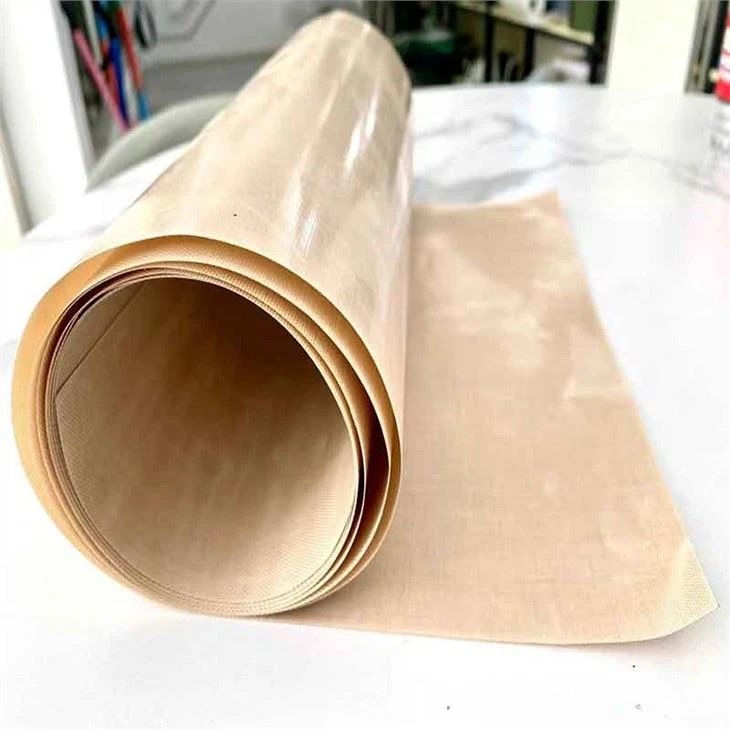
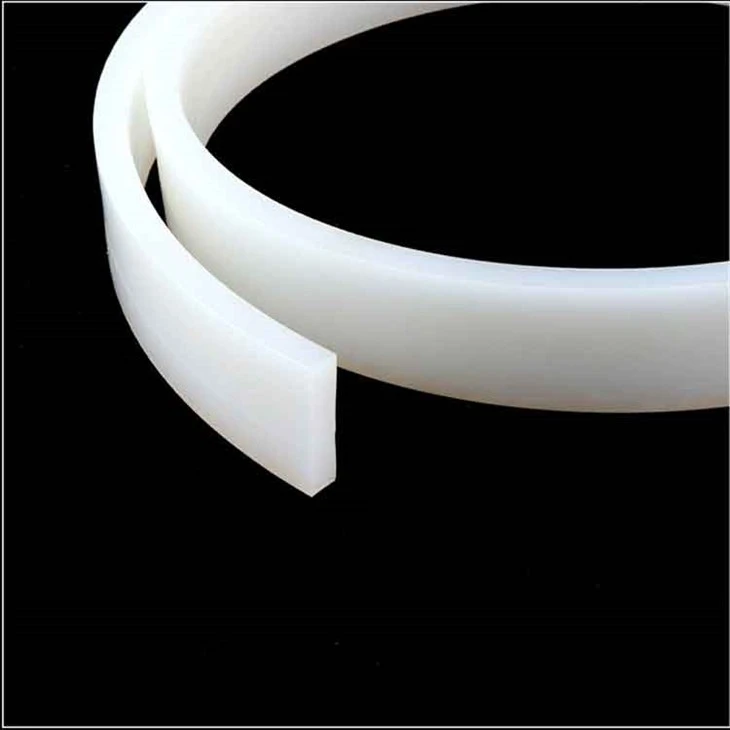
If you're looking for other types of conveyor belts that might be more suitable for certain humidity conditions or other applications, we also offer some great alternatives. Check out our Silicone Oven Door Seal, which is known for its high - temperature resistance and can be a good option in some industrial settings. We also have the Ptfe Conveyor Belt, which has excellent chemical resistance and can handle a wide range of environmental conditions. And don't forget about our Heat Resistant Conveyor Belt, perfect for applications where high temperatures are involved.
Time to Connect
If you're in the market for a sponge conveyor belt or any of our other products, I'd love to hear from you. Whether you have questions about how humidity affects the belts, need advice on choosing the right one for your application, or are ready to make a purchase, just reach out. We're here to help you find the best solution for your conveyor needs.