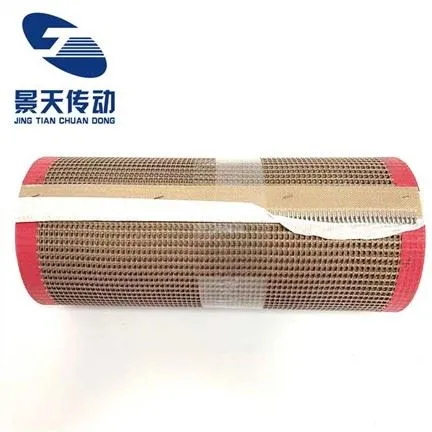
As a seasoned supplier of Guide Bar Conveyor Belts, I understand the critical role that proper tension adjustment plays in the efficient operation of conveyor systems. Incorrect tension can lead to a host of problems, including belt slippage, premature wear, and reduced productivity. In this blog post, I will share some practical tips on how to adjust the tension of a guide bar conveyor belt effectively.
Understanding the Importance of Proper Belt Tension
Before delving into the adjustment process, it's essential to grasp why maintaining the right tension is so crucial. A conveyor belt that is too loose may slip on the pulleys, causing inconsistent movement and potentially leading to product jams. On the other hand, an overly tight belt can put excessive stress on the conveyor components, such as the bearings and motors, resulting in increased energy consumption and a shorter lifespan for the belt and other parts.
Proper tension ensures that the belt runs smoothly and quietly, with minimal vibration. It also helps to maintain the correct tracking of the belt, preventing it from wandering off to one side and causing damage to the guide bars or other conveyor structures.
Tools Required for Tension Adjustment
To adjust the tension of a guide bar conveyor belt, you will need a few basic tools:
- Wrenches: Depending on the type of conveyor system, you may need different sizes of wrenches to loosen and tighten the bolts that hold the tensioning mechanism.
- Tension Gauge: A tension gauge is a useful tool for measuring the tension of the belt accurately. It allows you to ensure that the tension is within the recommended range for your specific conveyor belt.
- Measuring Tape: A measuring tape can be used to measure the distance between the pulleys and to check the alignment of the belt.
Step-by-Step Guide to Adjusting Belt Tension
Here is a step-by-step process for adjusting the tension of a guide bar conveyor belt:
Step 1: Stop the Conveyor System
Before making any adjustments, it's crucial to turn off the conveyor system and ensure that it is completely stopped. This will prevent any accidents or injuries during the adjustment process.
Step 2: Locate the Tensioning Mechanism
The tensioning mechanism is usually located at the end of the conveyor, near the drive pulley or the idler pulley. It may consist of bolts, nuts, or a threaded rod that allows you to adjust the position of the pulley and change the tension of the belt.
Step 3: Loosen the Tensioning Bolts
Using the appropriate wrench, loosen the bolts that hold the tensioning mechanism in place. This will allow you to move the pulley and adjust the tension of the belt.
Step 4: Measure the Belt Tension
If you have a tension gauge, use it to measure the tension of the belt. The recommended tension will depend on the type and size of the conveyor belt, as well as the specific application. Refer to the manufacturer's guidelines or specifications for the correct tension range.
If you don't have a tension gauge, you can use a simple method to estimate the tension. Gently press down on the belt midway between the pulleys. The belt should deflect about 1/64 to 1/32 of an inch per inch of belt span. For example, if the distance between the pulleys is 36 inches, the belt should deflect about 1/2 to 1 inch when pressed down.
Step 5: Adjust the Tension
Based on the measurement, adjust the tension of the belt by moving the pulley. If the belt is too loose, move the pulley away from the other pulley to increase the tension. If the belt is too tight, move the pulley closer to the other pulley to decrease the tension.
Tighten the tensioning bolts gradually, checking the tension regularly as you go. Make small adjustments at a time to avoid over-tightening or under-tightening the belt.
Step 6: Check the Belt Tracking
After adjusting the tension, start the conveyor system and check the tracking of the belt. The belt should run straight and centered on the pulleys. If the belt is wandering to one side, you may need to make further adjustments to the tension or the alignment of the pulleys.
Step 7: Recheck the Tension
Once the belt is running smoothly and tracking correctly, stop the conveyor system again and recheck the tension using the tension gauge or the deflection method. Make any final adjustments if necessary to ensure that the tension is within the recommended range.


Common Problems and Solutions
During the tension adjustment process, you may encounter some common problems. Here are some solutions to these problems:
Problem 1: Belt Slippage
If the belt is slipping on the pulleys, it may be due to insufficient tension. Check the tension of the belt and adjust it as needed. You may also need to clean the pulleys to remove any dirt, grease, or debris that could be causing the slippage.
Problem 2: Belt Tracking Issues
If the belt is wandering to one side, it may be due to uneven tension or misaligned pulleys. Check the tension of the belt on both sides and make sure it is equal. You may also need to adjust the alignment of the pulleys using shims or other adjustment methods.
Problem 3: Excessive Belt Wear
If the belt is showing signs of excessive wear, it may be due to over-tensioning or improper tracking. Check the tension of the belt and make sure it is within the recommended range. You may also need to check the alignment of the pulleys and the guide bars to ensure that the belt is running smoothly.
Conclusion
Proper tension adjustment is essential for the efficient and reliable operation of a guide bar conveyor belt. By following the steps outlined in this blog post and using the right tools, you can ensure that your conveyor belt is tensioned correctly and running smoothly.
If you have any questions or need further assistance with adjusting the tension of your guide bar conveyor belt, please don't hesitate to contact us. We are a leading supplier of Pvc Conveyor Belt With Guide Strip, T5 Seamless Pu Timing Belt With Steel Core, and Flat Canvas Conveyor Belt, and we have the expertise and experience to help you find the right solution for your specific needs.
We invite you to contact us for more information and to discuss your procurement requirements. Our team of experts is ready to assist you in selecting the best conveyor belt for your application and ensuring its proper installation and maintenance.
References
- Conveyor Belt Manufacturer's Manuals
- Industry Standards and Guidelines for Conveyor Belt Tensioning