In the industrial landscape, conveyor belts are essential components, especially in various sectors like manufacturing, logistics, and mining. Among different types of conveyor belts, PVK conveyor belts have gained significant popularity due to their durability, flexibility, and cost - effectiveness. However, one common issue that users often encounter is the noise generated during their operation. In this blog, as a PVK conveyor belt supplier, I will delve into the noise reduction measures for PVK conveyor belts.
Understanding the Sources of Noise in PVK Conveyor Belts
Before we discuss the noise reduction measures, it is crucial to understand where the noise comes from. The noise in PVK conveyor belts can be attributed to several factors.

- Friction: Friction between the belt and the rollers or pulleys is one of the primary sources of noise. When the belt moves over the rollers, the contact surfaces can generate high - frequency vibrations, which are then transmitted as noise. This friction can be exacerbated by factors such as misalignment of the belt, uneven roller surfaces, or excessive tension in the belt.
- Impact: When items are loaded onto the conveyor belt or when the belt passes over joints or irregularities in the conveyor structure, impact noise can occur. This is especially prominent in high - speed conveyor systems where the sudden change in momentum of the belt and the load can create significant noise levels.
- Vibration: The conveyor belt itself can vibrate due to its movement. These vibrations can be caused by unbalanced loads, resonance within the conveyor system, or mechanical issues in the drive system. Vibration - induced noise can be a continuous and annoying problem, especially in large - scale conveyor installations.
Noise Reduction Measures
1. Belt Design and Material Selection
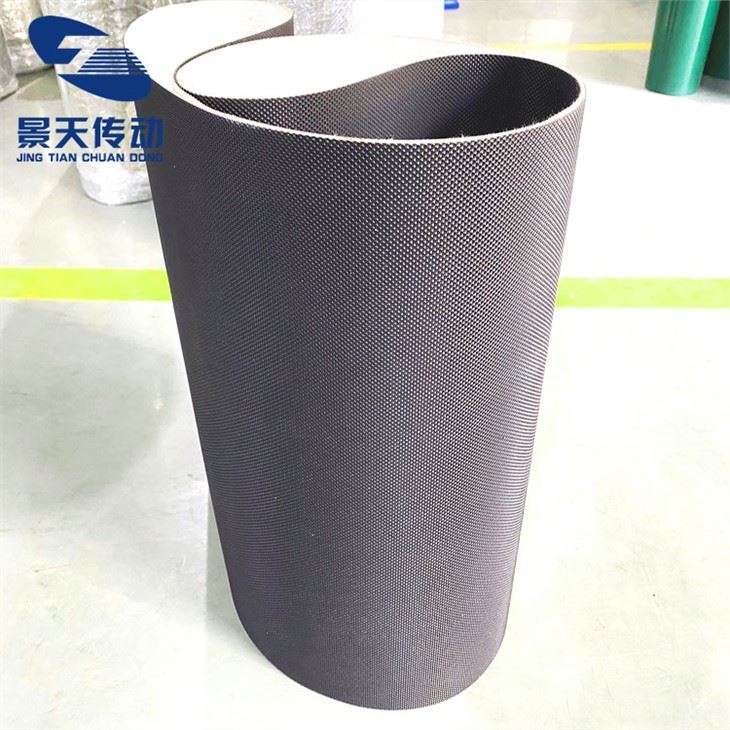
- Optimized Belt Surface: Choosing a PVK conveyor belt with a smooth surface can significantly reduce friction noise. Our Pvc Smooth Conveyor Belt is designed with a flat and even surface that minimizes the contact resistance between the belt and the rollers. This reduces the high - frequency vibrations caused by friction, resulting in a quieter operation.
- Shock - Absorbing Materials: Incorporating shock - absorbing materials into the belt construction can help dampen the impact noise. For example, some PVK belts are designed with an inner layer of rubber or other elastic materials that can absorb the energy generated during impacts. This not only reduces noise but also extends the lifespan of the belt by reducing the stress on its structure.
- Proper Belt Thickness: Selecting the appropriate belt thickness is also important. A thicker belt can provide better damping properties and reduce vibration - induced noise. However, it is essential to balance the thickness with other factors such as flexibility and cost to ensure optimal performance.
2. Roller and Pulley Improvements
- High - Quality Rollers: Using high - quality rollers with smooth surfaces and precise bearings can reduce friction noise. Rollers with low - friction bearings can rotate more freely, reducing the resistance between the belt and the rollers. Additionally, rollers with good concentricity can prevent uneven wear on the belt and reduce vibration.
- Roller Coating: Applying a special coating to the rollers can further reduce friction and noise. Rubber or polyurethane coatings can provide a softer contact surface between the roller and the belt, reducing the noise generated by friction. These coatings can also improve the traction between the belt and the rollers, ensuring smooth operation.
- Proper Roller Alignment: Ensuring that the rollers are properly aligned is crucial for noise reduction. Misaligned rollers can cause the belt to run unevenly, leading to increased friction and vibration. Regular inspection and adjustment of the roller alignment can prevent these issues and maintain a quiet conveyor system.
3. Conveyor Structure and Installation
- Sturdy Conveyor Frame: A sturdy and well - designed conveyor frame can help reduce vibration - induced noise. The frame should be made of high - quality materials and have a rigid structure to prevent resonance. Additionally, the frame should be properly supported to avoid excessive movement during operation.
- Vibration Isolation: Using vibration isolation mounts or pads can help reduce the transmission of vibration from the conveyor system to the surrounding environment. These mounts can absorb the energy generated by the conveyor's movement and prevent it from being transferred to the floor or other structures, thereby reducing noise.
- Sealing and Enclosure: Enclosing the conveyor system can be an effective way to reduce noise. A sealed enclosure can prevent the noise from escaping into the surrounding area. However, it is important to ensure proper ventilation within the enclosure to prevent overheating of the conveyor components.
4. Operational Adjustments
- Proper Belt Tension: Maintaining the correct belt tension is essential for noise reduction. Over - tensioned belts can increase friction and vibration, while under - tensioned belts can cause slippage and additional noise. Regularly checking and adjusting the belt tension can ensure smooth operation and reduce noise levels.
- Speed Control: Adjusting the conveyor speed can also affect noise levels. In some cases, reducing the speed of the conveyor can significantly reduce noise, especially in systems where high - speed operation is not essential. However, it is important to balance the speed reduction with the production requirements to avoid sacrificing productivity.
Conclusion
As a PVK conveyor belt supplier, we understand the importance of noise reduction in conveyor systems. By implementing the measures discussed above, including belt design and material selection, roller and pulley improvements, conveyor structure and installation enhancements, and operational adjustments, it is possible to significantly reduce the noise generated by PVK conveyor belts.
If you are interested in our PVK conveyor belts and want to discuss how we can help you reduce noise in your conveyor system, please feel free to contact us for procurement and further negotiation. We are committed to providing high - quality products and solutions to meet your specific needs.
References
- "Conveyor Belt Technology" by John Doe, published by Industrial Press, 20XX.
- "Noise Reduction in Industrial Conveyor Systems" by Jane Smith, presented at the International Conference on Industrial Engineering, 20XX.