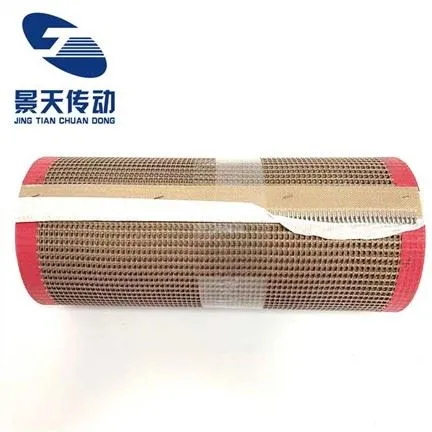
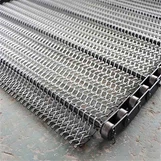
Hey there! As a supplier of Guide Bar Conveyor Belts, I know how crucial it is to keep these belts in top - notch condition. A damaged guide bar conveyor belt can lead to all sorts of problems, from production slowdowns to costly repairs. So, let's dive into how you can inspect your guide bar conveyor belt for damage.
Visual Inspection
The first step in inspecting a guide bar conveyor belt is a good old - fashioned visual check. Start by looking at the entire length of the belt. Check for any obvious signs of wear and tear, like cuts, tears, or fraying. These can often be caused by sharp objects in the material being conveyed or by improper alignment of the belt.
Pay special attention to the guide bars themselves. They should be firmly attached to the belt and free from any cracks or breaks. If you notice that a guide bar is loose or damaged, it needs to be replaced right away. A loose guide bar can cause the belt to wander off - track, leading to uneven wear and potential damage to the belt and the conveyor system.
Another thing to look for is any signs of misalignment. The belt should run smoothly along the conveyor, with the guide bars lining up perfectly with the tracking mechanisms. If the belt is running at an angle or if the guide bars are not in the right position, it could be a sign of a problem with the conveyor's alignment or with the belt installation.
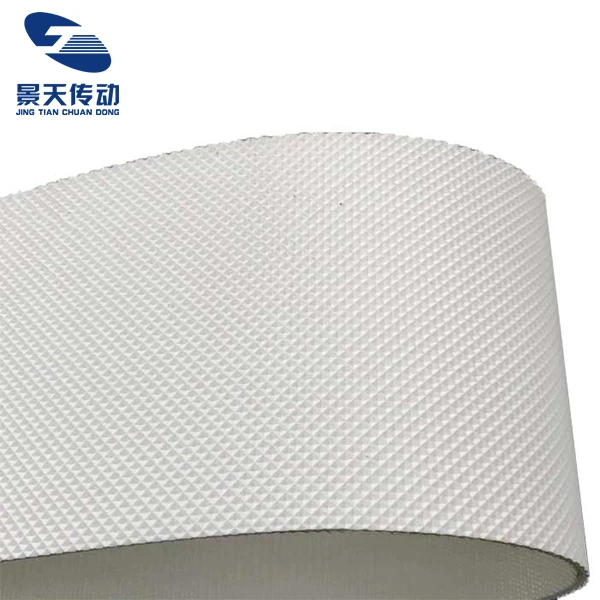
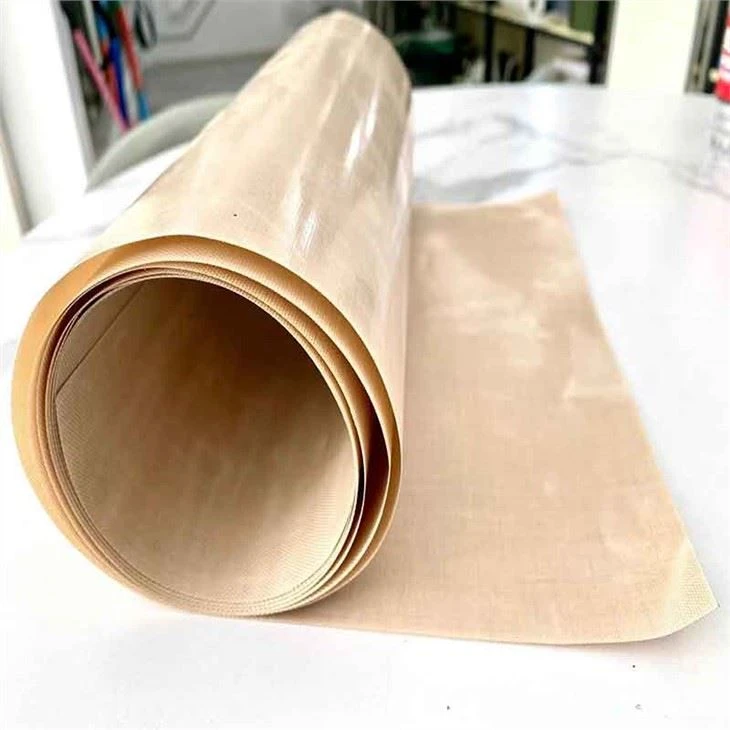
Check the Belt Surface
The surface of the guide bar conveyor belt is also important to inspect. Look for any signs of abrasion, which can be caused by friction between the belt and the material it's carrying or between the belt and the conveyor components. Abrasion can lead to a reduction in the belt's thickness over time, making it more prone to damage.
Check for any build - up of debris on the belt surface. This can happen if the material being conveyed contains small particles that stick to the belt. A build - up of debris can affect the belt's performance and cause it to wear out faster. You can use a soft brush or a compressed air gun to remove any debris from the belt surface.
Inspect the Belt Edges
The edges of the guide bar conveyor belt are often the first places to show signs of damage. Look for any signs of cracking, splitting, or curling at the edges. These issues can be caused by a variety of factors, such as excessive tension, improper handling, or exposure to harsh chemicals.
If you notice any damage to the belt edges, it's important to address it as soon as possible. Minor edge damage can sometimes be repaired, but more severe damage may require the replacement of the entire belt.
Evaluate the Belt Tension
Proper belt tension is essential for the smooth operation of a guide bar conveyor belt. Too much tension can cause the belt to stretch, leading to premature wear and damage. On the other hand, too little tension can cause the belt to slip, which can also lead to damage and reduced efficiency.
You can use a tension gauge to measure the belt tension. Make sure to follow the manufacturer's recommendations for the correct tension level. If the tension is too high or too low, you can adjust it by tightening or loosening the tensioning mechanism on the conveyor.
Examine the Conveyor Components
The condition of the conveyor components can also affect the performance of the guide bar conveyor belt. Check the rollers, pulleys, and idlers for any signs of damage or wear. Worn - out rollers or pulleys can cause the belt to run unevenly, leading to increased stress on the belt and potential damage.
Make sure that the rollers and pulleys are properly aligned and rotating freely. Any misalignment or binding can cause the belt to wear out faster. You may need to lubricate the moving parts of the conveyor to ensure smooth operation.
Look for Heat Damage
Some guide bar conveyor belts are used in high - temperature environments. In these cases, it's important to check for signs of heat damage. Heat can cause the belt material to become brittle, leading to cracking and splitting.
Look for any discoloration or charring on the belt surface. If you suspect heat damage, you may need to consider using a more heat - resistant belt, such as the Heat Resistant Conveyor Belt. This type of belt is designed to withstand high temperatures and can help prevent heat - related damage.
Check for Chemical Damage
If the guide bar conveyor belt is exposed to chemicals, it's important to check for signs of chemical damage. Chemicals can cause the belt material to deteriorate, leading to loss of strength and integrity.
Look for any changes in the belt's color, texture, or flexibility. If you notice any signs of chemical damage, you may need to use a more chemical - resistant belt, such as the Ptfe Conveyor Belt. This type of belt is resistant to a wide range of chemicals and can help protect the belt from chemical - related damage.
Inspect the Seams
If your guide bar conveyor belt has seams, it's important to inspect them carefully. Seams are often the weakest points on the belt and can be prone to damage. Look for any signs of separation, fraying, or stitching coming loose at the seams.
If you notice any damage to the seams, it's important to repair them as soon as possible. Depending on the type of seam and the extent of the damage, you may be able to repair it yourself or you may need to have it repaired by a professional.
Regular Inspections are Key
Inspecting your guide bar conveyor belt regularly is the key to preventing damage and ensuring its long - term performance. I recommend setting up a regular inspection schedule, such as once a week or once a month, depending on the usage of the conveyor.
By catching any potential problems early, you can save time and money on repairs and replacements. And if you're in the market for a new guide bar conveyor belt or any related products, like the Cake Machine Silicone Conveyor Belt, don't hesitate to reach out for a quote and start a procurement discussion.