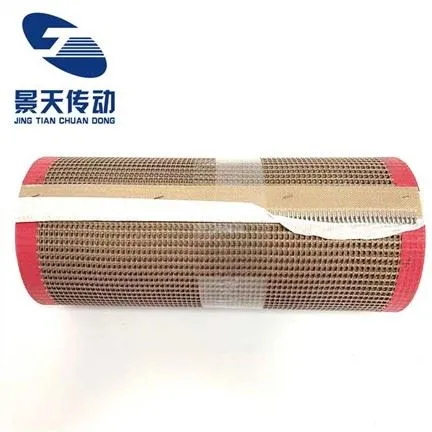
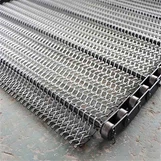
Adjusting the tension of a Matt Conveyor Belt is a crucial aspect of maintaining its optimal performance. As a supplier of Matt Conveyor Belts, I understand the significance of proper tensioning in ensuring smooth operation, minimizing wear and tear, and maximizing the lifespan of the belt. In this blog, I will share some essential tips and techniques on how to adjust the tension of a Matt Conveyor Belt effectively.
Understanding the Importance of Proper Tension
Before delving into the adjustment process, it's essential to understand why proper tension is so important. A conveyor belt that is too loose can cause slippage, which can lead to reduced efficiency, product damage, and increased wear on the belt and other components. On the other hand, a belt that is too tight can put excessive stress on the belt, bearings, and other parts, leading to premature failure and increased maintenance costs.
Proper tensioning ensures that the belt runs smoothly and efficiently, with minimal slippage and wear. It also helps to maintain the correct alignment of the belt, which is essential for preventing tracking problems and ensuring consistent product flow.
Tools and Equipment Needed
To adjust the tension of a Matt Conveyor Belt, you will need the following tools and equipment:
- Tensioning device: This can be a manual or automatic tensioner, depending on the type of conveyor system.
- Measuring tools: A tape measure or ruler to measure the belt tension.
- Wrenches or other tools: To adjust the tensioning device.
Step-by-Step Guide to Adjusting Belt Tension
The following steps outline the process of adjusting the tension of a Matt Conveyor Belt:
- Stop the conveyor: Before making any adjustments, ensure that the conveyor is stopped and the power is turned off to prevent any accidents.
- Locate the tensioning device: The tensioning device is typically located at the end of the conveyor or on the side of the frame. It may be a manual tensioner, such as a turnbuckle or a screw adjuster, or an automatic tensioner, such as a spring-loaded or hydraulic tensioner.
- Measure the belt tension: Use a tape measure or ruler to measure the distance between the belt and a fixed point on the conveyor frame. This measurement will give you an indication of the current tension of the belt.
- Adjust the tension: If the belt is too loose, turn the tensioning device clockwise to increase the tension. If the belt is too tight, turn the tensioning device counterclockwise to decrease the tension. Make small adjustments at a time and re-measure the belt tension after each adjustment.
- Check the belt alignment: After adjusting the tension, check the alignment of the belt to ensure that it is running straight and centered on the conveyor. If the belt is not aligned properly, it may cause tracking problems and premature wear.
- Test the conveyor: Once you have adjusted the tension and checked the alignment, start the conveyor and observe its operation. Make sure that the belt is running smoothly and that there is no slippage or excessive noise. If you notice any problems, stop the conveyor and make further adjustments.
Tips for Maintaining Proper Belt Tension
In addition to adjusting the tension of the belt, there are several other steps you can take to maintain proper belt tension and ensure the long-term performance of your conveyor system:
- Regularly inspect the belt: Check the belt for signs of wear, damage, or misalignment on a regular basis. Replace the belt if it shows any signs of excessive wear or damage.
- Keep the belt clean: Dirt, debris, and other contaminants can cause the belt to slip or wear prematurely. Regularly clean the belt to remove any dirt or debris.
- Lubricate the bearings: Proper lubrication of the bearings is essential for reducing friction and wear. Follow the manufacturer's recommendations for lubricating the bearings.
- Monitor the belt tension: Use a tension monitoring device to regularly check the tension of the belt. This will help you to detect any changes in tension and make adjustments as needed.
Our Product Offerings
As a supplier of Matt Conveyor Belts, we offer a wide range of high-quality conveyor belts to meet the needs of various industries. Our product offerings include:
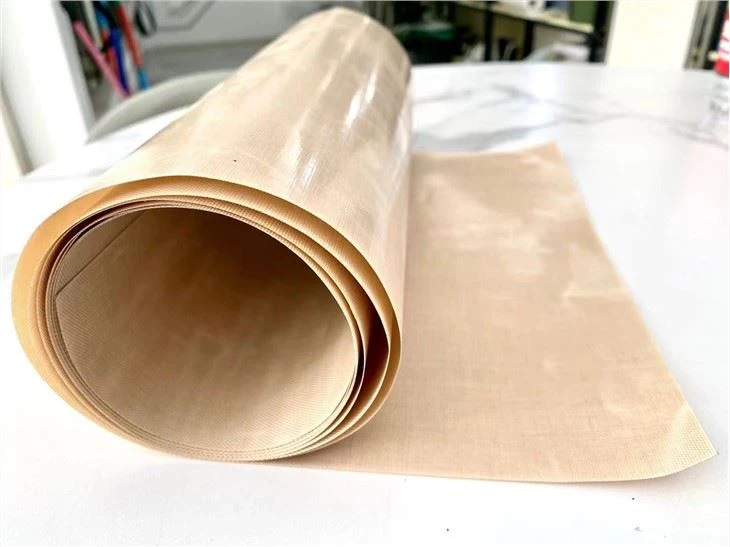

- Teflon Ptfe Coated Fiberglass Fabric Conveyor Belt: This type of conveyor belt is ideal for applications that require high temperature resistance and low friction.
- Dough Sheeter Belt: Our dough sheeter belts are designed to provide smooth and consistent dough handling, making them ideal for the food industry.
- Silicon Conveyor Belt: Silicon conveyor belts are known for their excellent heat resistance, flexibility, and chemical resistance, making them suitable for a wide range of applications.
Contact Us for Purchasing and Consultation
If you are in the market for a Matt Conveyor Belt or need further assistance with adjusting the tension of your existing belt, please feel free to contact us. Our team of experts is available to provide you with professional advice and guidance on selecting the right conveyor belt for your specific needs. We also offer a range of services, including installation, maintenance, and repair, to ensure the optimal performance of your conveyor system.