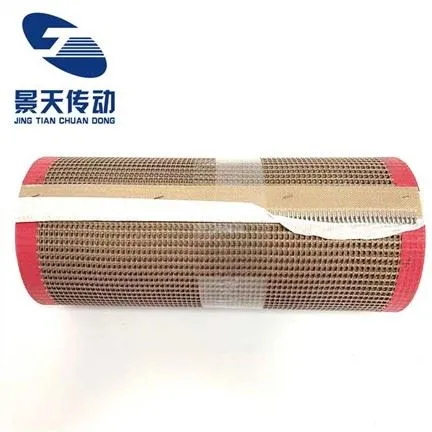
As a supplier of PVK conveyor belts, I've had the privilege of witnessing firsthand the intricate relationship between belt width and the performance of these essential industrial components. In this blog, I'll delve into the various effects that belt width can have on the performance of PVK conveyor belts, drawing on my experience in the industry.
1. Load - Carrying Capacity
One of the most significant impacts of belt width on PVK conveyor belt performance is its influence on the load - carrying capacity. A wider belt generally has a higher load - carrying capacity. This is because a wider surface area distributes the weight of the conveyed materials more evenly. When the load is spread over a larger area, the pressure exerted on the belt per unit area is reduced.
For example, in a mining operation where large volumes of ore need to be transported, a wider PVK conveyor belt can handle heavier loads without experiencing excessive wear and tear. If the belt is too narrow for the load, it may lead to overloading, which can cause premature failure of the belt. The stress concentration on a narrow belt can result in cracking, tearing, or even complete belt breakage.
2. Conveying Speed
Belt width also affects the conveying speed. A wider belt can potentially achieve higher conveying speeds. This is because a wider belt provides more space for the materials to be transported. With a wider belt, the materials can be arranged in a more orderly manner, reducing the risk of jams and allowing for a smoother flow.
In a manufacturing plant where small parts are being conveyed, a wider PVK conveyor belt can move these parts at a faster pace. However, it's important to note that increasing the belt width also requires a corresponding increase in the power of the conveyor system to maintain the desired speed. If the power is not sufficient, the belt may slow down or even stop under heavy loads.
3. Material Spillage
The width of the PVK conveyor belt has a direct impact on material spillage. A belt that is too narrow may not be able to contain the materials properly, leading to spillage along the sides of the conveyor. This not only results in material loss but also creates a safety hazard and requires additional cleaning.


On the other hand, a wider belt can better accommodate the materials, reducing the likelihood of spillage. For instance, in a food processing facility where loose food products are being conveyed, a wider belt can prevent the food from falling off the sides, ensuring a clean and efficient operation.
4. Tracking and Alignment
Belt width plays a crucial role in the tracking and alignment of the PVK conveyor belt. A wider belt is generally more stable and less prone to misalignment. This is because the wider belt has a larger contact area with the rollers, providing more support and guidance.
When the belt is narrow, it is more likely to deviate from its intended path, which can cause uneven wear on the belt edges and rollers. In some cases, misaligned belts can also lead to jams and damage to the conveyor system. A wider belt helps to maintain proper alignment, reducing the need for frequent adjustments and maintenance.
5. Energy Efficiency
The width of the PVK conveyor belt can also affect energy efficiency. A wider belt may require more power to operate due to its increased mass and the larger surface area in contact with the rollers. However, in some cases, a wider belt can actually be more energy - efficient.
For example, if a wider belt allows for a more efficient arrangement of the materials, it can reduce the number of conveyors needed in a system. This can result in overall energy savings. Additionally, a wider belt may be able to operate at a lower speed while still achieving the same throughput, which can also save energy.
6. Compatibility with Other Components
The width of the PVK conveyor belt must be compatible with other components of the conveyor system, such as the rollers, pulleys, and frames. A belt that is too wide may not fit properly on the existing rollers, leading to uneven wear and potential damage.
Conversely, a belt that is too narrow may not provide sufficient support for the rollers, causing them to wear out more quickly. When selecting the belt width, it's important to consider the specifications of the entire conveyor system to ensure optimal performance.
7. Cost Considerations
The width of the PVK conveyor belt also has cost implications. Wider belts generally cost more than narrower belts due to the increased amount of material used. However, the additional cost may be justified by the improved performance and longer service life.
For example, a wider belt may require less frequent replacement, reducing the overall cost of ownership in the long run. It's important to weigh the initial cost of the belt against the potential savings in maintenance and replacement costs.
Product Links
If you're interested in exploring other types of conveyor belts, we also offer Ptfe Mesh Conveyor Belt, Ptfe Food Conveyor Belt, and Teflon Conveyor Belt.
Conclusion
In conclusion, the width of a PVK conveyor belt has a profound impact on its performance. From load - carrying capacity and conveying speed to material spillage and energy efficiency, every aspect of the conveyor system is affected by the belt width. As a supplier, we understand the importance of selecting the right belt width for each application. We work closely with our customers to ensure that they get the most suitable PVK conveyor belt for their specific needs.
If you're in the market for PVK conveyor belts or have any questions about belt width and performance, we invite you to contact us for a detailed discussion. Our team of experts is ready to assist you in making the best decision for your conveyor system.