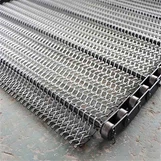
Hey there! As a supplier of Matt Conveyor Belts, I've been getting a lot of questions lately about the environmental impacts of using these belts. So, I thought I'd sit down and have a chat with you all about it.
Let's start by understanding what a Matt Conveyor Belt is. It's a type of conveyor belt that's often used in various industries to move materials from one place to another. They're known for their durability and efficiency, which is why they're so popular. But, like anything, they come with their own set of environmental implications.
Raw Material Sourcing
The first thing to consider is the raw materials used to make Matt Conveyor Belts. Most of these belts are made from a combination of rubber, fabric, and sometimes metals. The extraction of these raw materials can have a significant impact on the environment.
For example, rubber is often sourced from rubber trees. The process of rubber tapping can lead to deforestation if not managed properly. Large areas of forests are sometimes cleared to make way for rubber plantations, which can disrupt ecosystems and lead to a loss of biodiversity.
Fabric, on the other hand, can be made from natural fibers like cotton or synthetic fibers like polyester. The production of synthetic fibers requires a lot of energy and chemicals, which can contribute to air and water pollution. And if the fabric is dyed, the chemicals used in the dyeing process can also be harmful to the environment.
Metals used in conveyor belts, such as steel, require mining. Mining operations can cause soil erosion, water pollution, and habitat destruction. They also consume a large amount of energy, which contributes to greenhouse gas emissions.
Manufacturing Process
The manufacturing process of Matt Conveyor Belts also has environmental impacts. It involves several steps, including mixing the raw materials, shaping the belt, and curing it. Each of these steps requires energy, usually in the form of electricity or heat.
The energy used in manufacturing comes from various sources, such as coal, natural gas, or renewable energy. If the energy comes from non-renewable sources, it can contribute to air pollution and climate change. Additionally, the manufacturing process can generate waste, such as scrap rubber, fabric, and metal. If not properly disposed of, this waste can end up in landfills, where it can take a long time to decompose.
Usage and Maintenance
During their usage, Matt Conveyor Belts can also have environmental impacts. For instance, they require regular maintenance, which often involves the use of lubricants and cleaning agents. These chemicals can be harmful to the environment if they leak or are not disposed of properly.
Also, if a conveyor belt breaks or wears out, it needs to be replaced. The disposal of old conveyor belts can be a problem. If they're sent to landfills, they can take up a lot of space and may release harmful chemicals as they decompose. However, some companies are now recycling conveyor belts, which can help reduce the environmental impact.
Positive Environmental Aspects
But it's not all bad news. There are also some positive environmental aspects of using Matt Conveyor Belts. For example, they can improve the efficiency of material handling in industries. By moving materials more quickly and accurately, they can reduce the need for manual labor, which in turn can save energy.
Moreover, modern Matt Conveyor Belts are often designed to be more energy-efficient. They can reduce the amount of power needed to operate, which can lead to lower energy consumption and greenhouse gas emissions.


Alternative Conveyor Belt Options
If you're concerned about the environmental impacts of Matt Conveyor Belts, there are some alternative options available. For example, you can consider using Teflon Mesh Conveyor Belt. These belts are made from Teflon, which is a high-performance material known for its resistance to heat and chemicals. They're also relatively easy to clean and can be used in a variety of industries.
Another option is the High Temperature Silicone Conveyor Belt. Silicone is a non-toxic and environmentally friendly material. These belts are suitable for high-temperature applications and can be used in food processing, electronics, and other industries.
The Ptfe Mesh Conveyor Belt is also a great alternative. PTFE (Polytetrafluoroethylene) is a synthetic fluoropolymer that has excellent chemical resistance and non-stick properties. These belts are often used in applications where high precision and cleanliness are required.
Conclusion
In conclusion, while there are some environmental impacts associated with using Matt Conveyor Belts, there are also ways to mitigate these impacts. By choosing more sustainable raw materials, improving the manufacturing process, and properly maintaining and disposing of the belts, we can reduce their environmental footprint.
If you're in the market for a conveyor belt and want to learn more about our Matt Conveyor Belts or any of the alternative options I mentioned, feel free to reach out. We're here to help you make the best choice for your business and the environment.