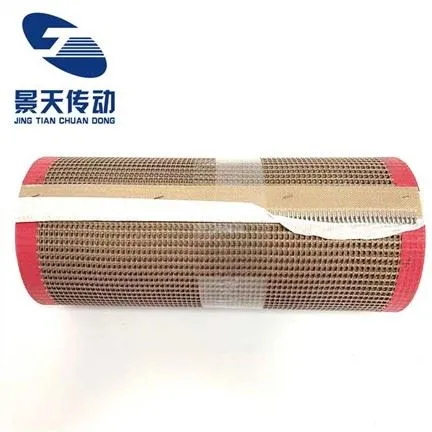
Proper ventilation of a punch hole conveyor belt is crucial for maintaining its performance, longevity, and the safety of the overall conveyor system. As a trusted Punch Hole Conveyor Belt supplier, we understand the significance of ensuring optimal ventilation. In this blog post, we will explore the key factors and strategies to guarantee the proper ventilation of a punch hole conveyor belt.


Understanding the Importance of Ventilation
Ventilation plays a vital role in the operation of a punch hole conveyor belt. It helps in dissipating heat generated during the conveyor's movement, preventing overheating and potential damage to the belt and other components. Additionally, proper ventilation reduces the buildup of moisture and humidity, which can lead to corrosion, mold growth, and degradation of the belt material. Moreover, it aids in the removal of dust, debris, and fumes that may accumulate on the belt surface, ensuring a clean and safe working environment.
Factors Affecting Ventilation
Several factors can influence the ventilation of a punch hole conveyor belt. Understanding these factors is essential for implementing effective ventilation strategies.
Belt Design and Configuration
The design and configuration of the punch hole conveyor belt itself play a significant role in ventilation. The size, shape, and distribution of the punch holes can impact the airflow through the belt. Larger and more evenly spaced holes generally allow for better ventilation. Additionally, the belt's thickness, material, and surface texture can also affect the airflow and heat transfer. For example, a thinner belt with a smooth surface may facilitate better ventilation compared to a thicker, textured belt.
Conveyor System Layout
The layout of the conveyor system, including the orientation, length, and height of the conveyor, can affect the ventilation. A well-designed conveyor layout should allow for sufficient space around the belt to promote airflow. Obstructions such as walls, machinery, or other equipment can impede the airflow and reduce ventilation efficiency. Therefore, it is important to ensure that the conveyor system is installed in an open and well-ventilated area.
Operating Conditions
The operating conditions of the conveyor system, such as the speed, load, and temperature, can also impact the ventilation. Higher conveyor speeds and heavier loads can generate more heat, requiring more efficient ventilation. Similarly, operating the conveyor in a high-temperature environment can increase the heat buildup and make proper ventilation even more critical. It is important to consider these operating conditions when designing and implementing ventilation strategies.
Strategies for Ensuring Proper Ventilation
Based on the factors mentioned above, here are some strategies that can help ensure the proper ventilation of a punch hole conveyor belt:
Optimize Belt Design
- Select the Right Hole Size and Pattern: Choose a punch hole size and pattern that allows for adequate airflow through the belt. Consider the specific requirements of your application, such as the type of material being conveyed, the conveyor speed, and the operating environment.
- Use a Breathable Belt Material: Select a belt material that has good breathability and heat dissipation properties. Some materials, such as certain types of rubber or fabric, may be more suitable for applications where ventilation is a concern.
- Consider Belt Thickness: A thinner belt generally allows for better ventilation compared to a thicker belt. However, the belt thickness should also be sufficient to withstand the load and operating conditions.
Improve Conveyor System Layout
- Provide Adequate Clearance: Ensure that there is sufficient space around the conveyor belt to allow for proper airflow. This includes maintaining a minimum distance between the belt and any surrounding walls, machinery, or other equipment.
- Install Ventilation Ducts or Fans: In some cases, it may be necessary to install ventilation ducts or fans to enhance the airflow around the conveyor belt. These can be used to direct fresh air towards the belt or to remove hot air and fumes from the area.
- Use Open-Sided Conveyor Frames: Consider using open-sided conveyor frames instead of enclosed frames. Open-sided frames allow for better airflow and ventilation, reducing the risk of heat buildup and moisture accumulation.
Monitor and Control Operating Conditions
- Adjust Conveyor Speed and Load: If possible, adjust the conveyor speed and load to minimize heat generation. Running the conveyor at a lower speed or reducing the load can help to reduce the heat buildup and improve ventilation.
- Install Temperature Sensors: Install temperature sensors on the conveyor belt or in the surrounding area to monitor the temperature. This can help to detect any overheating issues early and allow for timely corrective action.
- Implement a Maintenance Schedule: Regularly inspect and maintain the conveyor system to ensure that it is operating efficiently. This includes cleaning the belt, checking for any signs of wear or damage, and lubricating the moving parts.
Additional Considerations
In addition to the strategies mentioned above, there are some other considerations that can help ensure the proper ventilation of a punch hole conveyor belt:
Anti-Static Conveyor Belt
Using an Anti-static Conveyor Belt can help to reduce the buildup of static electricity, which can attract dust and debris and impede ventilation. Anti-static belts are designed to dissipate static charges, keeping the belt surface clean and promoting better airflow.
Pvc Conveyor Belt With Guide Strip
A Pvc Conveyor Belt With Guide Strip can help to keep the belt centered on the conveyor and prevent it from rubbing against the sides of the conveyor frame. This can reduce friction and heat generation, improving ventilation and extending the life of the belt.
Synchronous conveyor belt
A Synchronous conveyor belt can provide precise and consistent movement of the conveyed material, reducing the risk of jams and blockages. This can help to maintain a smooth and continuous airflow through the conveyor system, improving ventilation efficiency.
Conclusion
Proper ventilation of a punch hole conveyor belt is essential for ensuring its performance, longevity, and the safety of the overall conveyor system. By understanding the factors that affect ventilation and implementing the strategies outlined in this blog post, you can ensure that your punch hole conveyor belt operates efficiently and effectively. As a leading Punch Hole Conveyor Belt supplier, we are committed to providing high-quality products and solutions that meet the specific needs of our customers. If you have any questions or need further information about ensuring the proper ventilation of your punch hole conveyor belt, please feel free to contact us. We look forward to discussing your requirements and helping you find the best solution for your application.