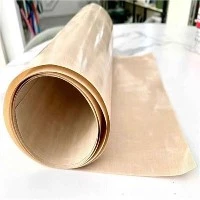
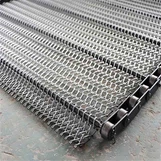
Hey there! As a supplier of Pvk Conveyor Belts, I've seen firsthand the importance of efficiency in conveyor belt operations. Whether you're running a small business or a large industrial facility, getting the most out of your conveyor belt can save you time, money, and headaches. In this blog post, I'm going to share some tips and tricks on how to improve the efficiency of a Pvk Conveyor Belt.
1. Regular Maintenance
Just like any other piece of machinery, a Pvk Conveyor Belt needs regular maintenance to keep it running smoothly. This includes things like cleaning, lubricating, and inspecting the belt and its components.
- Cleaning: Over time, dirt, dust, and debris can build up on the conveyor belt, causing it to run less efficiently. Regular cleaning can prevent this buildup and keep the belt in good condition. You can use a soft brush or a vacuum cleaner to remove loose dirt, and a mild detergent for more stubborn stains.
- Lubrication: Proper lubrication of the conveyor belt's moving parts is crucial. This reduces friction, which in turn reduces wear and tear on the belt and its components. Make sure to use the right type of lubricant for your specific conveyor belt system.
- Inspection: Regular inspections can help you catch any potential problems before they turn into major issues. Check for signs of wear, such as fraying, cracking, or uneven wear patterns. Also, inspect the belt's tension, alignment, and the condition of the rollers and pulleys.
2. Proper Installation
A poorly installed conveyor belt can lead to a lot of problems, including reduced efficiency. When installing a Pvk Conveyor Belt, make sure to follow the manufacturer's instructions carefully.


- Alignment: The conveyor belt must be properly aligned to ensure smooth operation. Misaligned belts can cause uneven wear, increased friction, and even belt slippage. Use alignment tools to ensure that the belt is running straight and centered on the rollers and pulleys.
- Tension: Correct tension is essential for the proper functioning of the conveyor belt. If the belt is too loose, it may slip, causing a loss of efficiency. If it's too tight, it can put unnecessary stress on the belt and its components, leading to premature wear. Use a tension gauge to adjust the belt tension to the recommended level.
3. Choose the Right Belt for the Job
Not all conveyor belts are created equal. The type of belt you choose can have a big impact on the efficiency of your conveyor system.
- Material: Pvk Conveyor Belts come in a variety of materials, each with its own properties and advantages. For example, if you're handling food products, you'll want to choose a food-grade belt, like the 5mm Double Side Canvas Food Grade Conveyor Belt. If you need a belt with good traction, a belt with a special pattern, such as the Blue PVC PU Conveyor Belt With Different Pattern, might be a better choice.
- Width and Length: The width and length of the conveyor belt should be carefully selected based on your specific application. A belt that is too narrow or too short may not be able to handle the load efficiently, while a belt that is too wide or too long can be wasteful and may cause other problems.
4. Optimize the Conveyor System Design
The design of the conveyor system can also affect the efficiency of the Pvk Conveyor Belt.
- Layout: The layout of the conveyor system should be designed to minimize the distance the belt has to travel and the number of turns. This reduces the amount of energy required to move the belt and the load.
- Speed: Adjusting the speed of the conveyor belt to match the requirements of the process can improve efficiency. For example, if you're moving heavy or fragile items, a slower speed may be more appropriate to prevent damage. On the other hand, if you're moving lightweight items in a high-volume operation, a faster speed may be more efficient.
5. Train Your Staff
Your staff plays a crucial role in the efficiency of the conveyor belt system. Make sure they are properly trained on how to operate and maintain the conveyor belt.
- Operation: Train your staff on the correct way to start, stop, and adjust the conveyor belt. They should also know how to load and unload items onto the belt safely and efficiently.
- Maintenance: Teach your staff basic maintenance tasks, such as cleaning and inspecting the belt. This can help them identify and report any potential problems early, before they cause major disruptions.
6. Use Technology to Your Advantage
There are many technological tools available that can help you improve the efficiency of your Pvk Conveyor Belt.
- Monitoring Systems: Install monitoring systems that can track the performance of the conveyor belt, such as its speed, tension, and temperature. These systems can alert you to any potential problems in real-time, allowing you to take corrective action quickly.
- Automation: Consider automating certain aspects of the conveyor belt system, such as loading and unloading. This can reduce the need for manual labor, improve accuracy, and increase efficiency.
In conclusion, improving the efficiency of a Pvk Conveyor Belt requires a combination of regular maintenance, proper installation, choosing the right belt, optimizing the system design, training your staff, and using technology. By following these tips, you can ensure that your conveyor belt system runs smoothly and efficiently, saving you time and money in the long run.
If you're interested in learning more about our Pvk Conveyor Belts or need help improving the efficiency of your conveyor system, feel free to reach out. We're here to help you find the best solutions for your specific needs. Whether you're looking for a Blue PVC PU Conveyor Belt With Different Pattern, a 5mm Double Side Canvas Food Grade Conveyor Belt, or a PVC Flat Conveyor Belt, we've got you covered. Let's start a conversation about how we can work together to optimize your conveyor belt operations.
References
- Conveyor Belt Handbook: A comprehensive guide to conveyor belt technology and maintenance.
- Industrial Conveyor Systems: Best Practices for Efficiency and Safety.