Hey there! As a supplier of Matt Conveyor Belts, I often get asked about the differences between various types of these belts. Well, let me break it down for you in a way that's easy to understand.
First off, let's talk about what a Matt Conveyor Belt is. In simple terms, it's a belt used in conveyor systems to move materials from one place to another. These belts come in different types, each designed for specific applications.
Timing Belt Conveyor
One popular type is the Timing Belt Conveyor. These belts have teeth or projections on the inner side that mesh with the sprockets of the conveyor system. This design provides a positive drive, which means there's no slippage between the belt and the sprockets.
Timing belt conveyors are great for applications where precise positioning and synchronous movement are required. For example, in the electronics industry, they're used to move delicate components along the production line. The teeth on the belt ensure that the components are moved at a consistent speed and in the right position, reducing the risk of damage.
Another advantage of timing belt conveyors is their efficiency. Since there's no slippage, they can transfer power more effectively, which can lead to energy savings. They also tend to have a longer lifespan compared to some other types of conveyor belts, as the teeth distribute the load evenly across the belt.
However, timing belt conveyors do have some limitations. They're not suitable for applications where there's a lot of debris or dirt, as the teeth can get clogged. They also require proper tensioning to work correctly, so regular maintenance is necessary.
Teflon Mesh Conveyor Belt
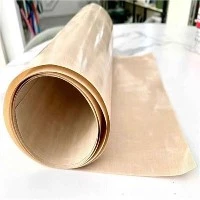
Next up is the Teflon Mesh Conveyor Belt. These belts are made from a mesh of Teflon-coated fiberglass. Teflon is a synthetic fluoropolymer that has some amazing properties.
One of the main advantages of Teflon mesh conveyor belts is their high-temperature resistance. They can withstand temperatures up to 500°F (260°C) without losing their shape or strength. This makes them ideal for applications such as baking, drying, and heat treating.
The mesh design of these belts also allows for good air circulation, which is important in processes where ventilation is needed. For example, in the food industry, they're used to convey baked goods through ovens. The air can flow through the mesh, ensuring that the goods are evenly cooked and don't stick to the belt.
Teflon mesh conveyor belts are also non-stick, which means that materials are less likely to adhere to the belt. This makes cleaning easier and reduces the risk of contamination. They're also resistant to chemicals, so they can be used in applications where there's exposure to corrosive substances.
On the downside, Teflon mesh conveyor belts can be more expensive than some other types of belts. They also have a relatively low tensile strength compared to solid belts, so they may not be suitable for applications where heavy loads need to be transported.
Punch Hole Conveyor Belt
The Punch Hole Conveyor Belt is another type that's commonly used. As the name suggests, these belts have holes punched in them.
The main advantage of punch hole conveyor belts is their ability to drain liquids. This makes them ideal for applications where wet materials need to be conveyed, such as in the food processing industry. For example, they're used to transport washed vegetables or fruits, allowing the water to drain through the holes.


The holes in the belt also provide some flexibility, which can be useful in applications where the belt needs to bend around pulleys or rollers. They can also be used to grip materials, as the holes can create a suction effect.
However, punch hole conveyor belts can be more difficult to clean compared to solid belts. The holes can trap debris and dirt, which can lead to contamination if not properly maintained. They also have a lower load capacity compared to some other types of belts, as the holes reduce the surface area of the belt.
Other Considerations
When choosing a Matt Conveyor Belt, there are several other factors that you need to consider besides the type of belt.
One important factor is the material of the belt. Different materials have different properties, such as strength, flexibility, and resistance to wear and tear. For example, rubber belts are flexible and can handle a wide range of temperatures, while PVC belts are more rigid and have good chemical resistance.
The width and length of the belt also need to be considered. The width of the belt should be chosen based on the size of the materials that need to be conveyed, while the length should be determined by the distance that the materials need to travel.
The speed of the conveyor system is another important factor. Different types of belts have different maximum speeds, so you need to make sure that the belt you choose can handle the speed of your system.
Finally, you need to consider the environment in which the conveyor system will be used. If the environment is dirty or dusty, you may need a belt that's resistant to contamination. If the environment is hot or cold, you'll need a belt that can withstand the temperature extremes.
Conclusion
In conclusion, there are several different types of Matt Conveyor Belts, each with its own advantages and disadvantages. The Timing Belt Conveyor is great for precise positioning and efficiency, the Teflon Mesh Conveyor Belt is ideal for high-temperature applications and good air circulation, and the Punch Hole Conveyor Belt is suitable for draining liquids and providing flexibility.
When choosing a Matt Conveyor Belt, it's important to consider the specific requirements of your application, as well as other factors such as the material, width, length, speed, and environment of the conveyor system.
If you're in the market for a Matt Conveyor Belt, I'd be more than happy to help you choose the right one for your needs. Just get in touch with me, and we can discuss your requirements in more detail.
References
- "Conveyor Belt Handbook" by Christopher J. Baird
- "Industrial Conveyor Systems: Design and Selection" by Michael J. Campanella