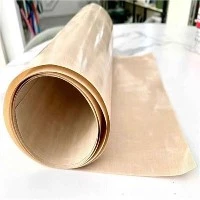
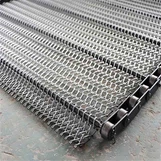
Hey there! As a food grade conveyor belt supplier, I often get asked about the weight limits for these belts. It's a crucial question because getting it wrong can lead to all sorts of problems, from belt damage to production inefficiencies. So, let's dive right into it.
Understanding the Basics of Food Grade Conveyor Belts
Food grade conveyor belts are specifically designed to meet strict health and safety standards for handling food products. They're made from materials that are non - toxic, easy to clean, and resistant to various chemicals and contaminants. These belts come in different types, each with its own set of features and weight - handling capabilities.
Dough Sheeter Belt
The Dough Sheeter Belt is a specialized type of food grade conveyor belt. It's used in the bakery industry to handle dough. The weight limit of a dough sheeter belt depends on several factors. First, the material of the belt plays a big role. If it's made of a high - strength polymer, it can handle more weight compared to a belt made of a thinner, less durable material.
Typically, a standard dough sheeter belt can handle a weight of around 10 - 20 pounds per linear foot. However, if you're dealing with a heavy, dense dough or you need to move a large volume of dough quickly, you might need a belt with a higher weight capacity. Some heavy - duty dough sheeter belts can handle up to 30 pounds per linear foot.
PTFE Mesh Conveyor Belt
The PTFE Mesh Conveyor Belt is known for its high - temperature resistance and excellent release properties. This makes it ideal for applications like baking and frying. When it comes to weight limits, the mesh design of the belt affects its load - bearing capacity.
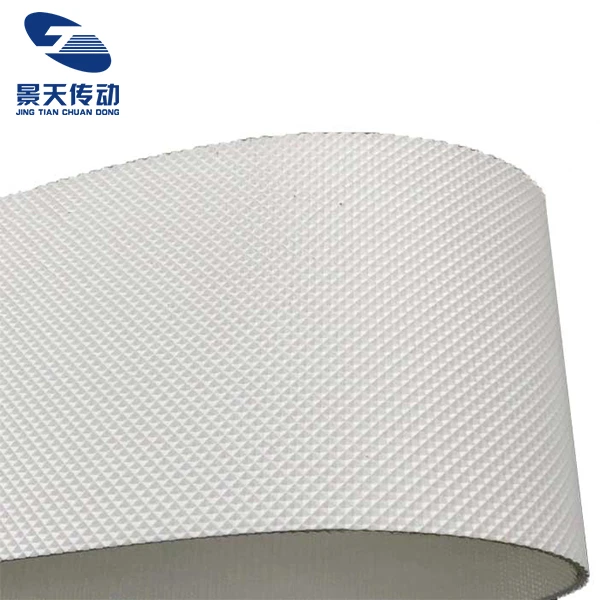

A lightweight PTFE mesh conveyor belt might have a weight limit of 5 - 10 pounds per linear foot. This is suitable for small, light food items like cookies or pastries. On the other hand, a heavy - duty PTFE mesh belt can handle up to 20 pounds per linear foot. This is useful for larger, heavier food products such as whole loaves of bread or large pieces of meat.
High Temperature Silicone Conveyor Belt
The High Temperature Silicone Conveyor Belt is another popular choice in the food industry. It can withstand high temperatures, which is great for processes like baking and roasting. The weight limit of a high - temperature silicone conveyor belt depends on its thickness and width.
A thin silicone belt, say around 1 - 2 millimeters thick, might have a weight limit of 8 - 15 pounds per linear foot. A thicker belt, 3 - 5 millimeters thick, can handle up to 25 pounds per linear foot. These belts are often used for transporting heavy food items like cakes, pies, and large cuts of meat.
Cake Machine Silicone Conveyor Belt
The Cake Machine Silicone Conveyor Belt is designed specifically for the cake - making process. It needs to be able to handle the weight of wet cake batter as well as the finished cakes.
Most cake machine silicone conveyor belts can handle a weight of 12 - 18 pounds per linear foot. This is sufficient for most cake - making operations, whether you're making small cupcakes or large layer cakes. However, if you're dealing with extra - large or dense cakes, you might need a belt with a higher weight capacity.
Silicone Oven Door Seal
The Silicone Oven Door Seal is not exactly a conveyor belt, but it's an important part of the food processing equipment. While it doesn't have a traditional "weight limit" like a conveyor belt, it needs to be able to withstand the pressure and heat inside the oven.
A good quality silicone oven door seal should be able to handle the normal pressure fluctuations inside an oven without breaking or deforming. It should also be able to resist temperatures up to 500 - 600 degrees Fahrenheit, which is common in many baking and roasting processes.
Factors Affecting Weight Limits
There are several factors that can affect the weight limits of food grade conveyor belts.
Belt Material
As mentioned earlier, the material of the belt is a major factor. Different materials have different strength and durability characteristics. For example, a belt made of rubber might have a different weight limit compared to a belt made of a synthetic polymer.
Belt Width
The width of the belt also plays a role. A wider belt can generally handle more weight than a narrower belt. This is because the wider belt distributes the weight over a larger area, reducing the stress on the belt.
Belt Speed
The speed at which the belt is moving can affect its weight - handling capacity. A faster - moving belt might have a lower weight limit because the inertia of the moving objects can put more stress on the belt.
Load Distribution
How the weight is distributed on the belt is important. If the load is concentrated in one area, it can put more stress on the belt and reduce its effective weight limit. A more evenly distributed load allows the belt to handle more weight.
Importance of Staying Within Weight Limits
Staying within the weight limits of your food grade conveyor belt is crucial. If you exceed the weight limit, it can lead to several problems.
Belt Damage
Excessive weight can cause the belt to stretch, tear, or wear out prematurely. This can result in costly repairs or replacements.
Reduced Efficiency
A belt that is overloaded might move more slowly or stop altogether. This can disrupt the production process and lead to delays.
Safety Risks
An overloaded belt can pose safety risks to workers. It might cause the belt to come off the rollers or cause objects to fall off the belt, potentially injuring workers.
How to Determine the Right Weight Limit for Your Application
To determine the right weight limit for your food grade conveyor belt, you need to consider the following:
Type of Food Product
The type of food product you're handling is the first thing to consider. Is it light and fluffy, like a marshmallow, or heavy and dense, like a block of cheese?
Production Volume
How much of the food product do you need to move per unit of time? A higher production volume might require a belt with a higher weight capacity.
Conveyor System Design
The design of your conveyor system, including the length, width, and speed of the belt, also affects the weight limit. You need to make sure that the belt is compatible with the overall system.
Conclusion
In conclusion, the weight limits for food grade conveyor belts vary depending on the type of belt, the material, the width, and other factors. As a supplier, I can help you choose the right belt for your specific application. Whether you need a Dough Sheeter Belt, a PTFE Mesh Conveyor Belt, a High Temperature Silicone Conveyor Belt, a Cake Machine Silicone Conveyor Belt, or a Silicone Oven Door Seal, I've got you covered.
If you're in the market for a food grade conveyor belt or related products, don't hesitate to reach out. We can discuss your requirements in detail and find the perfect solution for your business.