Hey there! As a supplier of PVK conveyor belts, I often get asked about the minimum bending radius of these belts. It's a crucial question, especially for those looking to optimize their conveyor systems. So, let's dive right in and explore what the minimum bending radius of a PVK conveyor belt is all about.
Understanding the Basics
First off, what is a PVK conveyor belt? PVK, or Polyvinyl Chloride, is a type of plastic that's commonly used in conveyor belts due to its durability, flexibility, and resistance to various chemicals. These belts are widely used in industries such as food processing, packaging, and logistics.
The minimum bending radius of a conveyor belt refers to the smallest radius around which the belt can be bent without causing damage. This is important because if the belt is bent beyond its minimum bending radius, it can lead to issues like cracking, delamination, or reduced belt life.
Factors Affecting the Minimum Bending Radius
Several factors can influence the minimum bending radius of a PVK conveyor belt. Let's take a look at some of the most important ones:
Belt Thickness
Thicker belts generally have a larger minimum bending radius. This is because the material in a thicker belt is less flexible and more prone to cracking when bent sharply. For example, a thin PVK conveyor belt might have a minimum bending radius of a few centimeters, while a thicker belt could require a radius of several inches.
Belt Construction
The way the belt is constructed also plays a role. Belts with a single-ply construction are usually more flexible than those with multiple plies. Additionally, the type of reinforcement used in the belt can affect its flexibility. For instance, belts with a woven fabric reinforcement are often more flexible than those with a solid PVC core.
Operating Conditions
The environment in which the belt operates can impact its minimum bending radius. High temperatures can make the belt more flexible, reducing the minimum bending radius. On the other hand, cold temperatures can make the belt stiffer, increasing the minimum bending radius. Other factors such as humidity, chemical exposure, and the presence of abrasive materials can also affect the belt's flexibility and, therefore, its minimum bending radius.
Determining the Minimum Bending Radius
So, how do you determine the minimum bending radius for a specific PVK conveyor belt? Well, the best way is to refer to the manufacturer's specifications. Most manufacturers provide detailed information about the minimum bending radius for their belts based on the belt's thickness, construction, and intended use.

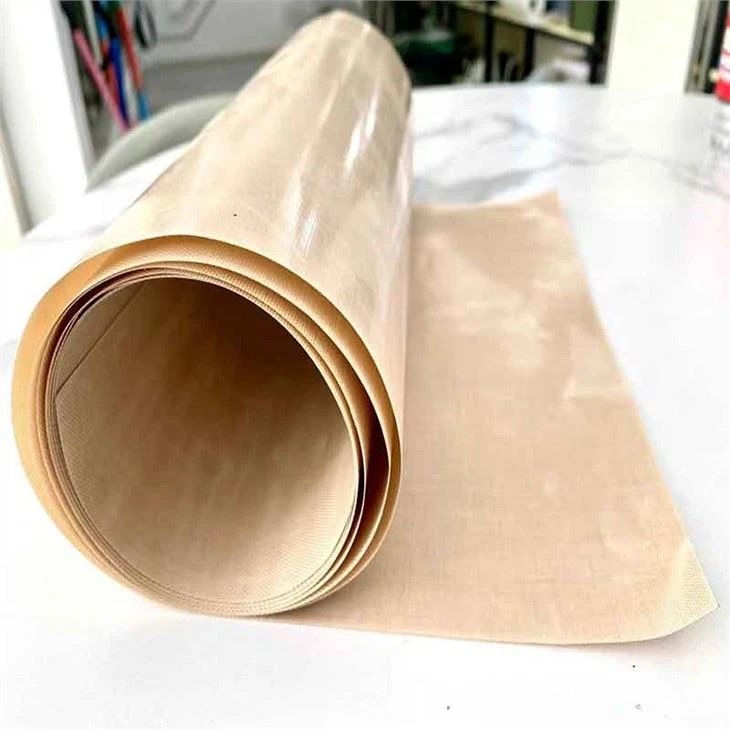
If you don't have access to the manufacturer's specifications, you can also perform a simple test. Take a small section of the belt and gradually bend it around a cylindrical object. Start with a large radius and gradually decrease it until you notice any signs of damage, such as cracking or delamination. The radius at which damage occurs is the minimum bending radius for that particular belt.
Importance of the Minimum Bending Radius
Understanding the minimum bending radius of a PVK conveyor belt is crucial for several reasons. Firstly, it helps ensure the proper functioning of the conveyor system. If the belt is bent beyond its minimum bending radius, it can cause the belt to slip, misalign, or even break, leading to downtime and costly repairs.
Secondly, it helps extend the lifespan of the belt. By operating the belt within its recommended minimum bending radius, you can reduce the stress on the belt and prevent premature wear and tear. This can save you money in the long run by reducing the frequency of belt replacements.
Our PVK Conveyor Belt Offerings
As a supplier of PVK conveyor belts, we offer a wide range of products to meet the diverse needs of our customers. Our belts are made from high-quality PVK materials and are available in various thicknesses, widths, and lengths. We also offer custom-made belts to suit specific applications.
In addition to our PVK conveyor belts, we also supply other types of conveyor belts, such as 1*1mm Mesh High Temperature Resistant Ptfe Conveyor Belt, Teflon Ptfe Coated Fiberglass Fabric Conveyor Belt, Ptfe Conveyor Belt, Heat Resistant Conveyor Belt, and Teflon Conveyor Belt. These belts are designed to withstand high temperatures, chemicals, and abrasive materials, making them ideal for use in demanding industrial applications.
Contact Us for More Information
If you're interested in learning more about our PVK conveyor belts or any of our other products, please don't hesitate to contact us. Our team of experts is always ready to answer your questions and help you find the right conveyor belt for your needs.
We understand that every customer has unique requirements, and we're committed to providing personalized solutions. Whether you need a standard belt or a custom-made one, we can work with you to ensure that you get the best product at the best price.
So, if you're in the market for a reliable and high-quality conveyor belt, give us a call or send us an email today. We look forward to hearing from you and helping you optimize your conveyor system.