Yo, what's up everyone! I'm a supplier of White PVC Conveyor Belts, and today I wanna talk about the color stability of these belts under different conditions.
Let's start with the basics. White PVC Conveyor Belts are pretty popular in various industries. They're used in food processing, electronics, and even in some light industrial applications. The white color is not just for looks; it gives a clean and hygienic appearance, which is super important, especially in the food industry.
Color Stability in Normal Conditions
Under normal operating conditions, like room temperature and regular humidity levels, the color of our White PVC Conveyor Belts is pretty stable. The PVC material we use has been carefully formulated to resist fading and discoloration. We've done a lot of testing in our labs, and we've found that these belts can maintain their white color for a long time when used in a standard environment.
But what exactly does "normal" mean? Well, we're talking about temperatures between 20°C and 30°C (that's 68°F to 86°F for you folks in the US) and a relative humidity of around 40% to 60%. In these conditions, the PVC doesn't react with the surrounding air or moisture in a way that would cause the color to change.
Impact of Temperature
Now, let's talk about temperature. High temperatures can really mess with the color stability of White PVC Conveyor Belts. When the temperature goes above 60°C (140°F), the PVC starts to break down a little bit. This breakdown can lead to the release of some chemicals that can cause the belt to turn yellow or brown.
For example, if you're using our belts in a bakery where the ovens are hot, you might notice some color change over time. The heat speeds up the chemical reactions in the PVC, and the color starts to fade. On the other hand, extremely low temperatures can also have an impact. When it gets below -20°C (-4°F), the PVC becomes more brittle, and this can also affect the color. The cold can cause micro - cracks in the belt, and these cracks can trap dirt and other particles, making the belt look dirty and discolored.
Effect of Chemical Exposure
Chemical exposure is another factor that can affect the color stability of our White PVC Conveyor Belts. If the belts come into contact with strong acids or alkalis, the color can change pretty quickly. For instance, in a chemical processing plant, if there's a spill of a strong acid on the belt, the acid can react with the PVC and cause it to turn black or dark brown.
Even some common cleaning agents can have an impact. If you use a cleaning agent that's too harsh, it can strip the surface of the belt and make it look dull. We always recommend using mild, pH - neutral cleaning agents to keep the color and the integrity of the belt intact.
UV Radiation
UV radiation is a big deal when it comes to color stability. If the White PVC Conveyor Belts are exposed to direct sunlight for a long time, the UV rays can break down the PVC molecules. This breakdown leads to a process called photodegradation, which causes the belt to fade.
In outdoor applications, like in a farm where the belts are used to transport produce, the UV rays from the sun can really take a toll on the color. To combat this, we've developed some UV - resistant coatings for our belts. These coatings help to protect the PVC from the harmful effects of UV radiation and keep the white color looking fresh for longer.
Comparison with Other Conveyor Belts
Now, let's compare our White PVC Conveyor Belts with some other types of conveyor belts.
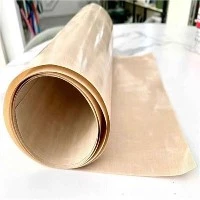
- Ptfe Food Conveyor Belt: PTFE belts are known for their high - temperature resistance. They can handle much higher temperatures than our White PVC Conveyor Belts without changing color. However, they're more expensive and might not be as suitable for some light - duty applications.
- Teflon Ptfe Coated Fiberglass Fabric Conveyor Belt: These belts also have excellent high - temperature performance. The Teflon coating gives them a smooth surface and good chemical resistance. But again, they're pricier and might be overkill for some simple applications.
- High Temperature Silicone Conveyor Belt: Silicone belts are great for high - temperature applications. They have good color stability at high temperatures, but they might not be as rigid as our White PVC Conveyor Belts, which can be a drawback in some cases.
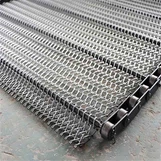
- Stainless Steel Wire Belt: Stainless steel belts are very durable and have excellent heat resistance. They don't change color due to temperature or chemical exposure. However, they're heavy and can be more difficult to install and maintain compared to our White PVC Conveyor Belts.
- Dough Sheeter Belt: These belts are specifically designed for dough processing. They have a different texture and composition compared to our White PVC Conveyor Belts. While they're great for their intended use, they might not have the same color stability in other applications.
How to Maintain Color Stability
So, how can you keep your White PVC Conveyor Belts looking white?
- Temperature Control: Try to keep the operating temperature within the recommended range. If you're in a high - temperature environment, use cooling systems to lower the temperature around the belt.
- Chemical Management: Avoid exposing the belts to strong chemicals. Use mild cleaning agents and follow the cleaning instructions carefully.
- UV Protection: If the belts are used outdoors, use covers or shades to protect them from direct sunlight. You can also consider using our UV - resistant coated belts.
Conclusion
In conclusion, the color stability of our White PVC Conveyor Belts can be affected by various factors like temperature, chemical exposure, and UV radiation. But with proper care and maintenance, you can keep the belts looking white and in good condition for a long time.
If you're in the market for a high - quality White PVC Conveyor Belt, or if you have any questions about color stability or other aspects of our products, don't hesitate to reach out. We're here to help you find the best conveyor belt solution for your needs.