As a supplier of Blue PVC Conveyor Belts, I often get asked about the UV resistance of our products. It's a crucial question, especially for those who plan to use the belts outdoors or in environments exposed to sunlight. In this blog, I'll share some insights on what makes our Blue PVC Conveyor Belts resistant to UV rays, how it affects their performance, and why it matters to you.
Understanding UV Resistance
To get why UV resistance is so important, we first need to know what UV rays can do to materials. Ultraviolet radiation from the sun is split into three types: UVA, UVB, and UVC. UVA and UVB rays can reach the Earth's surface, and they pack a punch when it comes to damaging materials like PVC.
When PVC conveyor belts are exposed to UV rays, they can go through a process called photodegradation. This is when the UV energy breaks down the chemical bonds in the PVC, which leads to all sorts of issues. The belt can become brittle, crack, and lose its strength. That's not great news, especially if you rely on the belt for smooth and efficient operation.
What Makes Our Blue PVC Conveyor Belts UV Resistant?
We take pride in our Blue PVC Conveyor Belts being equipped with special additives to boost their UV resistance. These additives work as a shield, absorbing or reflecting the harmful UV rays before they can start breaking down the PVC. Think of them as a sunscreen for the belt.
The exact formula of these additives is our little secret, but I can tell you that they're carefully chosen and tested to provide long - lasting protection. They're mixed evenly throughout the PVC during the manufacturing process, so every part of the belt benefits from the UV resistance.
Performance Under UV Exposure
Our tests show that our Blue PVC Conveyor Belts maintain excellent performance even after long - term exposure to UV rays. In real - world applications, the belt can withstand sunlight for years without significant degradation. This means you can keep using the belt without worrying about sudden failures due to UV damage.
The color of the belt, which is blue, also plays a role. Darker colors can absorb more heat from sunlight, which might affect the overall heat management of the belt. However, our UV - resistant additives are designed to counteract any negative effects of heat absorption, ensuring that the belt remains stable in both temperature and performance.
Why UV Resistance Matters
If your conveyor belts are used outdoors, like in mining operations, agricultural applications, or some industrial settings, UV resistance is non - negotiable. A belt that isn't UV - resistant can start to fail prematurely, leading to costly downtime for repairs or replacements.
Imagine a farm that uses conveyor belts to move produce. If the belts are exposed to the sun all day long and aren't UV - resistant, they could start cracking and breaking within a few months. This would disrupt the entire harvesting and processing operation, causing delays and financial losses.


On top of that, UV - resistant belts are more sustainable. Since they last longer, you don't have to replace them as often, which reduces waste and the overall environmental impact.
Comparing with Other Conveyor Belt Types
It's worth comparing our Blue PVC Conveyor Belts with other types of conveyor belts in terms of UV resistance. For example, Heat Resistant Conveyor Belt is great for high - temperature applications, but its UV resistance might not be as good as our Blue PVC belts. These heat - resistant belts are usually designed to handle extreme heat, and while they may have some level of UV protection, it's not their primary focus.
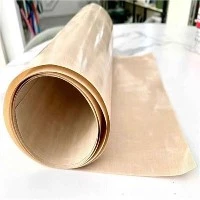
The Teflon Coated Fiberglass Conveyor Belt is another option. It has excellent heat resistance and can be used in various industrial applications. However, when it comes to long - term outdoor use, our Blue PVC belts are a better choice because of their enhanced UV resistance.
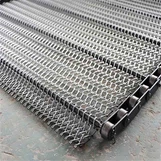
The Stainless Steel Wire Belt is often used in food processing and other applications that require high durability and cleanliness. While it's very strong and resistant to many factors, it can't offer the same flexibility and ease of use as our Blue PVC belts in some scenarios, and it doesn't have the same type of UV - related protection as a PVC belt can have.
Maintenance for UV - Exposed Conveyor Belts
Even though our Blue PVC Conveyor Belts are UV - resistant, a bit of maintenance can go a long way in ensuring their longevity. Regularly clean the belts to remove any dirt, debris, or chemicals that might accumulate on the surface. This can prevent any additional stress on the belt material.
Inspect the belts periodically for signs of wear and tear. While UV damage should be minimized, other factors like friction or heavy loads can still cause some issues. If you notice any small cracks or signs of damage, it's best to address them early to prevent them from getting worse.
Contact Us for More Information
If you're in the market for conveyor belts, especially those that need to withstand UV exposure, our Blue PVC Conveyor Belts are a top - notch choice. We're here to answer any questions you might have, provide you with more detailed information, and help you find the right belt for your specific needs.
Whether you're running a small business or a large industrial operation, we've got the expertise and products to support you. Don't hesitate to reach out if you want to discuss your requirements, get a quote, or just learn more about our UV - resistant Blue PVC Conveyor Belts.