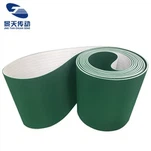
1. Advance preparation and standardized processes
Pre-inspection and measurement: Confirm PU belt dimensions, frame parallelism (tolerance ≤ ±2mm), and roller position before installation to avoid on-site adjustments.
Standardized operations: Develop a step-by-step installation manual (e.g., traction → tensioning → commissioning) to reduce redundant steps and reduce installation time by over 30%.
2. Use specialized tools and equipment
Mechanized traction: Use pulley blocks or synchronized traction equipment to control the traction speed to within 0.5 m/s, eliminating delays caused by manual pulling.
Quick joint technology: Use hot melt splicers or cold vulcanization to reduce joint processing time from 1 hour to 20 minutes.
3. Teamwork and training
Three-person collaboration: Divide responsibilities for traction, positioning, and tightening, and synchronize operations to reduce installation time by 50%. Skills Training: Master multi-machine cross-operation techniques (e.g., simultaneous tensioning and deviation adjustment) to improve collaborative efficiency.
4. Commissioning Optimization
Phase-Based Testing: After a no-load test run, load the machine in stages (25% → 100%), shortening each stage to 15 minutes, keeping the total commissioning time within one hour.