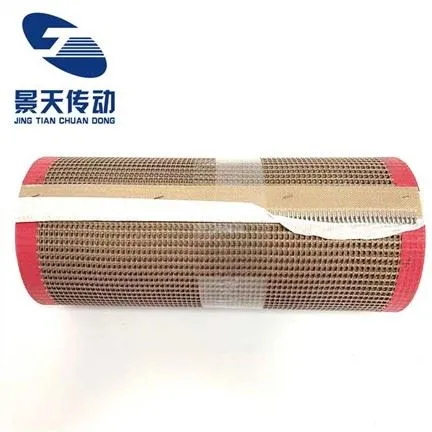
Connecting two sections of a silicon conveyor belt is a crucial process that requires precision and the right techniques. As a leading supplier of silicon conveyor belts, I understand the importance of ensuring a seamless connection to maintain the efficiency and functionality of the conveyor system. In this blog post, I will share some valuable insights on how to connect two sections of a silicon conveyor belt effectively.
Understanding the Basics of Silicon Conveyor Belts
Silicon conveyor belts are widely used in various industries due to their excellent heat resistance, chemical resistance, and flexibility. They are commonly found in food processing, packaging, electronics, and other manufacturing applications. Before attempting to connect two sections of a silicon conveyor belt, it is essential to have a clear understanding of its properties and characteristics.
Silicon conveyor belts are typically made from high-quality silicone rubber, which is reinforced with a fabric layer for added strength and stability. The surface of the belt can be smooth or textured, depending on the specific application requirements. When connecting two sections of a silicon conveyor belt, it is crucial to ensure that the belt material is compatible and that the connection method is appropriate for the belt's thickness and width.


Preparing the Belt for Connection
Before connecting two sections of a silicon conveyor belt, it is essential to prepare the belt properly to ensure a strong and durable connection. Here are the steps to follow:
- Clean the Belt Surfaces: Use a clean, dry cloth to remove any dirt, debris, or contaminants from the belt surfaces that will be joined. This will help to ensure a good bond between the two sections of the belt.
- Measure and Mark the Belt: Use a measuring tape to determine the length and width of the belt sections that need to be connected. Mark the belt at the appropriate locations using a marker or a scribe.
- Cut the Belt: Use a sharp knife or a belt cutter to cut the belt sections to the desired length and width. Make sure to cut the belt straight and cleanly to ensure a proper fit.
- Bevel the Belt Edges: If necessary, bevel the edges of the belt sections using a belt beveler or a file. This will help to prevent the belt from fraying and will improve the connection strength.
Choosing the Right Connection Method
There are several methods available for connecting two sections of a silicon conveyor belt, each with its own advantages and disadvantages. The choice of connection method will depend on the belt's thickness, width, and application requirements. Here are some of the most common connection methods:
- Mechanical Fasteners: Mechanical fasteners, such as belt clips, lacing, and hinges, are a popular choice for connecting two sections of a silicon conveyor belt. They are easy to install and can be removed and replaced if necessary. However, mechanical fasteners can create a weak point in the belt and may not be suitable for high-speed or heavy-duty applications.
- Vulcanization: Vulcanization is a process that involves heating the belt sections to a high temperature and applying pressure to bond them together. This method creates a strong and durable connection that is suitable for high-speed and heavy-duty applications. However, vulcanization requires specialized equipment and expertise and can be expensive.
- Adhesive Bonding: Adhesive bonding is a process that involves applying an adhesive to the belt surfaces and pressing them together to create a bond. This method is relatively easy to perform and can be used for a variety of belt materials and thicknesses. However, adhesive bonding may not be suitable for high-temperature or high-humidity applications.
Connecting the Belt Using Mechanical Fasteners
If you choose to use mechanical fasteners to connect two sections of a silicon conveyor belt, here are the steps to follow:
- Select the Appropriate Fasteners: Choose the appropriate mechanical fasteners based on the belt's thickness, width, and application requirements. Make sure to select fasteners that are compatible with the belt material and that are designed for the specific type of conveyor system.
- Install the Fasteners: Follow the manufacturer's instructions to install the mechanical fasteners on the belt sections. Make sure to align the fasteners properly and to tighten them securely to ensure a strong and stable connection.
- Test the Connection: After installing the mechanical fasteners, test the connection by running the conveyor belt at a low speed for a few minutes. Check for any signs of looseness, vibration, or misalignment. If necessary, adjust the fasteners or the belt tension to ensure a smooth and efficient operation.
Connecting the Belt Using Vulcanization
If you choose to use vulcanization to connect two sections of a silicon conveyor belt, here are the steps to follow:
- Prepare the Vulcanization Equipment: Set up the vulcanization equipment according to the manufacturer's instructions. Make sure to preheat the equipment to the appropriate temperature and to apply the correct amount of pressure.
- Apply the Vulcanizing Agent: Apply the vulcanizing agent to the belt surfaces that will be joined. Make sure to apply the agent evenly and to cover the entire surface area.
- Join the Belt Sections: Place the belt sections together and align them carefully. Make sure to apply pressure to the belt sections to ensure a good bond between the two surfaces.
- Vulcanize the Belt: Place the belt sections in the vulcanization equipment and apply the appropriate amount of heat and pressure for the specified time. Make sure to monitor the vulcanization process closely and to follow the manufacturer's instructions.
- Cool the Belt: After vulcanizing the belt, allow it to cool down to room temperature before using it. This will help to ensure a strong and durable connection.
Connecting the Belt Using Adhesive Bonding
If you choose to use adhesive bonding to connect two sections of a silicon conveyor belt, here are the steps to follow:
- Select the Appropriate Adhesive: Choose the appropriate adhesive based on the belt's material, thickness, and application requirements. Make sure to select an adhesive that is compatible with the belt material and that is designed for the specific type of conveyor system.
- Prepare the Adhesive: Follow the manufacturer's instructions to prepare the adhesive. Make sure to mix the adhesive thoroughly and to apply it to the belt surfaces within the specified time frame.
- Apply the Adhesive: Apply the adhesive to the belt surfaces that will be joined. Make sure to apply the adhesive evenly and to cover the entire surface area.
- Join the Belt Sections: Place the belt sections together and align them carefully. Make sure to apply pressure to the belt sections to ensure a good bond between the two surfaces.
- Allow the Adhesive to Cure: Allow the adhesive to cure for the specified time before using the belt. Make sure to follow the manufacturer's instructions regarding the curing time and temperature.
Testing the Connection
After connecting two sections of a silicon conveyor belt, it is essential to test the connection to ensure that it is strong and durable. Here are the steps to follow:
- Visual Inspection: Inspect the connection visually to ensure that it is straight, clean, and free of any defects or damage. Check for any signs of looseness, gaps, or misalignment.
- Tension Test: Apply a moderate amount of tension to the belt and check for any signs of stretching or deformation. Make sure that the belt remains taut and that the connection does not come apart.
- Running Test: Run the conveyor belt at a low speed for a few minutes and observe its operation. Check for any signs of vibration, noise, or misalignment. Make sure that the belt moves smoothly and that the connection does not cause any problems.
Conclusion
Connecting two sections of a silicon conveyor belt is a critical process that requires careful planning, preparation, and execution. By following the steps outlined in this blog post, you can ensure a strong and durable connection that will maintain the efficiency and functionality of your conveyor system. Remember to choose the appropriate connection method based on the belt's thickness, width, and application requirements, and to test the connection thoroughly before using the belt.
If you have any questions or need further assistance with connecting two sections of a silicon conveyor belt, please do not hesitate to contact us. As a leading supplier of silicon conveyor belts, we have the expertise and experience to provide you with the best solutions for your conveyor system needs.
We also offer a wide range of other conveyor belts, including Flat PVC PU PVK Conveyor Belt Chinese Manufacturer, Pvc Conveyor Belt With Red Rubber, and Stainless Steel Wire Belt For Food Processing And Heat Treatment. If you are interested in learning more about our products or would like to discuss your specific requirements, please feel free to reach out to us for a detailed consultation and procurement negotiation.
References
- "Conveyor Belt Handbook," by Conveyor Belt Association
- "Silicone Rubber: Properties and Applications," by Rubber Manufacturers Association
- "Vulcanization of Rubber," by John Wiley & Sons