Hey there, fellow conveyor belt enthusiasts and anyone who's ever dealt with a belt tearing mid-shift-let's talk about something that doesn't get enough airtime but makes or breaks your operations: the tear resistance of pattern conveyor belts. Full disclosure, I'm part of a pattern conveyor belt supplier, so I see this question every single week from folks in food processing, packaging, manufacturing, and more. Most of the time, they're not asking for a textbook definition-they're asking, "Will this belt hold up when we're moving 500 lbs of heavy parts, or a stack of soft bakery goods that like to slip?" Let's break this down like we're chatting in a break room, not a lab.
First, let's get on the same page: what even is a pattern conveyor belt, and why is tear resistance different from a regular flat belt? Regular belts are smooth, right? They're built for moving stuff that doesn't slide. Pattern belts-like cleated, ribbed, or herringbone-patterned ones-are made for grippier tasks: handling inclined conveyor runs, wet or oily materials, or items that would slip right off a smooth surface. But those patterns? The little ridges or cleats sticking up? They're stress points. Think of a T-shirt with a seam at the shoulder-that's where it's most likely to tear if you yank it. Same idea with pattern belts; the patterns aren't just for grip, they're potential weak spots if not engineered right.
Tear resistance, put simply, is the belt's ability to resist extending or splitting when a force pulls on it. But with pattern belts, it's not just about the material strength-it's about how the pattern is molded, how the reinforcement (usually a polyester or nylon fabric core) is bonded to the top and bottom layers, and even how the edges are finished. A lot of suppliers skip that reinforcement bonding, which is why you'll see a cleat pull right off the belt when you're in the middle of a rush order for a cookie bakery.
Let's dive into the science, but keep it casual. The core of most quality pattern conveyor belts is a woven fabric, often polyester (PET) or nylon, because those have high tensile strength-like, they can stretch a little but don't snap easily. The top and bottom covers are usually rubber, PVC, or sometimes thermoplastic polyurethane (TPU), depending on the use case. When you mold a pattern into that cover, you have to make sure the transition between the pattern and the flat part is smooth, not sharp. If it's a sharp edge, that's a crack waiting to happen when the belt bends over a pulley or gets tugged by heavy material.
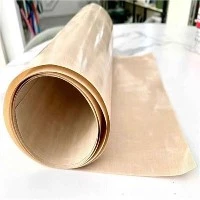
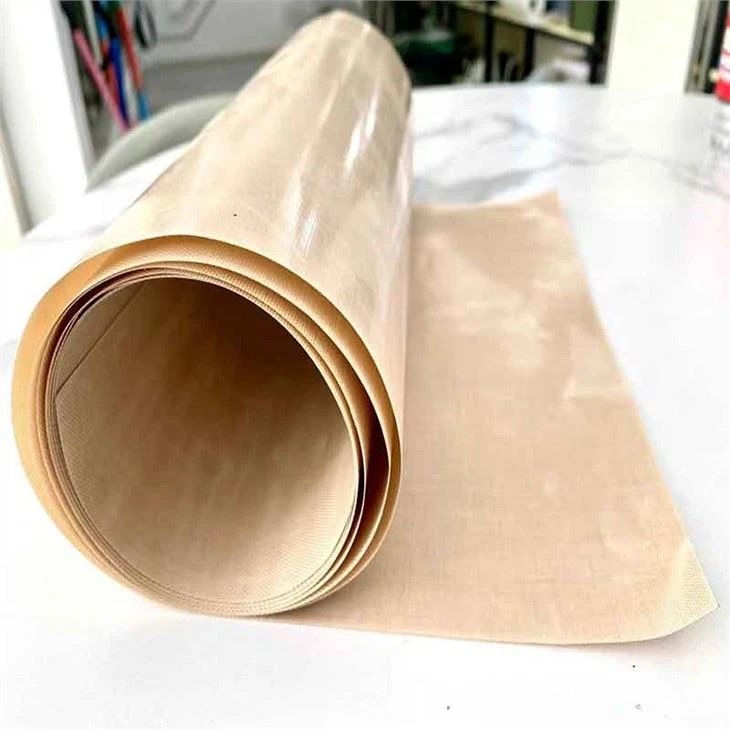
Now, here's where specific belt types come in, because not all pattern belts are created equal. If you're working in high-temperature environments-like industrial ovens or baking lines-you might have looked into specialized belts. We've got options like the Ptfe Conveyor Belt, which is non-stick and can handle temps up to 500°F, great for baking or curing processes. Wait, does PTFE make a good pattern belt? Yeah, you can mold fine patterns into it for light grip, but keep in mind it's less elastic than rubber, so heavy cleats might require extra reinforcement. Then there's the Silicon Conveyor Belt, which is more flexible and durable for moderate high temps (up to 450°F) and has better tear resistance than PTFE for heavier pattern applications. Oh, and if you're in food processing, you might also check out the Stainless Steel Wire Belt-some manufacturers make pattern versions of these too, since wire has incredible tear and tensile strength, perfect for heavy industrial loads or high-heat drying. Wait, quick side note: a lot of people confuse silicone belts with silicone seals, but if you ever need a custom seal for your oven, we've got Silicone Oven Door Seal options too, though that's more for equipment than the conveyor itself.
Now, what affects tear resistance the most? Let's list the big ones we see every day:
- Pattern Size and Shape: Big, tall cleats are great for steep inclines, but they create more stress. A herringbone pattern, for example, has V-shaped ridges that meet at a point-those points are way more likely to be stress raisers than rounded cleats. We had a customer last month who switched from sharp V-cleats to rounded cleats on their potato processing line, and their tear-related downtime dropped by 30% in a month. Game changer.
- Reinforcement Layer: This is non-negotiable. A pattern belt without a proper woven core will tear way easier. When we manufacture our belts, we use double-woven polyester core that's bonded to the cover with a high-adhesion adhesive, so if a cleat does get snagged, the core holds the belt together instead of the cleat ripping a hole all the way through.
- Material Choice: Like I mentioned earlier, PVC is cheap, but it's prone to cracking in cold temps and has lower tear resistance than TPU or rubber. For heavy-duty use, we recommend TPU covers because they're abrasion-resistant and have 2x the tear strength of PVC. If you need high temp, go with the High Temperature Silicone Conveyor Belt-it's flexible even at 400°F, so it doesn't stiffen up and crack when bending.
- Edge Treatment: Belts that are cut and left raw will fray, and frayed edges lead to tears that spread along the length of the belt. We heat-seal or bevel the edges of all our pattern belts, which stops tears from turning into full-length splits. You'd be surprised how many people skip this step to save a couple bucks, and then they're replacing their belt every few months instead of every year.
Wait, let's talk about real-world test cases, because lab numbers are fine, but what actually works? A while back, we had a customer in automotive parts manufacturing-they were moving 150 lb metal brackets up a 15° incline using a cleated pattern belt. Initially, they went with a cheap PVC pattern belt, and within 2 weeks, they had 12 tears, mostly at the cleat bases. We swapped them for our TPU-reinforced cleated belt, and they haven't had a tear in 6 months. Why? The cleat bases were rounded, the core was woven high-tensile polyester, and the cover was TPU, which can absorb impact from heavy parts way better than PVC. On the flip side, a bakery customer was moving soft, flaky pastries with a small herringbone PTFE pattern belt-they had no issues because the load was light, and PTFE's non-stick surface made cleaning way easier, even if it's not the best for heavy loads.
Common myths we hear all the time: "All rubber belts have the same tear resistance." No way. Natural rubber is more flexible but has lower tear strength than neoprene, which is better for oily environments. "Thicker belt = higher tear resistance." Not exactly-thickness helps, but the quality of the core and the pattern design matter more. A thin TPU belt with a good woven core will outlast a thick PVC belt with no reinforcement.
Another thing: tear resistance isn't just about static pulls. It's about dynamic stress-how the belt bends over pulleys, how it's tugged when material slides, how it's cleaned. If you're pressure-washing your conveyor (super common in food processing), high-pressure water can erode the edges of the belt, leading to stress points that cause tears. We make our pattern belts with a water-resistant adhesive that keeps the core from getting soaked, which prevents that kind of degradation.
So, what should you look for when shopping for a pattern conveyor belt with good tear resistance? First, ask about the reinforcement core. Don't take "it's reinforced" for granted-ask what material it is, how many plies, and how the core is bonded to the cover. Second, think about your pattern: do you really need tall cleats, or would shorter, rounded ones work? Adjusting the pattern can save you from so many tears. Third, match the cover material to your environment: if it's cold, don't use PVC; if it's high temp, don't use silicone. Wait, for high-temp baking, the Ptfe Conveyor Belt is great, but if you need more grip than PTFE can give, our High Temperature Silicone Conveyor Belt is a better pick because you can mold smaller, sturdier patterns into it without risking tear points.
Oh, and one last tip from the trenches: test your belt. Don't just take the supplier's word for it. If you're ordering a large belt, ask for a sample to run a quick test: pull on the pattern with a pair of pliers, tug it, bend it over a metal bar a few times. If the pattern pulls away or the cover cracks in the sample, it's not going to work for your line. We always send free small samples because we know how important that is-you don't want to shut down your whole operation waiting for a belt that's going to tear in a week.
Now, if you're tired of dealing with frequent tearouts on your pattern conveyor belt, we've got you covered. We don't just sell belts-we build them based on what your specific operation needs, whether you're moving heavy metal parts, delicate baked goods, or wet produce. We can customize pattern size, material, core reinforcement, and edge treatment to minimize tear risk and maximize uptime. No one wants to be the person who's called in at 2 a.m. to fix a torn conveyor, right?
So hit us up if you want to chat through your needs, ask more questions about belt materials like the Stainless Steel Wire Belt or Silicone Conveyor Belt, or get a free sample. We're here to help you stop wasting time and money on belts that tear too easily.